

INTRODUCTION
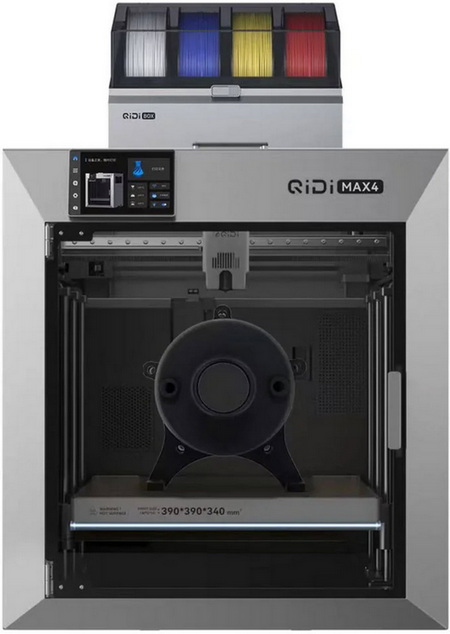
Over the past decade, 3D printing has evolved from a niche prototyping tool into a cornerstone of modern manufacturing. What began as slow, single‑material experimentation has matured into a field defined by precision, speed, and versatility. Today’s 3D printers can handle multiple filaments, complex geometries, and even color transitions with remarkable accuracy, a testament to how far additive technology has come. Standing at the forefront of this evolution is the brand new QIDI Max 4 Combo, a system built to merge industrial capability with desktop accessibility.
Our story formed in 2014, QIDI Tech began with a small team of engineers with a big vision: we wanted to make 3D printing accessible to everyone. Crazy? A little bit. With our journey have consistently focused on more than just producing machinery; it's about enabling creators of all kinds to bring their ideas to life. Every day, we're doing more than just constructing printers. We are establishing an environment where seasoned designers and adventurous individuals can join forces, work together, realize ideas, and develop. QIDI Tech 3D printers are created to be intuitive and efficient, after all, delivering a hassle free printing process for all users from the beginning should be the top priority. Our extensive manufacturing plant and advanced research and development center embody our commitment to creativity, excellence, and teamwork.
The Max 4 Combo by QIDI is built around a rigid CoreXY architecture designed for high‑speed stability, pairing FOC closed‑loop stepper motors with high‑hardness linear guides and 12mm steel shafts to maintain precision even at accelerations up to 30000mm/s² and print speeds reaching 800mm/s. Its 370°C high‑temperature hotend and 65°C actively heated chamber open the door to engineering materials like PA, PC, ASA, and carbon‑fiber composites, while the hands‑free load‑cell leveling system ensures consistent first‑layer accuracy across the large 390x390x340mm build volume. Cooling is handled through a multi‑stage system with PWM‑controlled fans and RPM feedback, and the Polar Cooler extruder cooler adds a dedicated high‑flow channel for long, heat‑intensive prints. With AI camera monitoring, input shaping, power‑loss recovery, and compatibility with the QIDI BOX for automated multi‑color printing, the Max 4 Combo positions itself as a high‑temp, high‑speed platform ready for demanding workflows.
SPECIFICATIONS AND FEATURES

PACKAGING AND CONTENTS
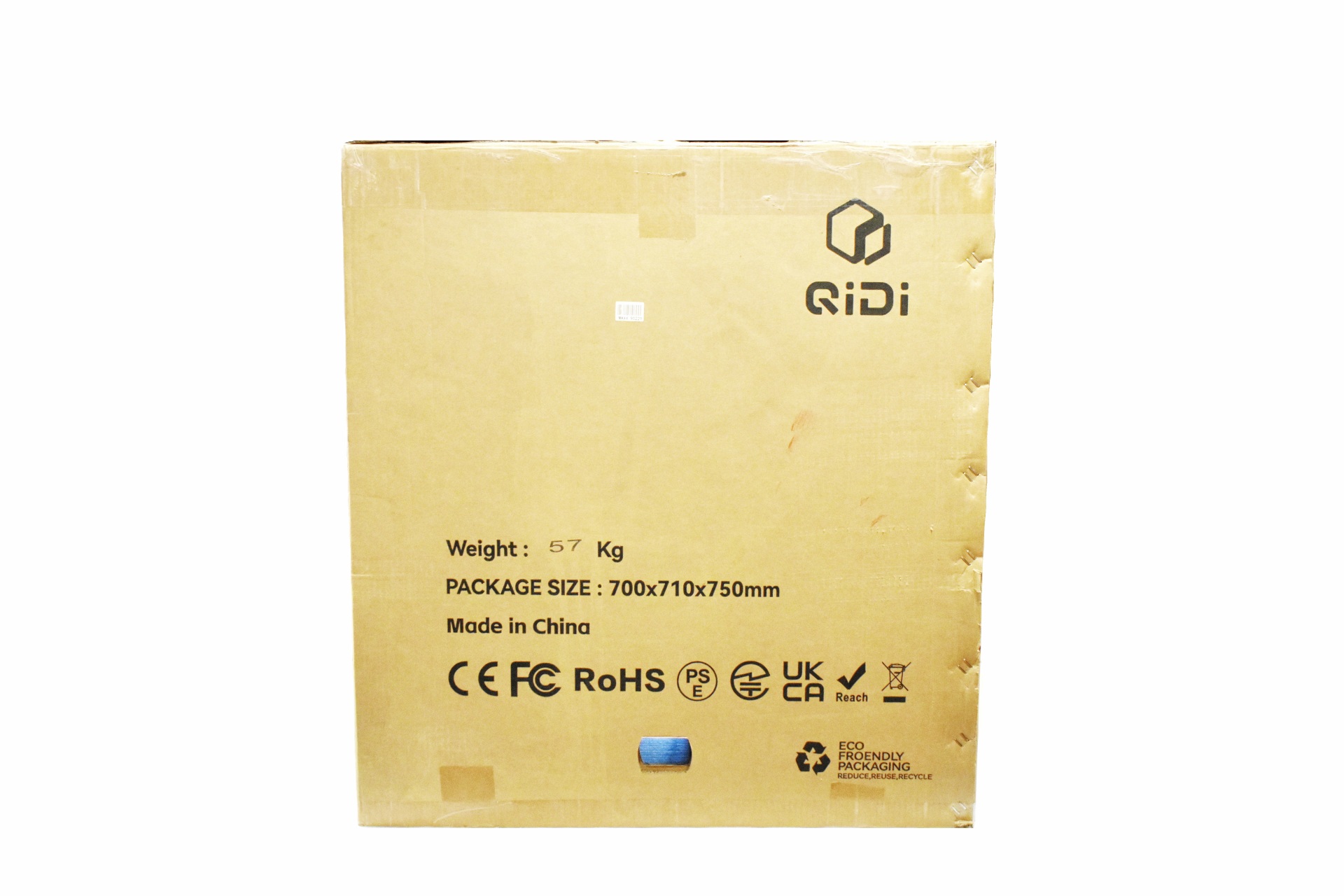
The Max 4 Combo arrived inside a very large box that just has the QIDI logo and the package measurements and size 57Kg.
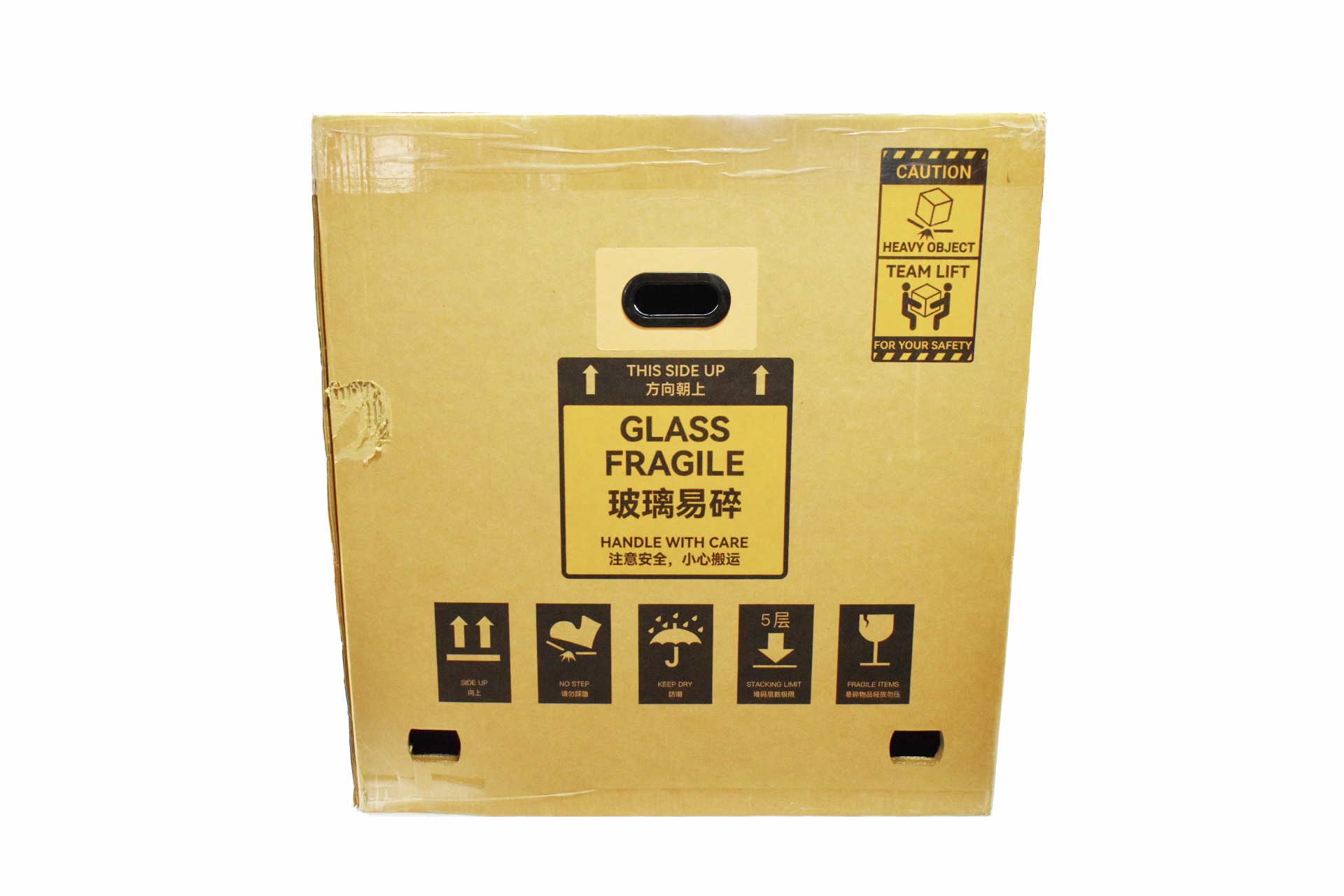
Aside the handles we also see several warnings on both sides.
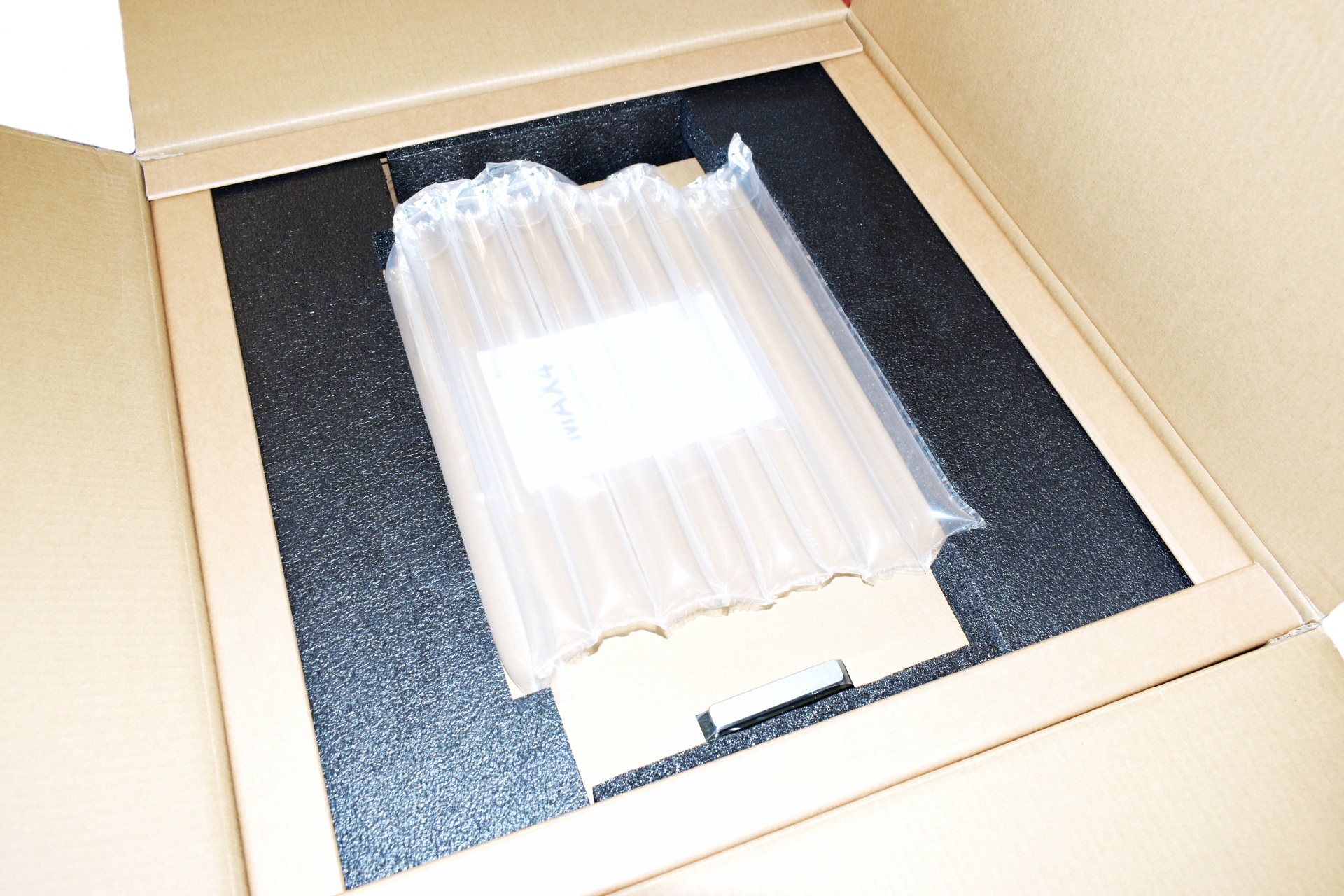
QIDI has used numerous pieces of foam, air bubble and compressed paper to secure the printer.
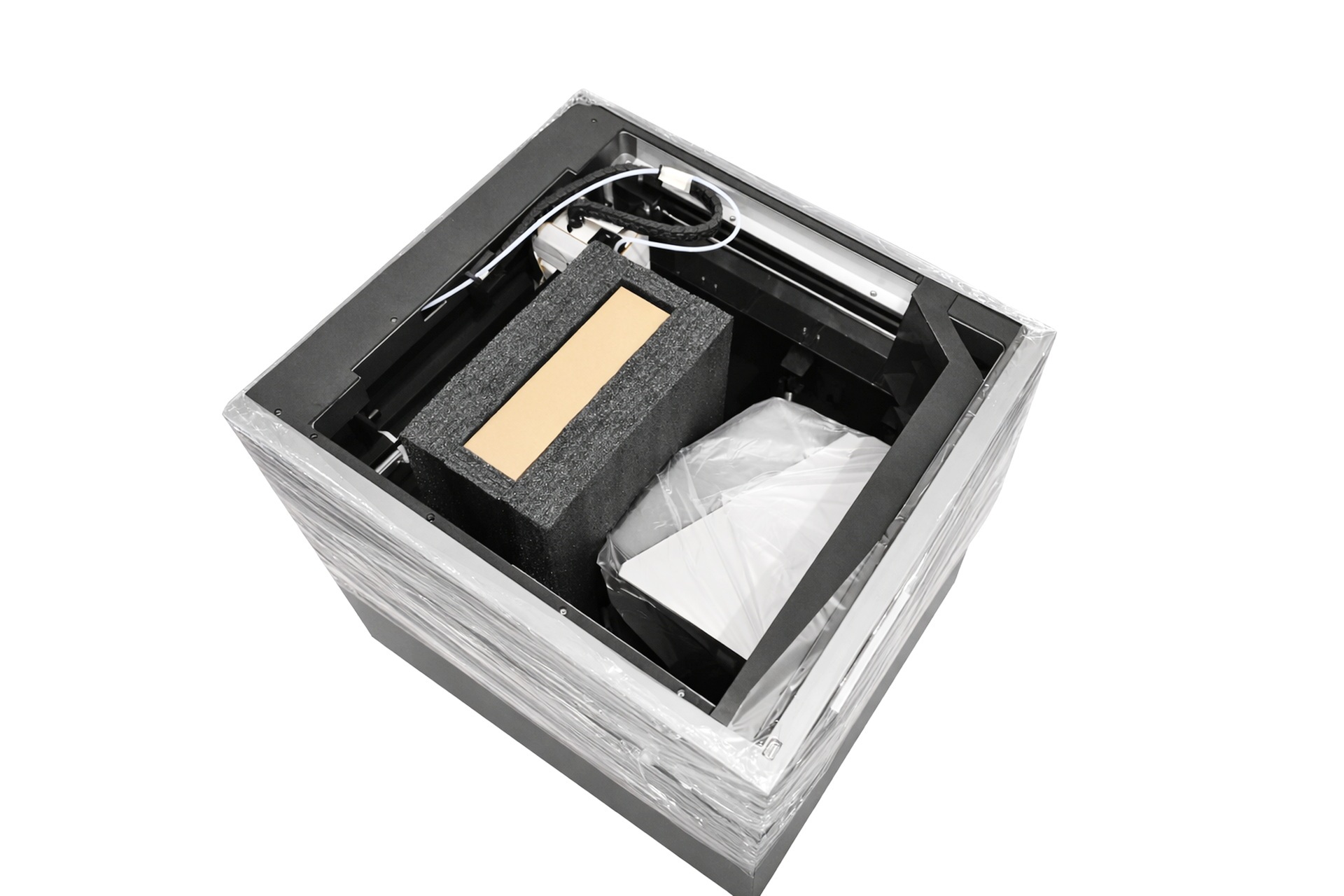
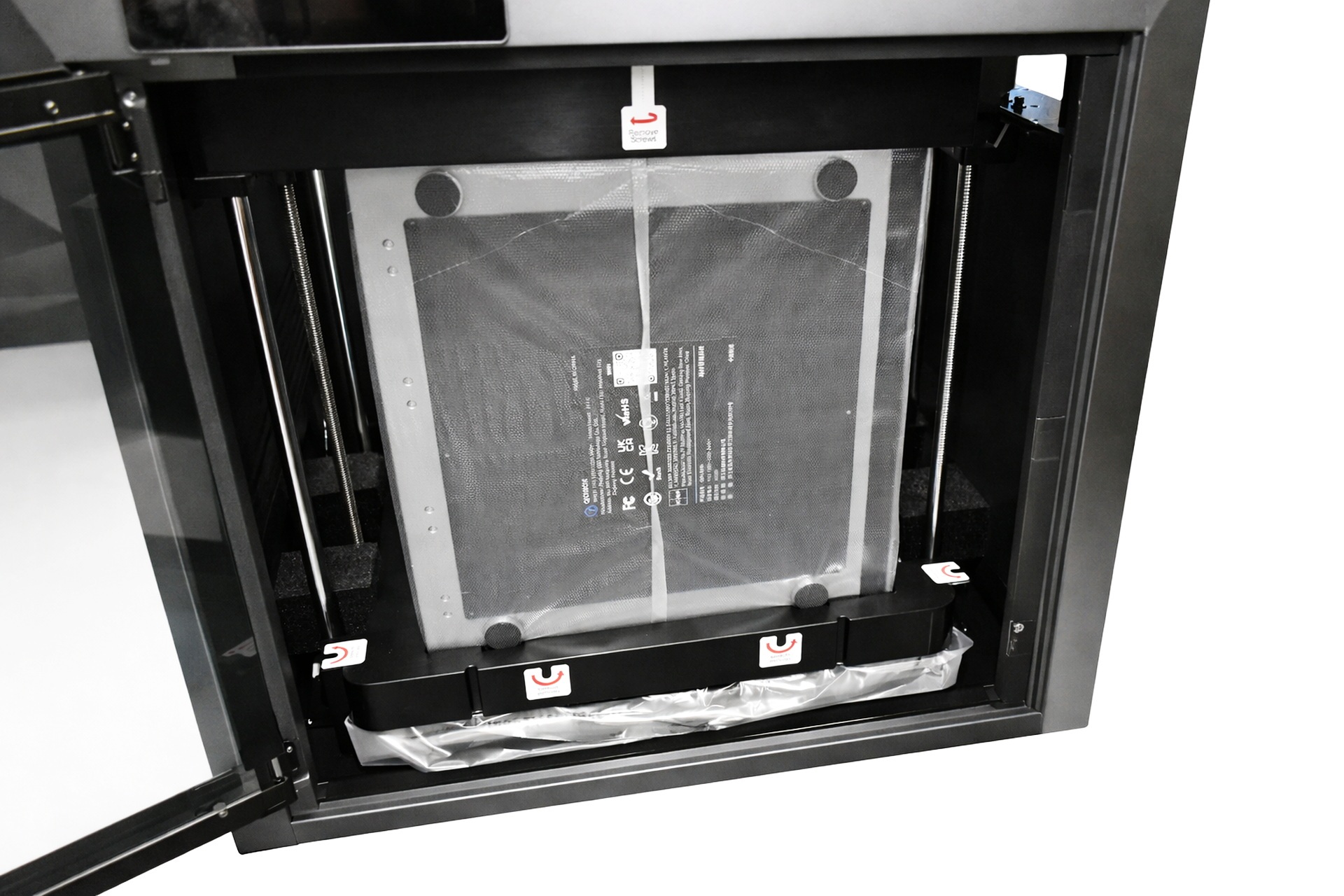
Almost the entire bundle is placed inside the printer.
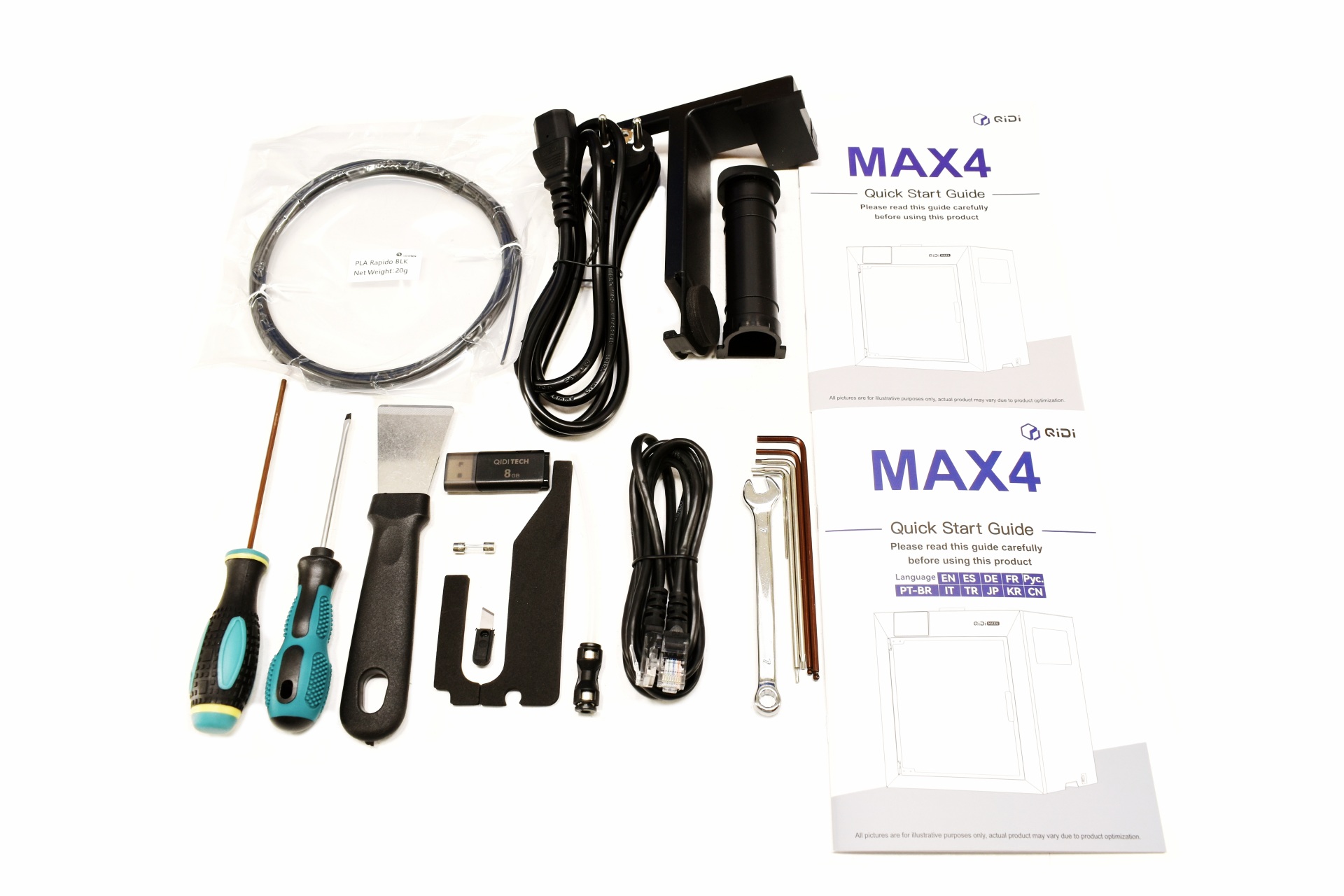
Aside the Max 4 3D printer and the combo multi-color device inside the box you'll also find a 2-piece filament spool holder, 7mm spanner, power cable, RJ45 ethernet cable, USB 2.0 flash drive, scraper, two screwdrivers (flat head and Torq), replacement nozzle cutter, 5 Alen keys, 20g PLA rapido package, replacement fuse, pneumatic head, and the quick start guide in numerous languages.
THE QIDI MAX 4 COMBO
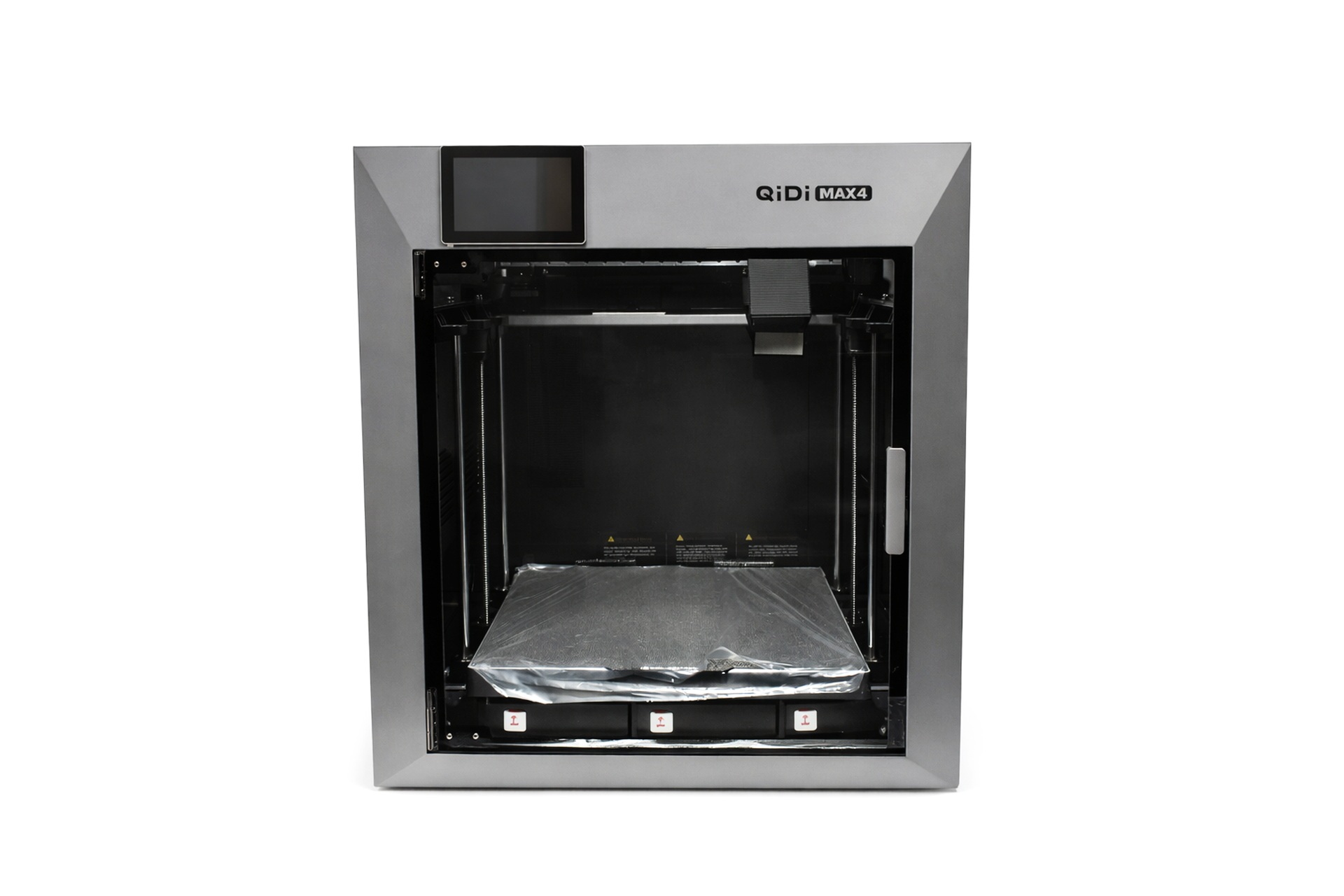
The 49.5kg heavy MAX 4 is a large 3D printer measuring 612mm in height, 558mm in depth and 578mm in width.
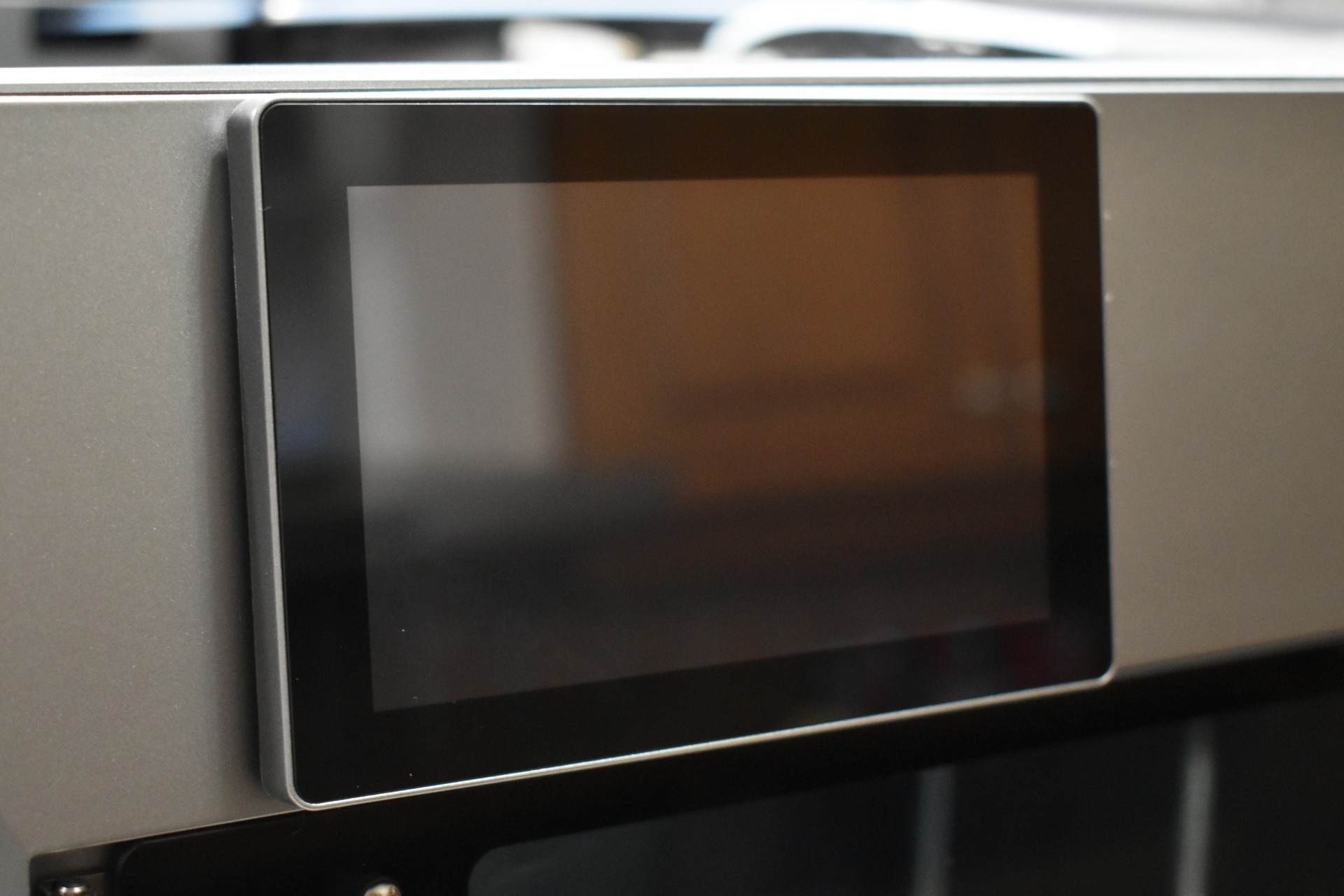
The 5-inch 800x480p touch screen located on the top left of the printer also features a tilt mechanism allowing the end user to slightly change its angle.
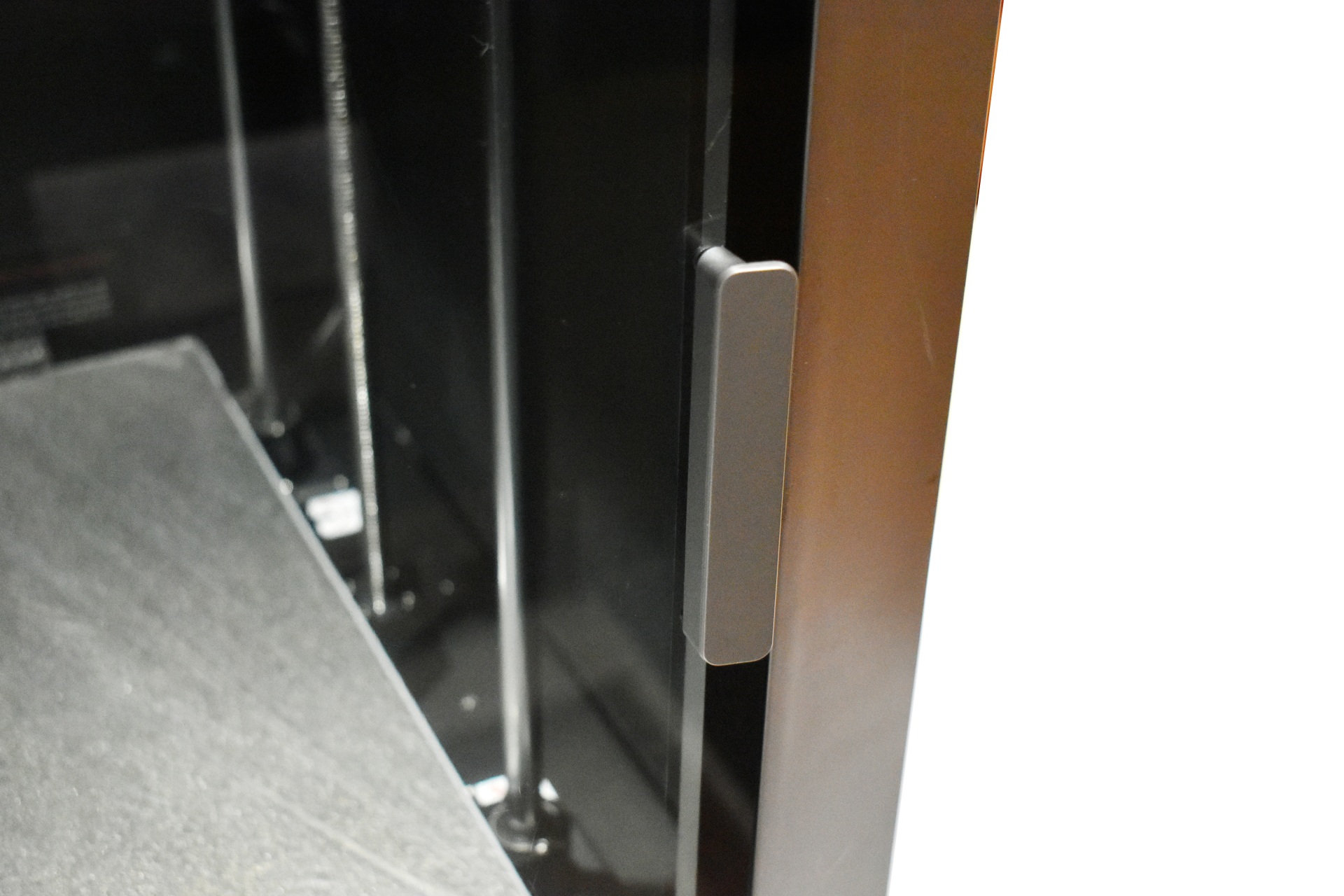
Unlike with previous models the door handle now comes pre-attached.
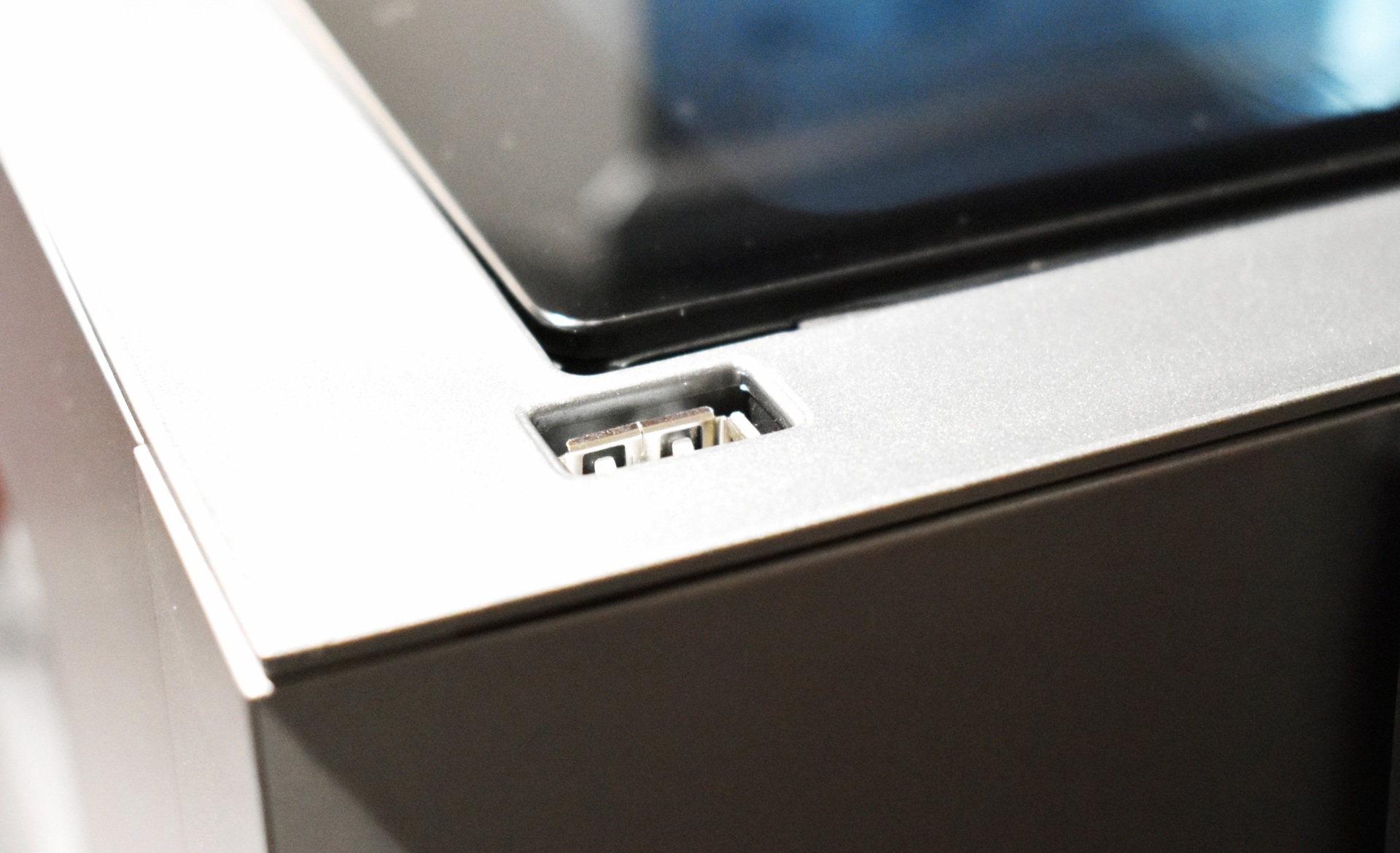
A USB-A port is located on top of the printer.
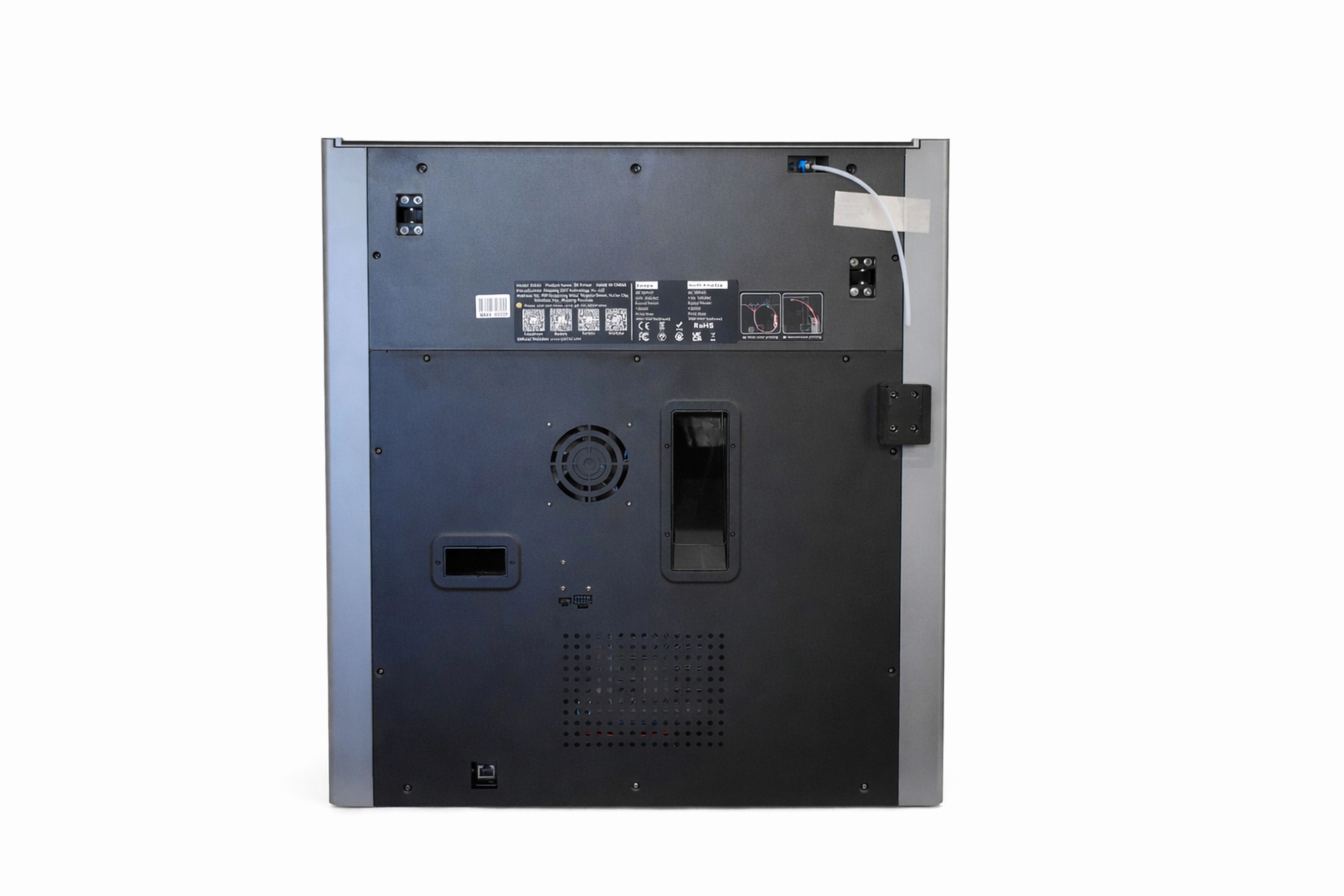
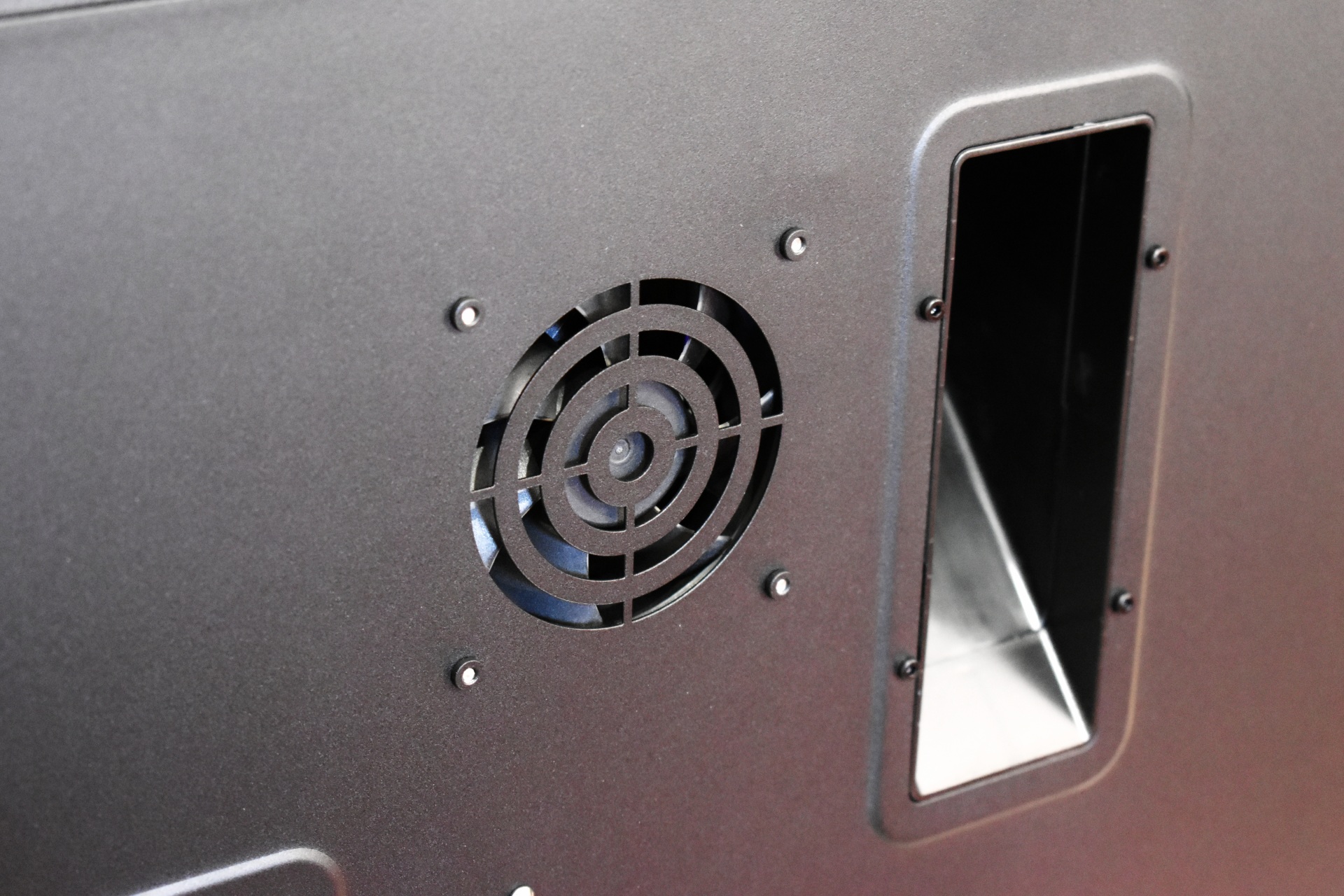
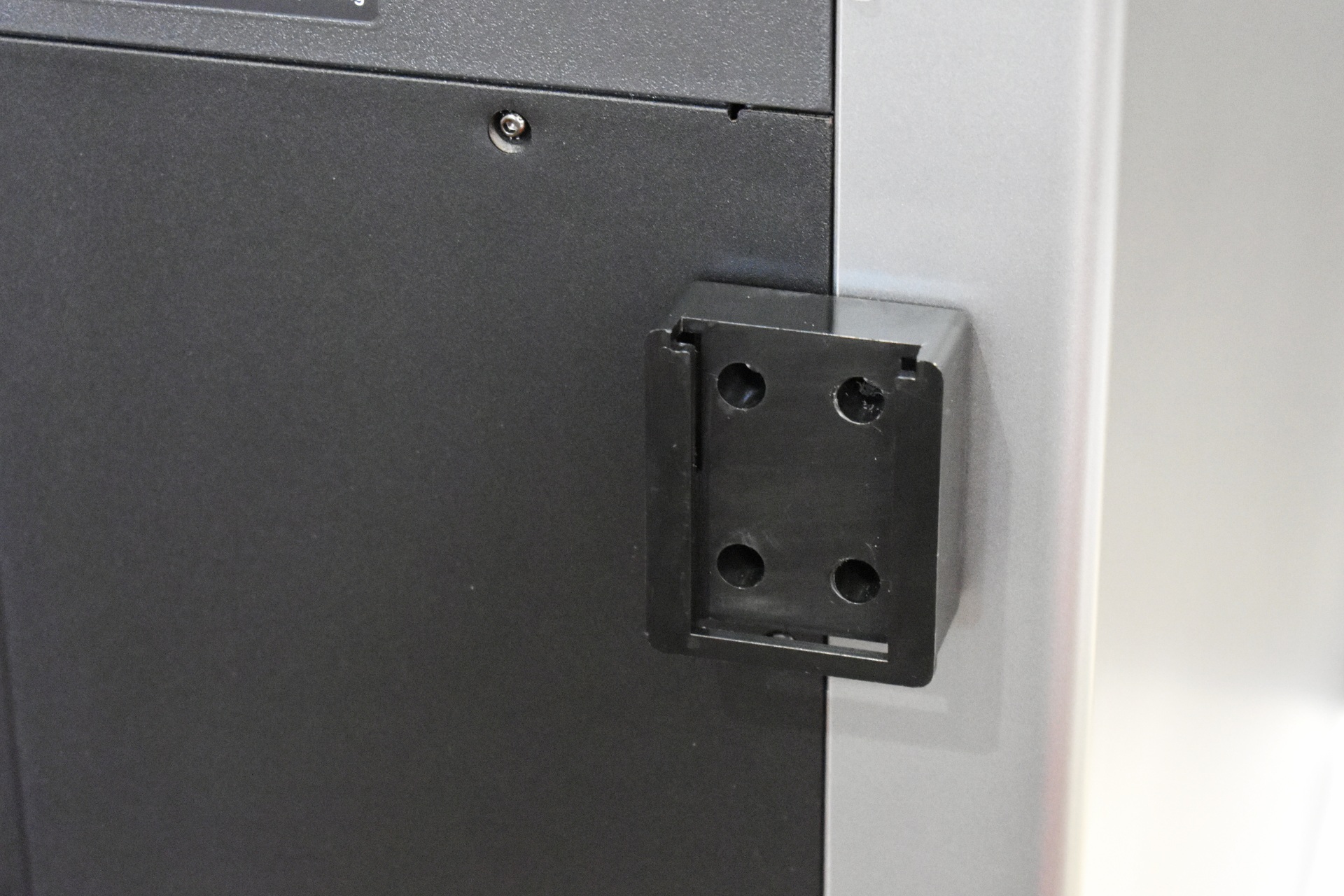
Turning the Max 4 3D printer around we see an intake fan, filament spool holder mount, RJ45 port, signal cable ports, and the filament exit.
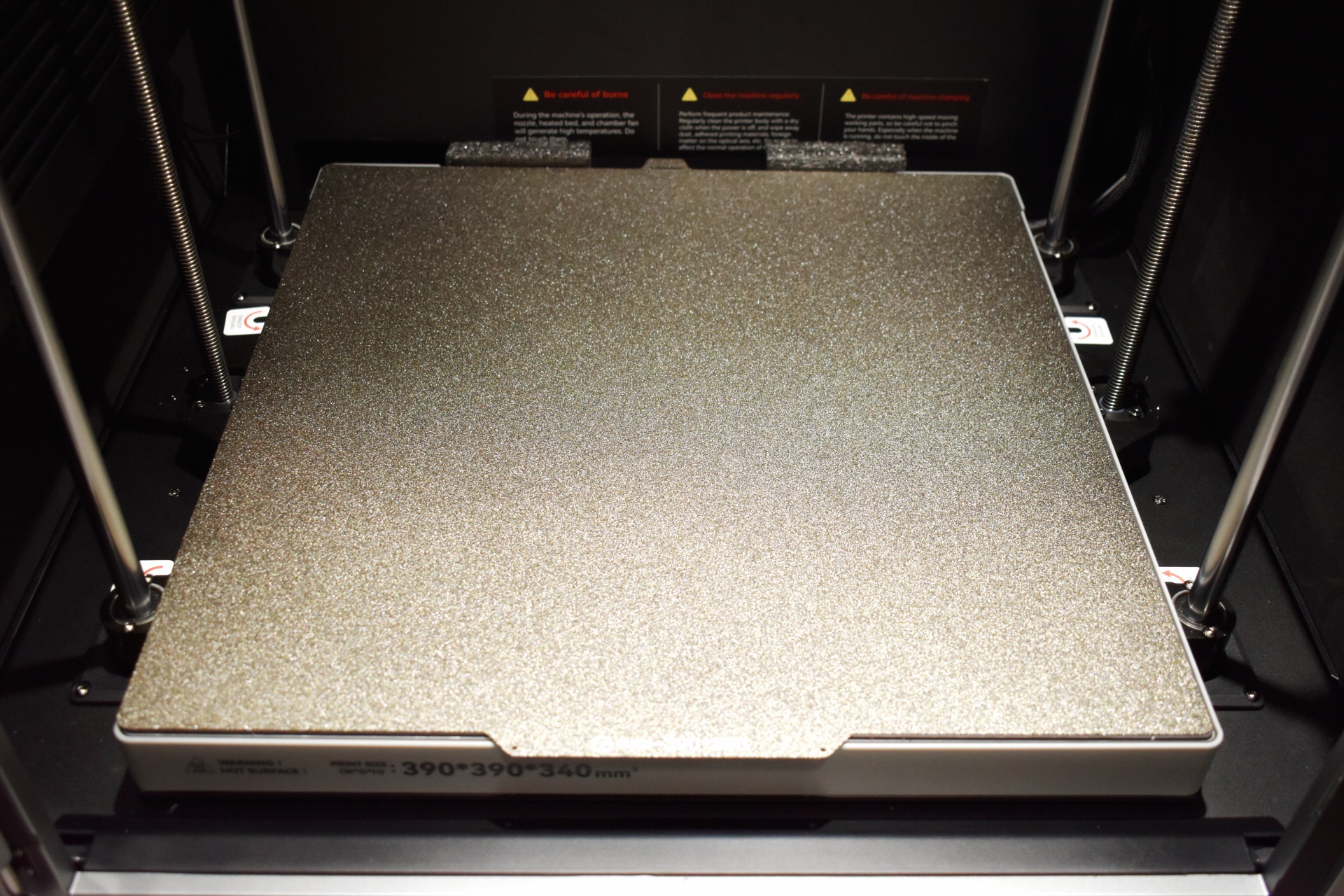
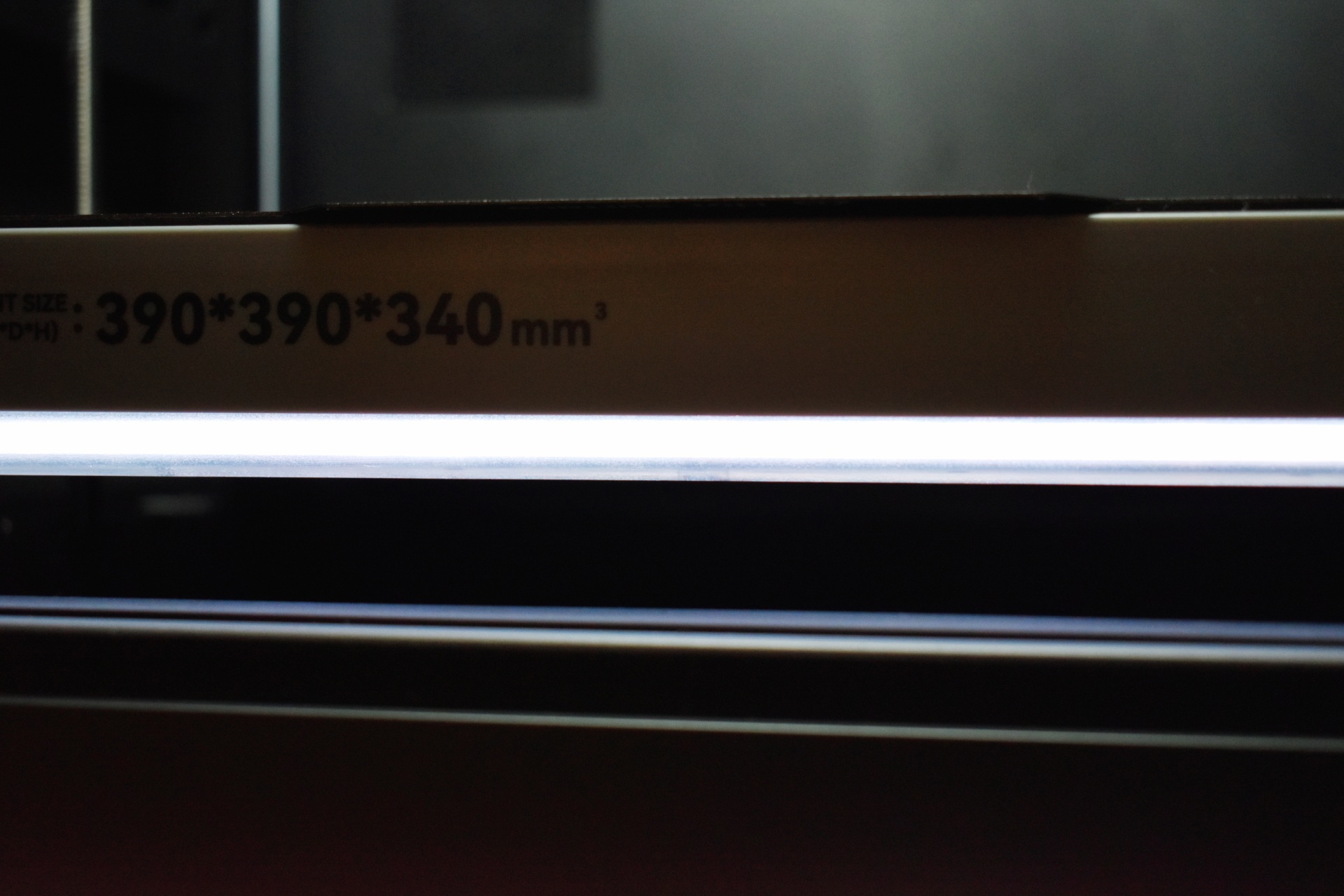
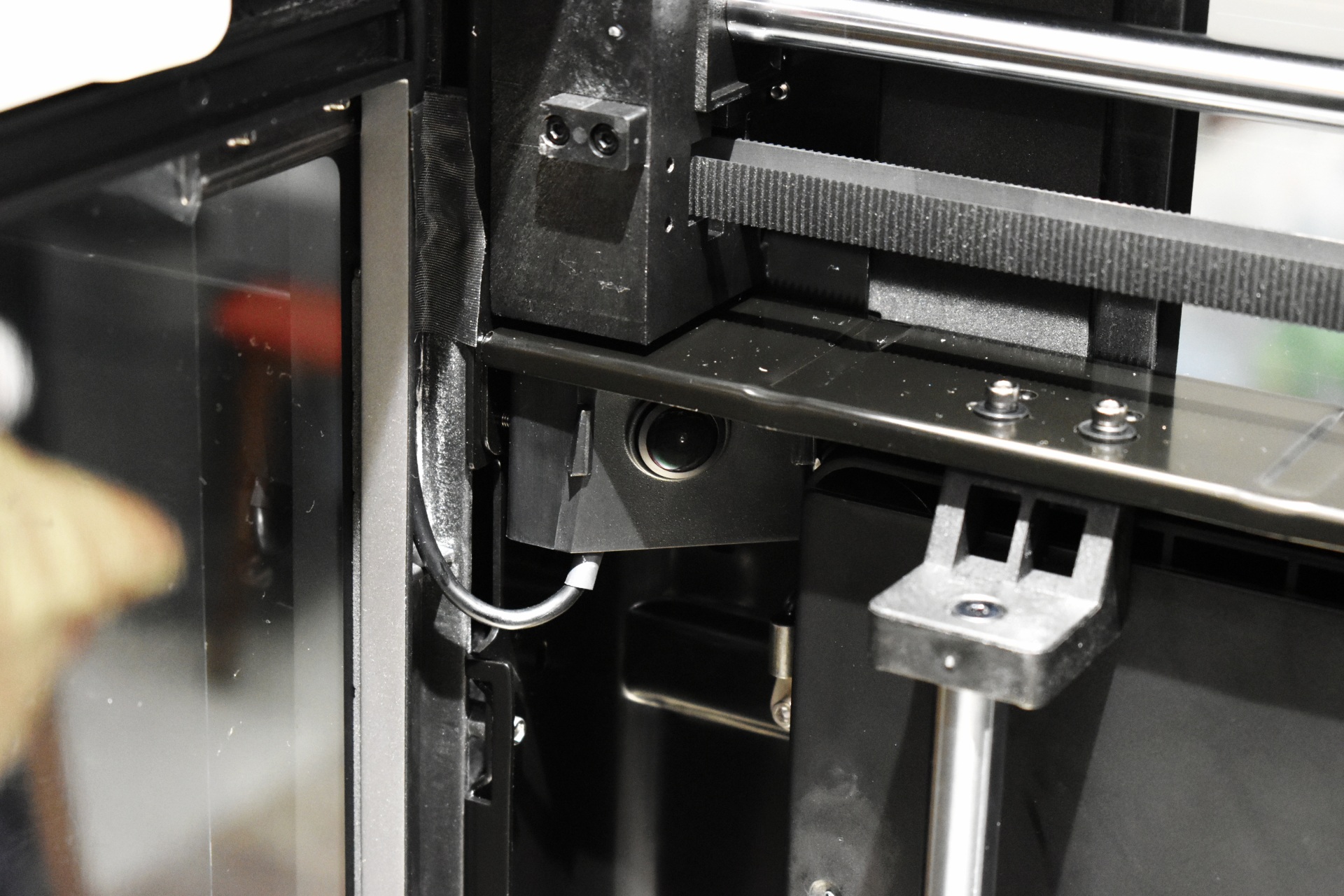
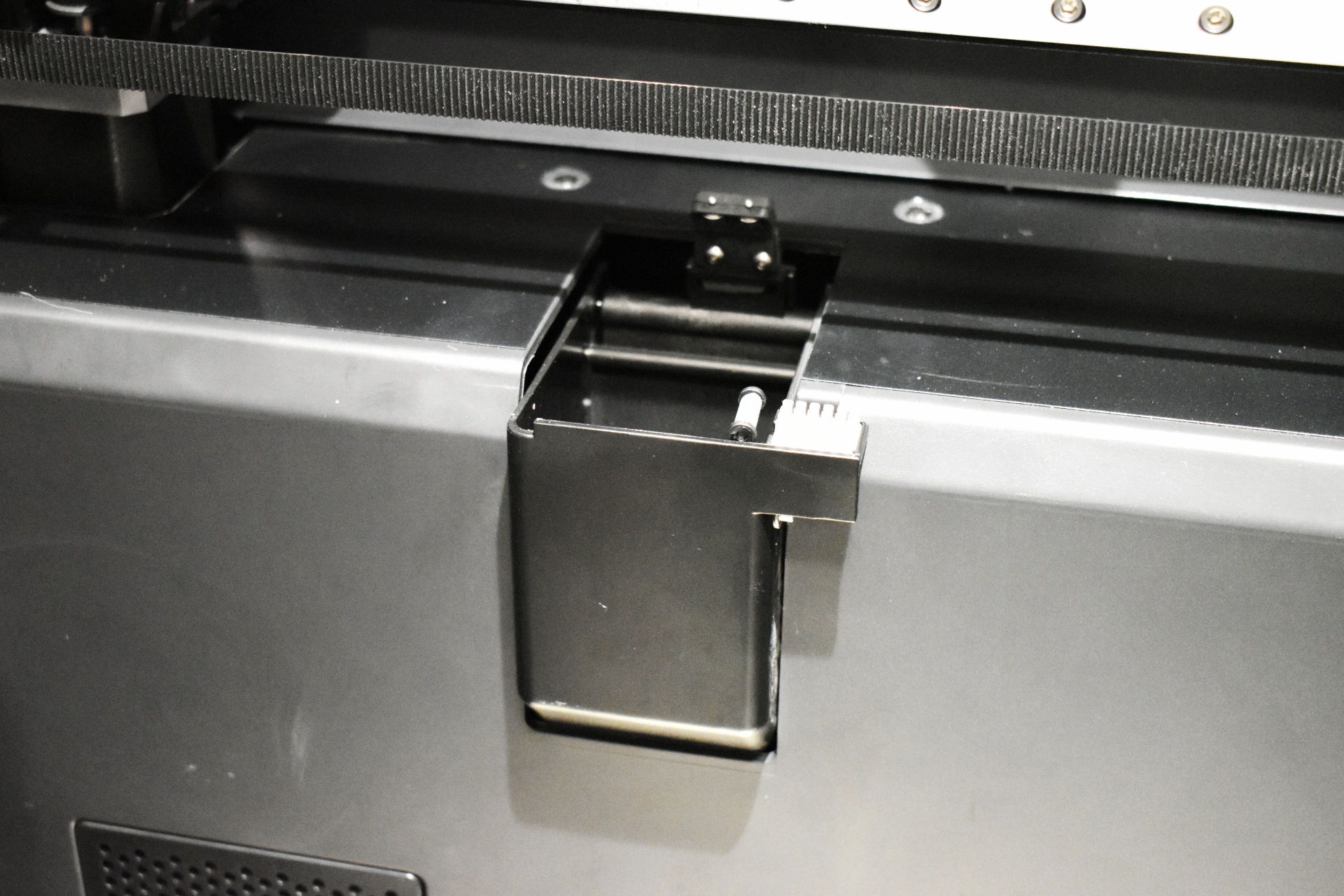
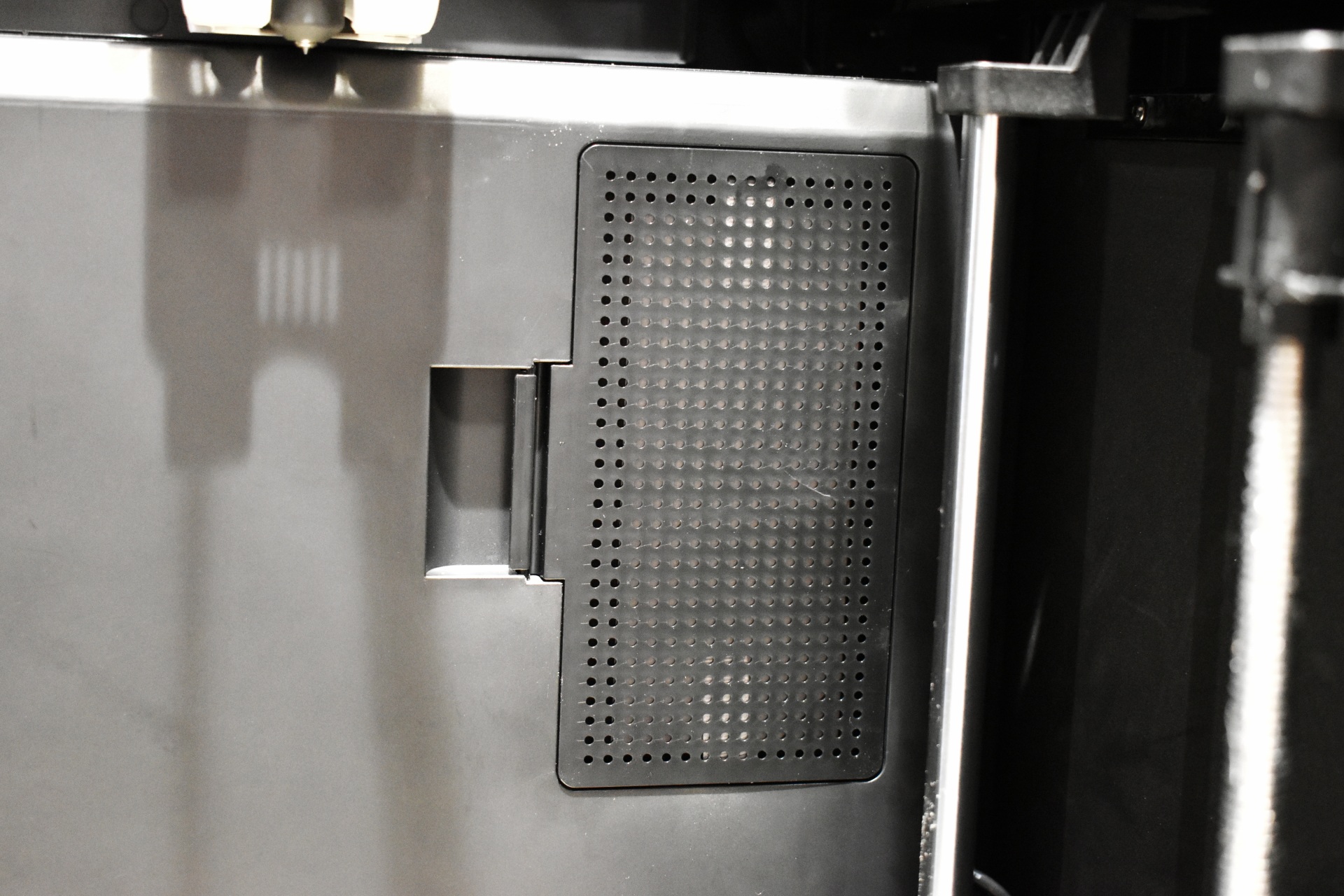
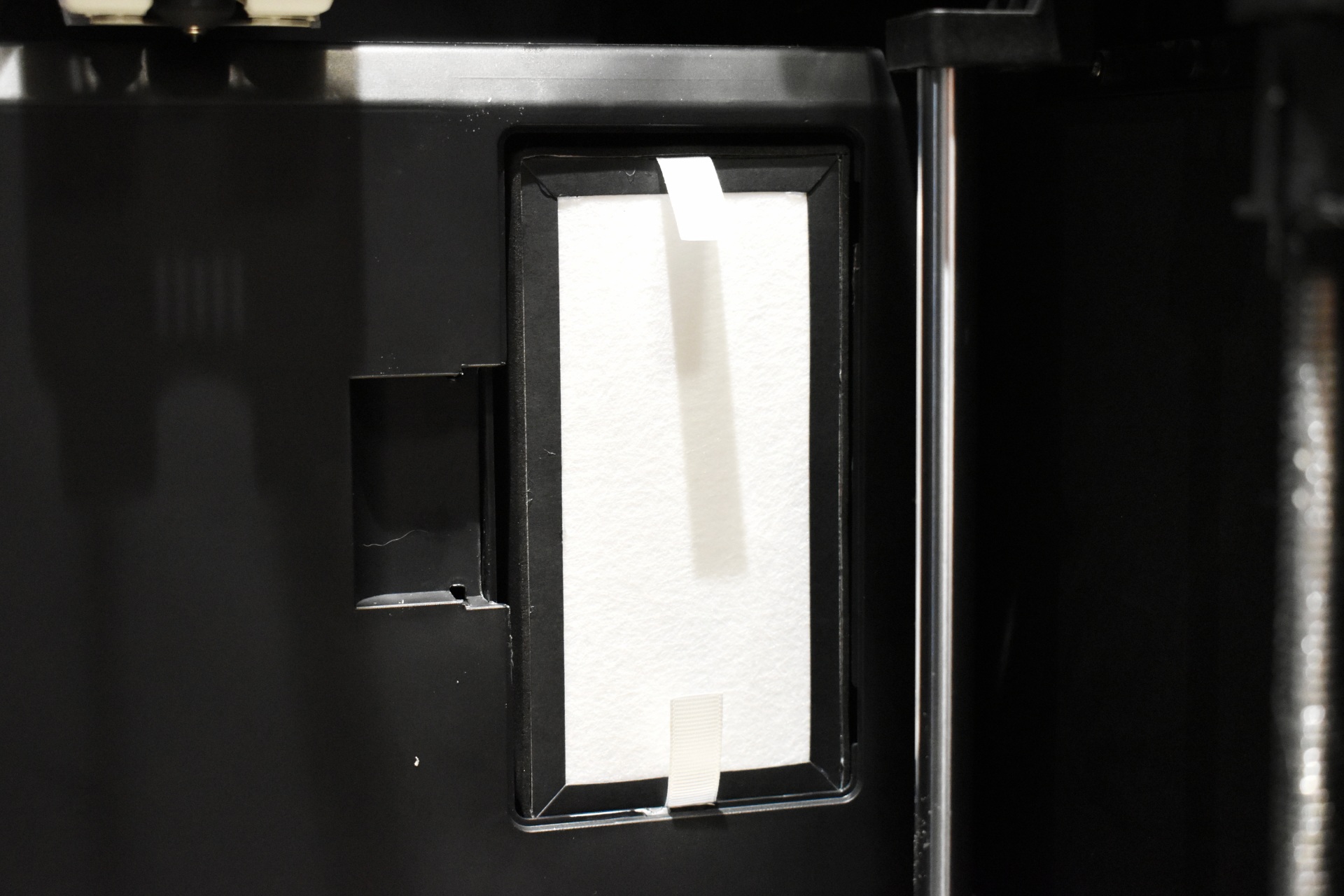
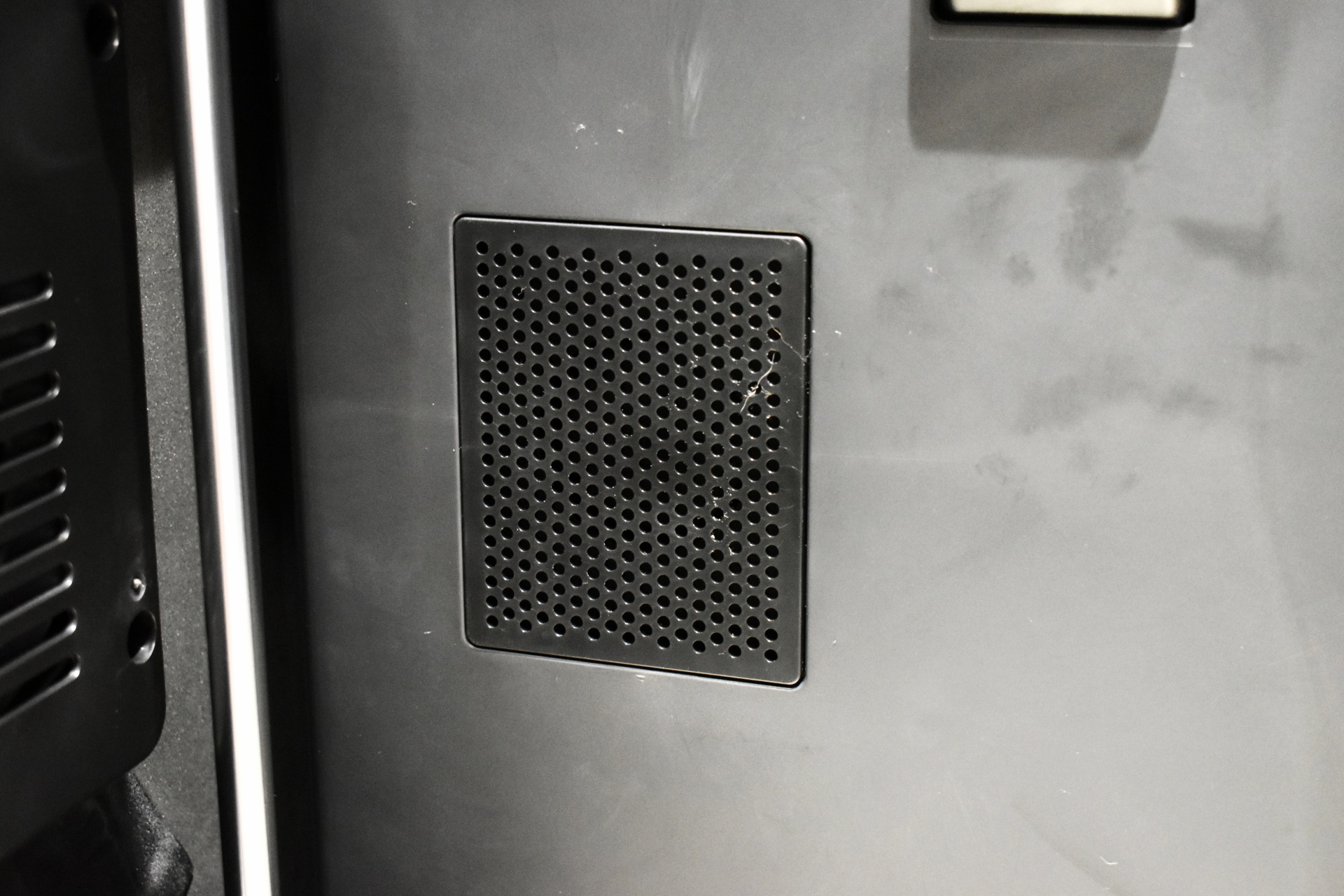
Taking a look inside we see the Dual-Sided textured PEI plate (390x390x340mm print size), LED activity bar, AI 1080p camera, filament residue cleaner, air-purifier compartment and the heater.
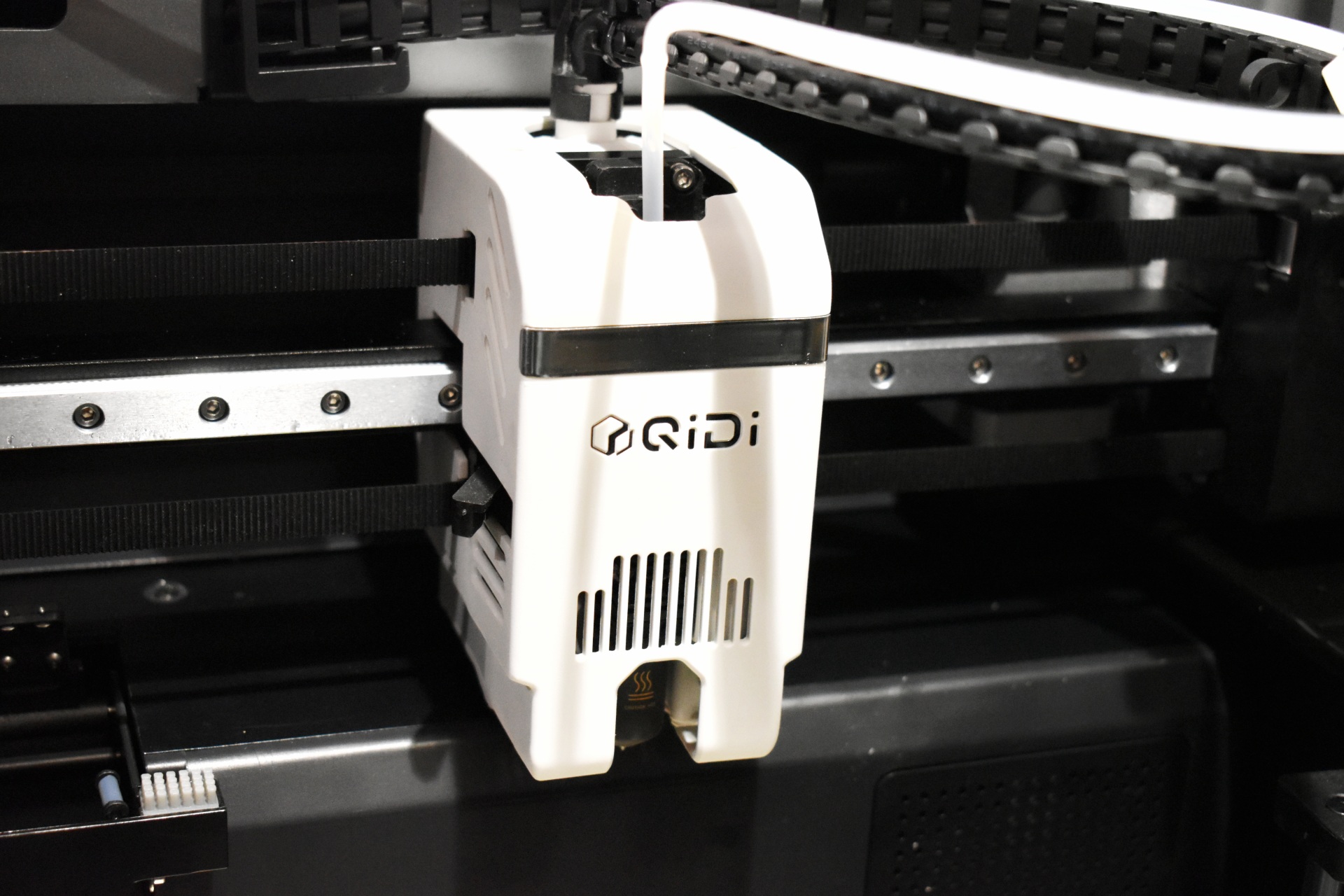
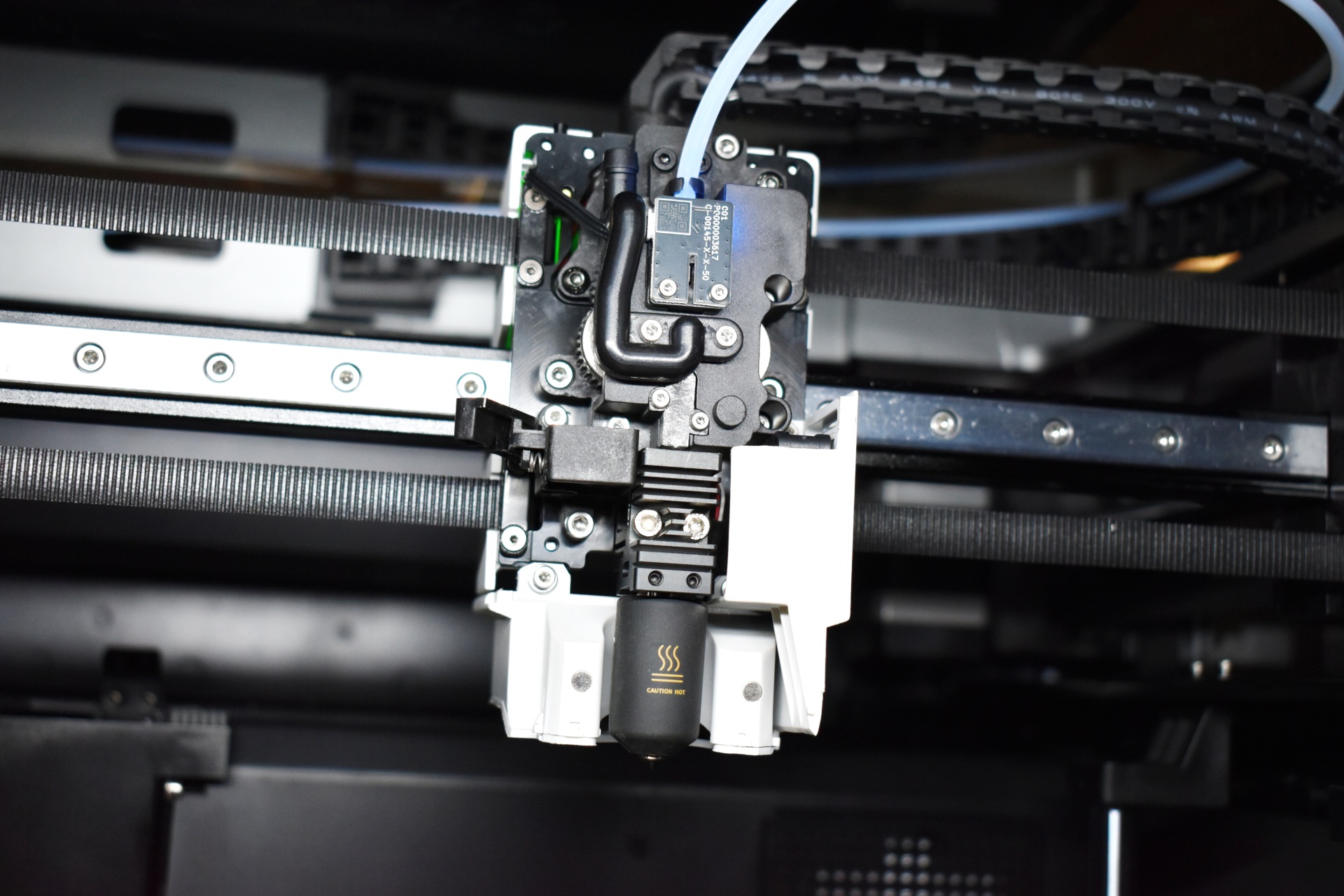
The direct drive extruder features a built-in run out sensor and a cold air tube intake (to cool the extruder and filament) and as you can all see is very easy to take apart.
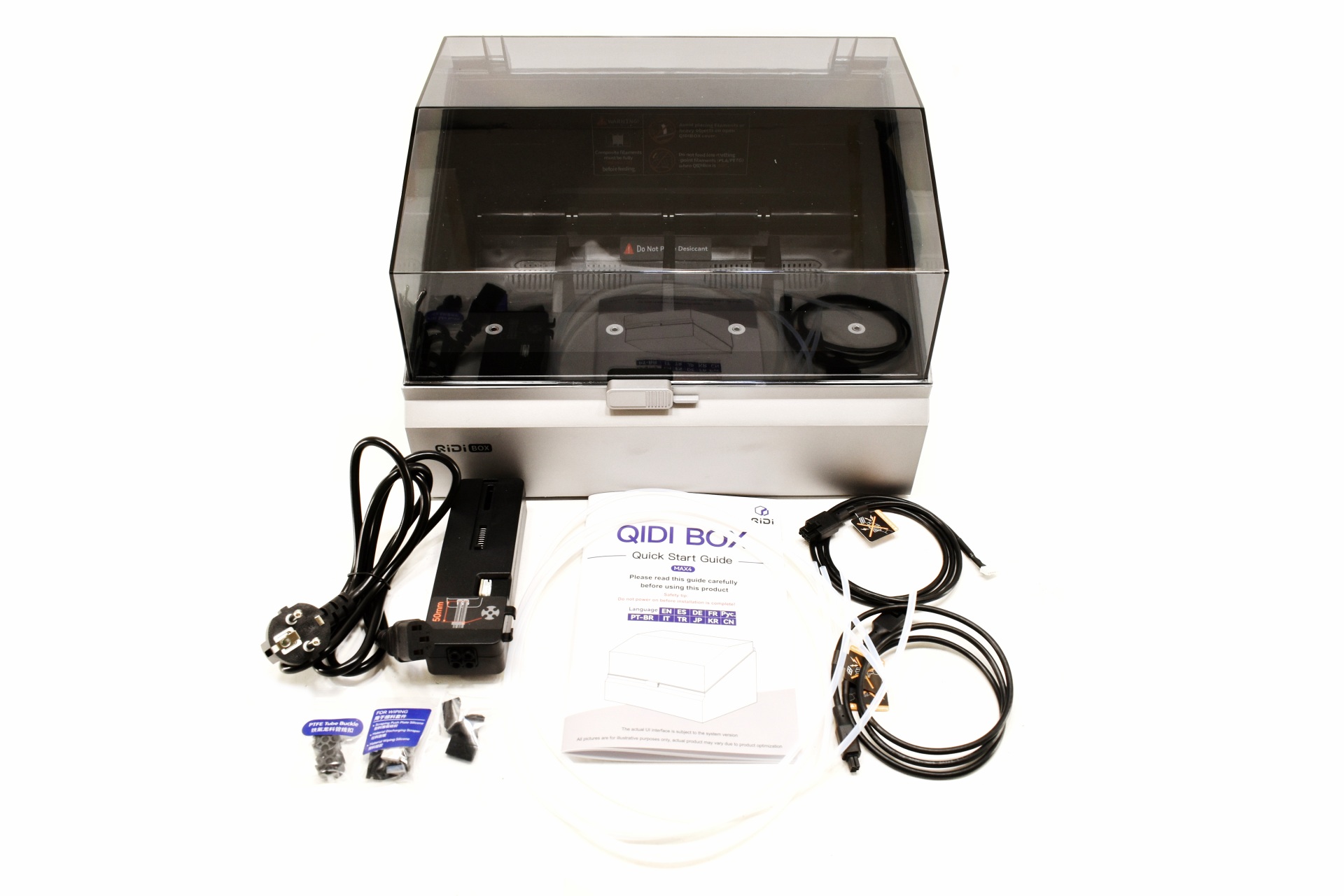
QIDI bundles their box with its power cable, multi-color spool hub, five PTFE tubes, two signal cables, two PTFE tube buckles and the quick start guide.
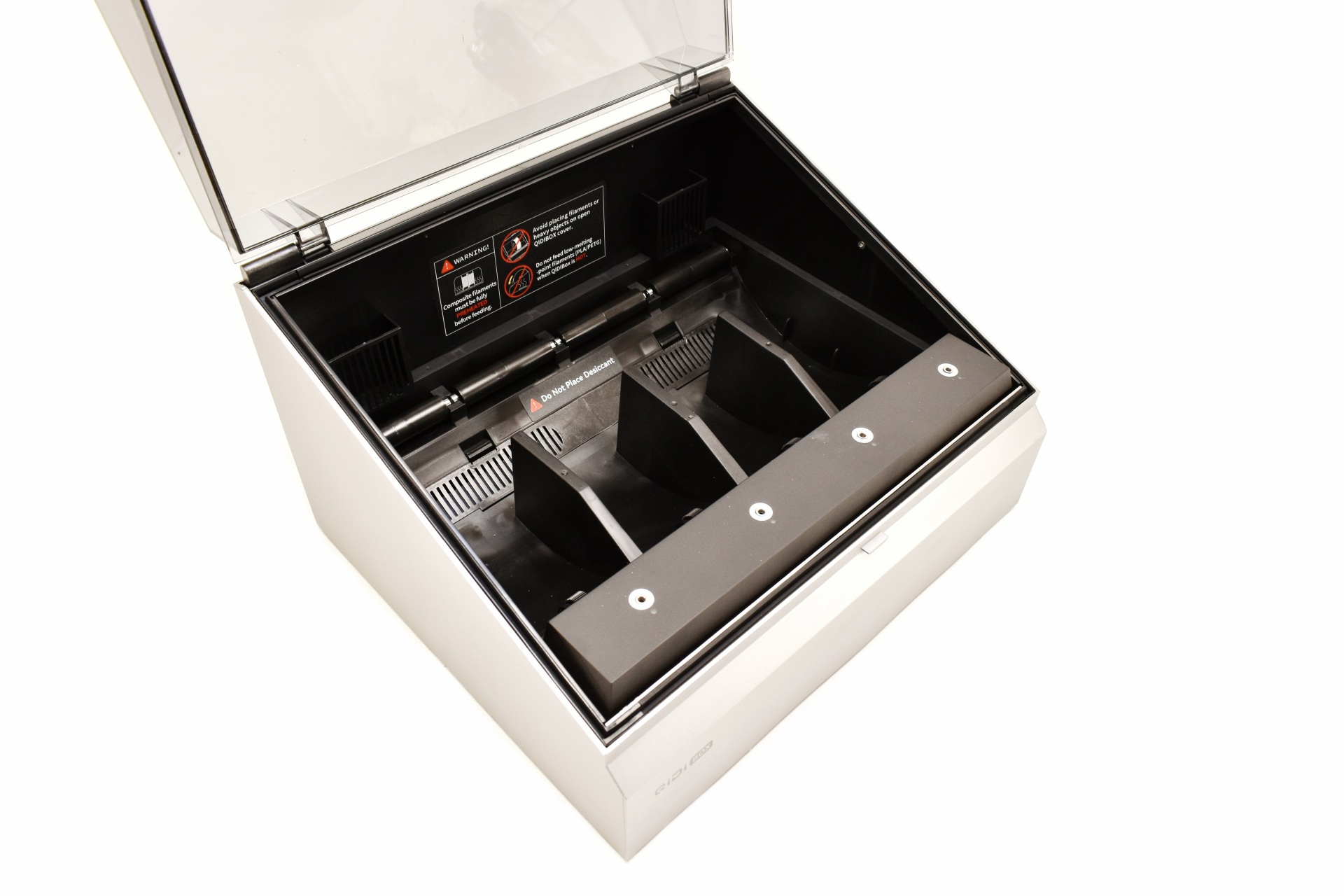
The QIDI box measures 357mm in width, 300mm in depth and 234mm in height.
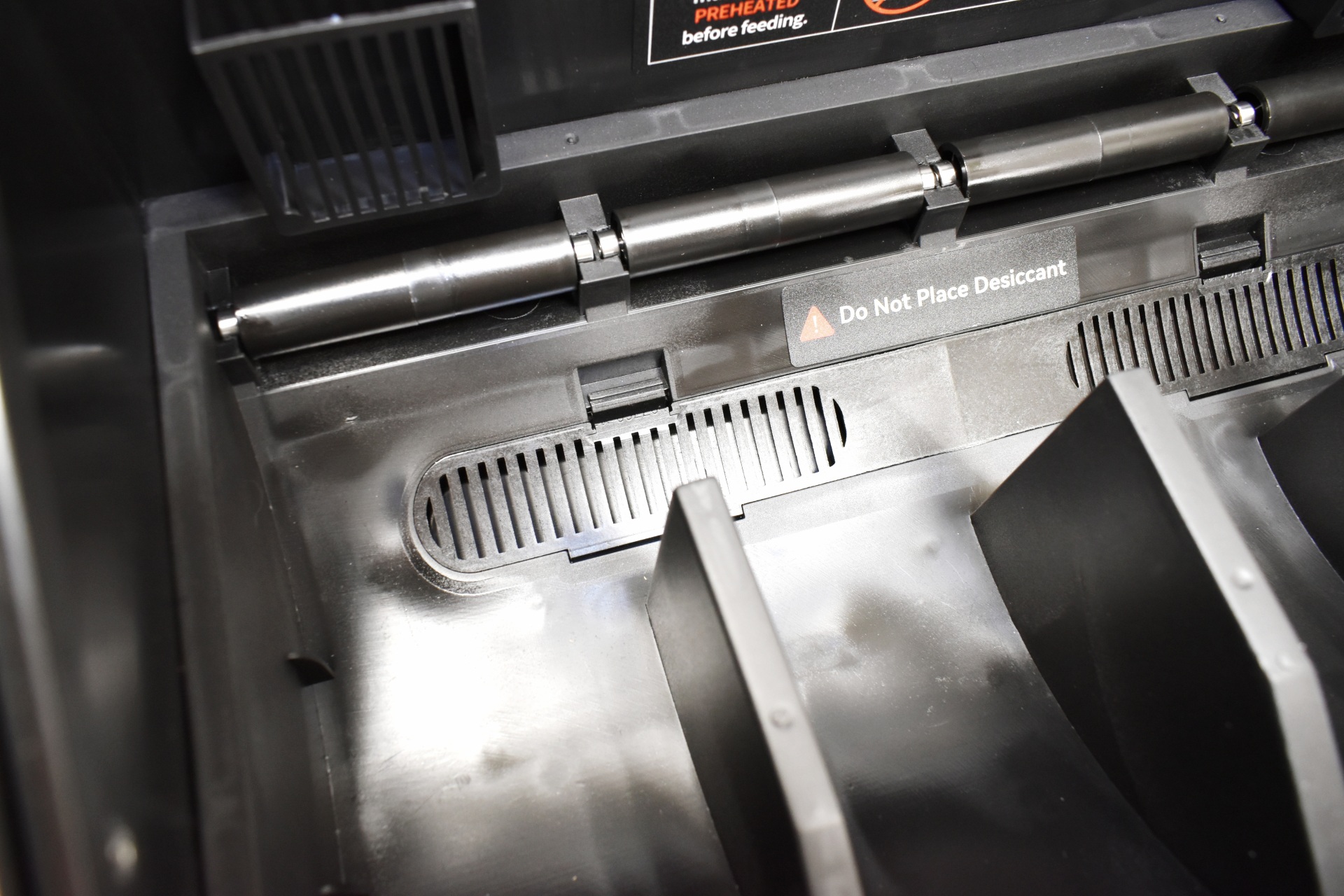
Inside the QIDI box has 4 compartments and a 65°C drying heater.
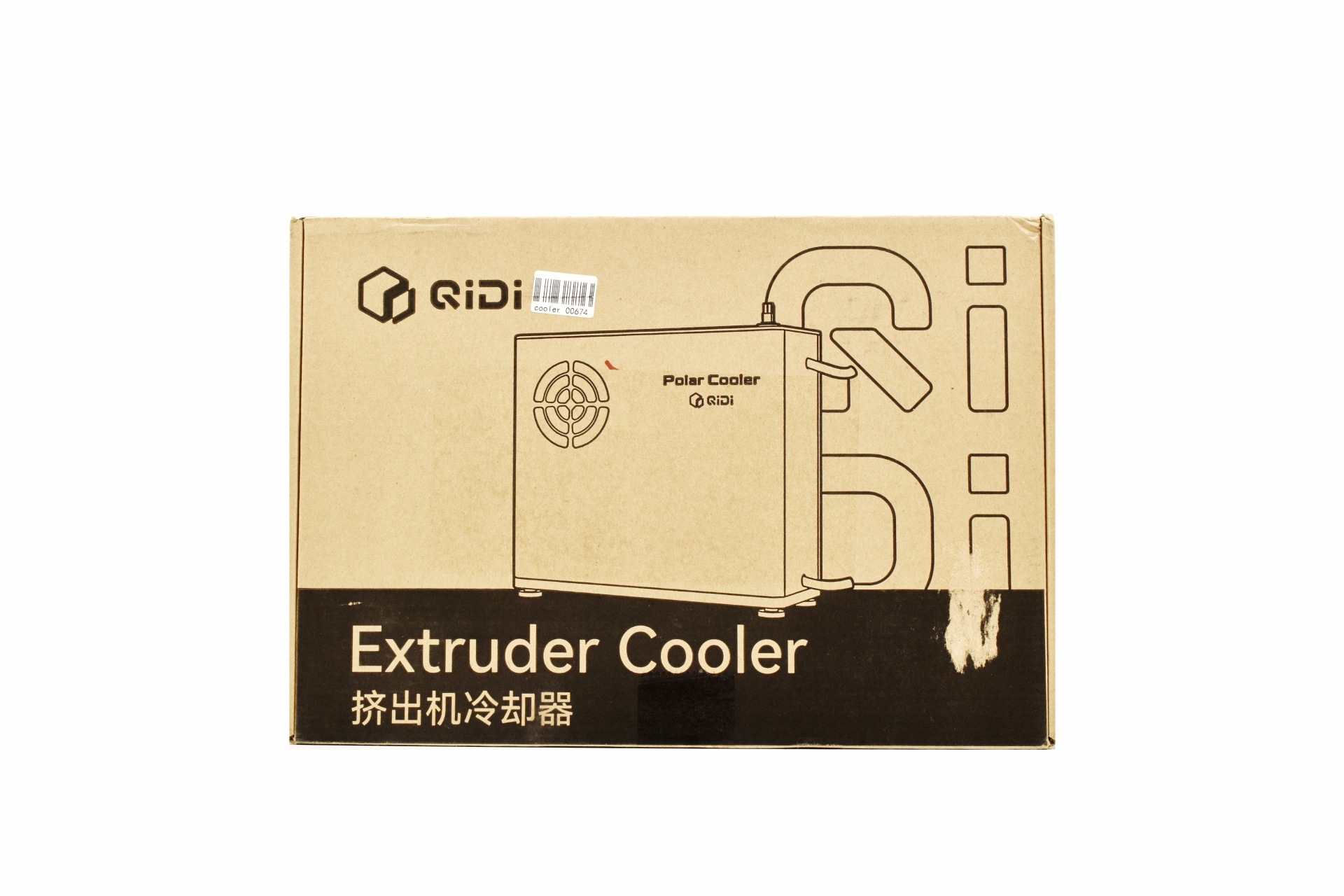
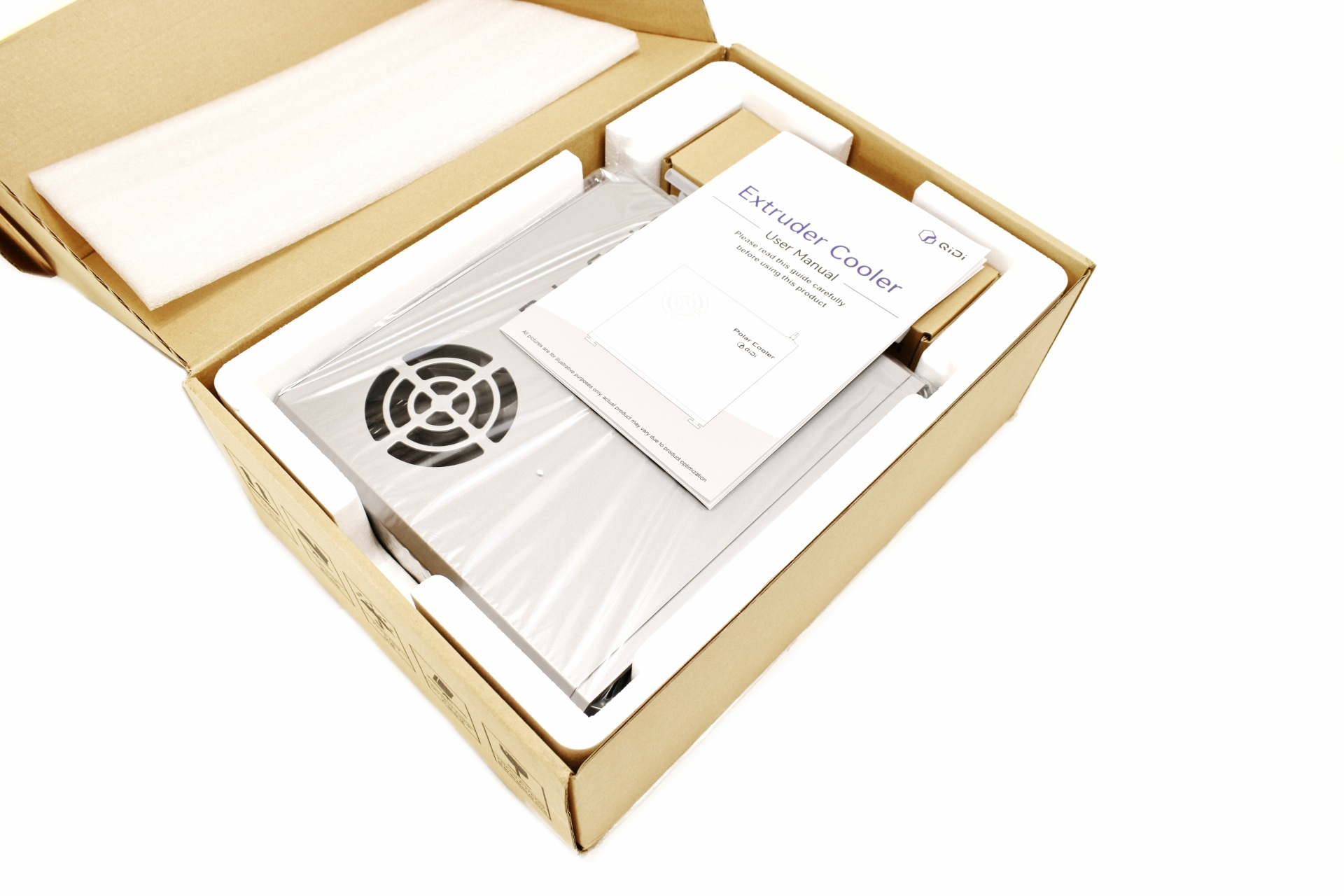 The Polar Cooler arrived in its own box secured by several pieces of foam.
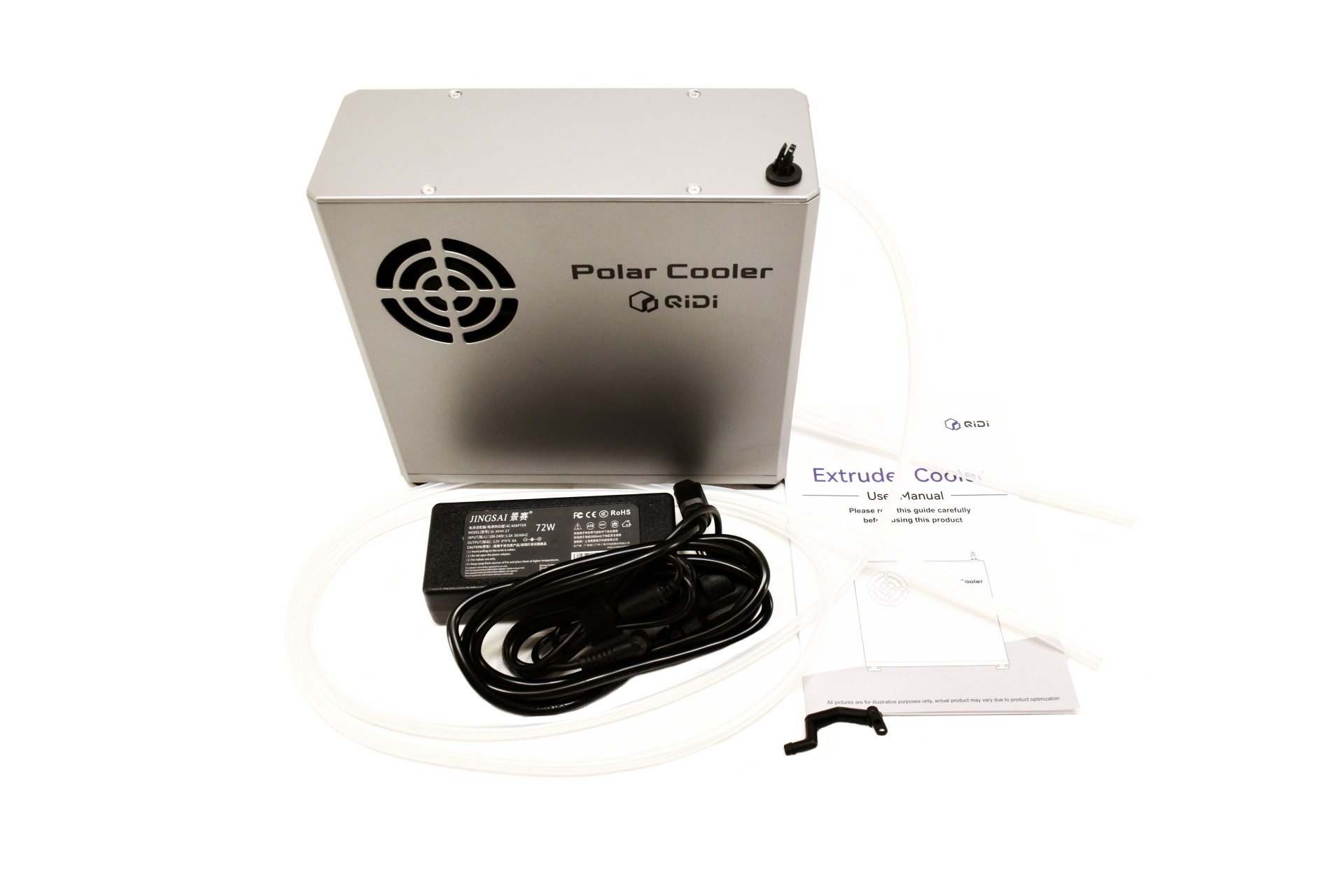
Contained inside the box is the Polar Cooler, power adapter with power cord, air intake pipe, and the user manual.
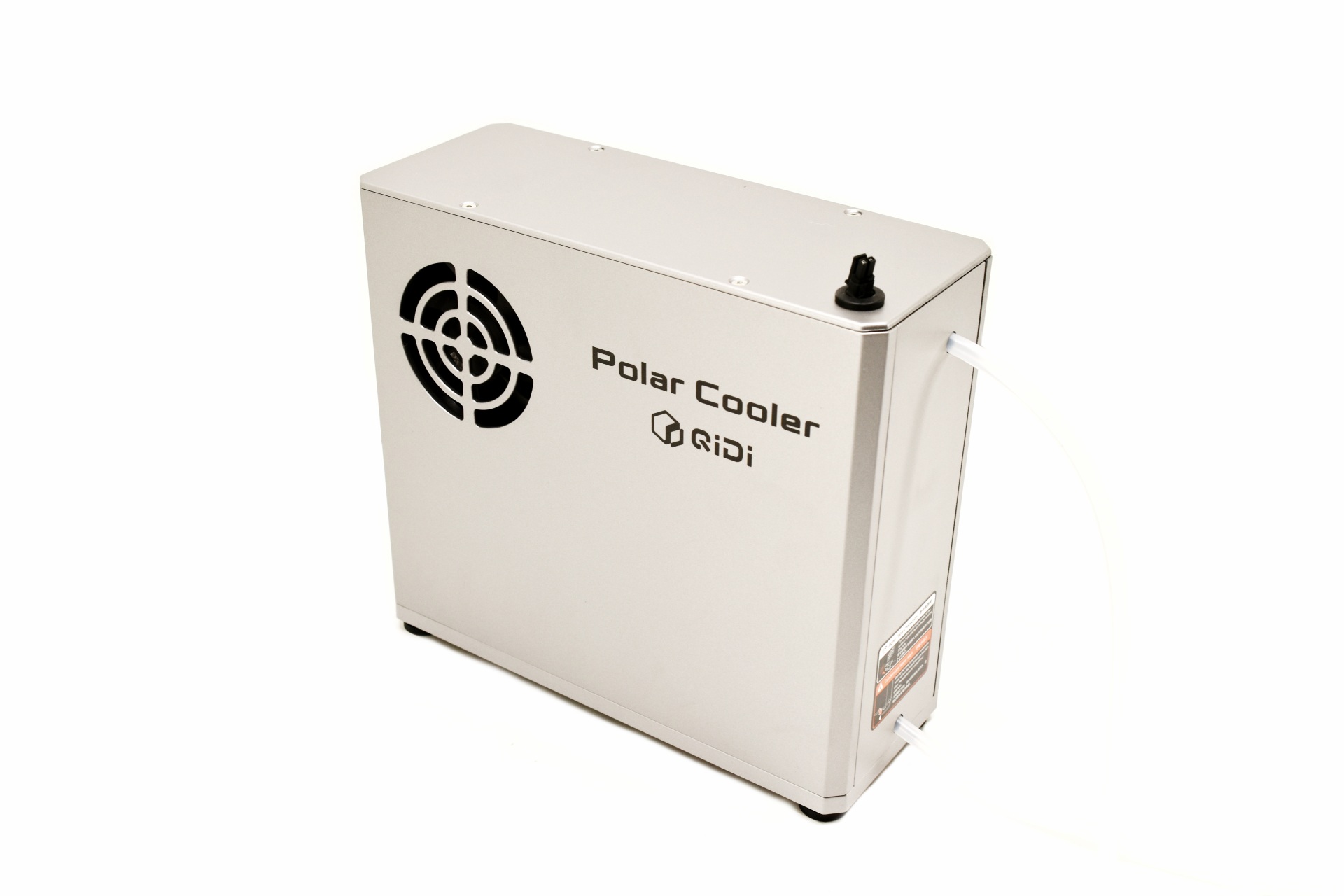
In terms of size the Polar Cooler weighs 2.5kg and measures 234mm in length, 92mm in width and 214mm in height.
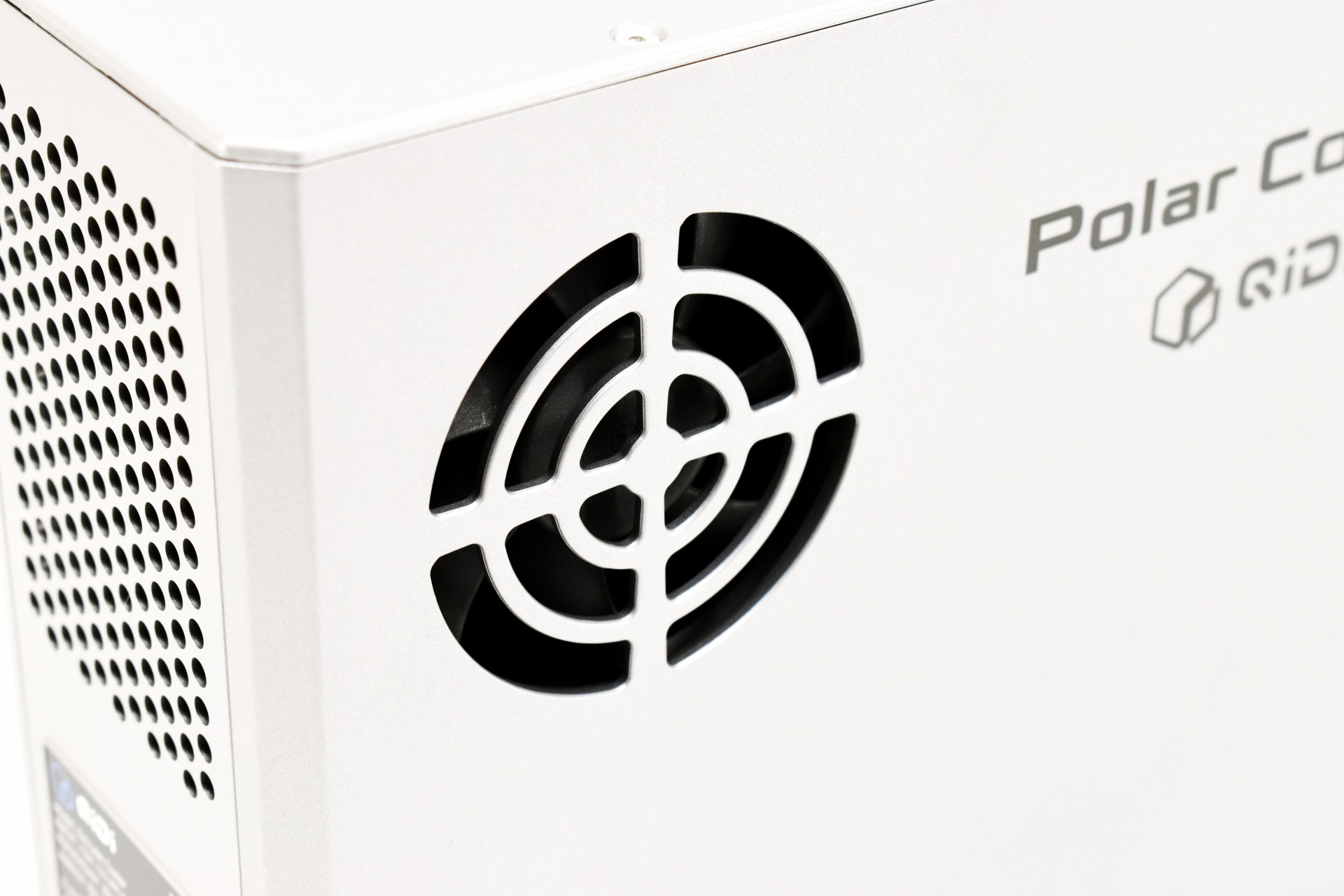
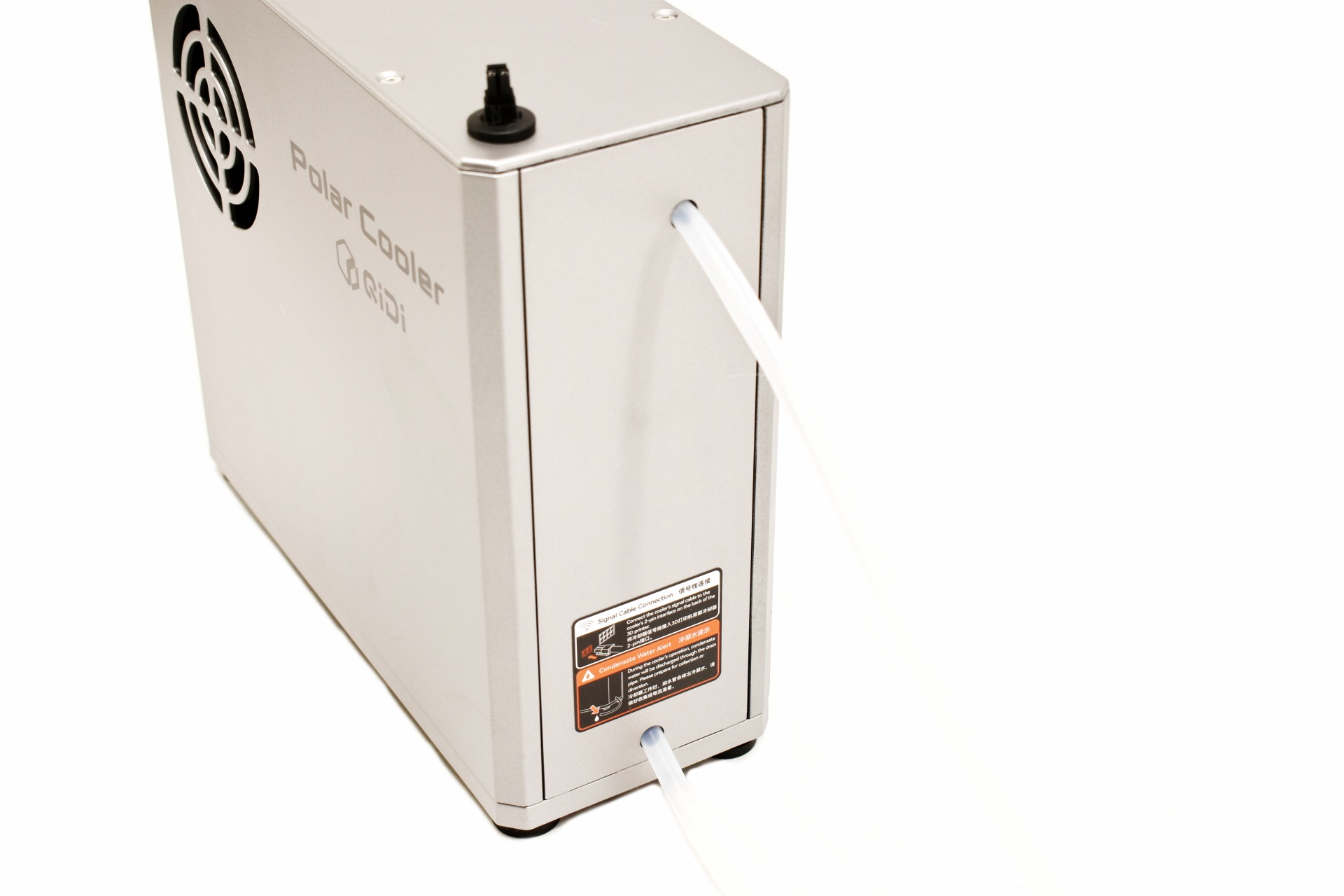
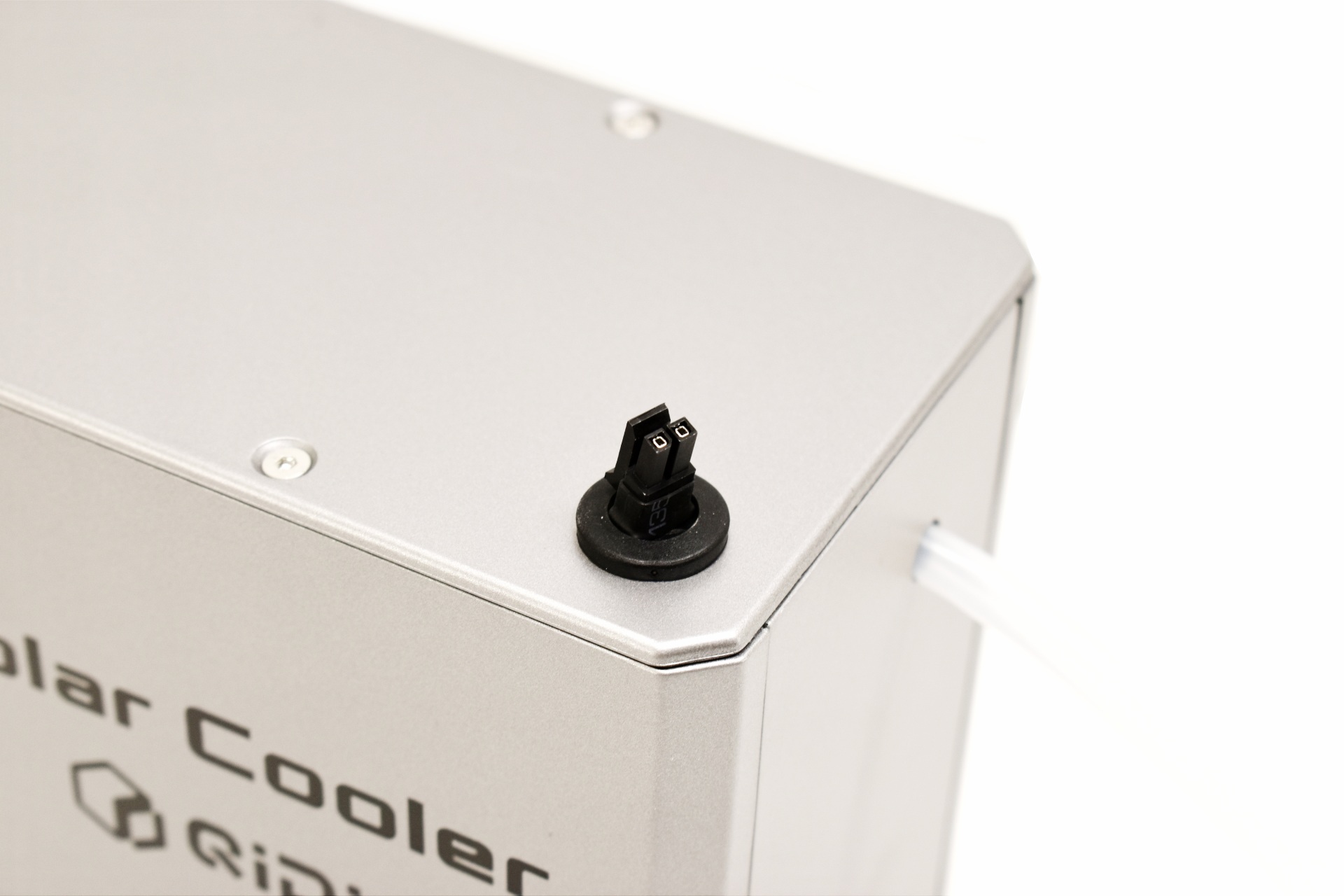
The Polar Cooler has a cooling fan on the left side, two tubes going out from the front and a signal cable that expands/retracts on top.
ASSEMBLY
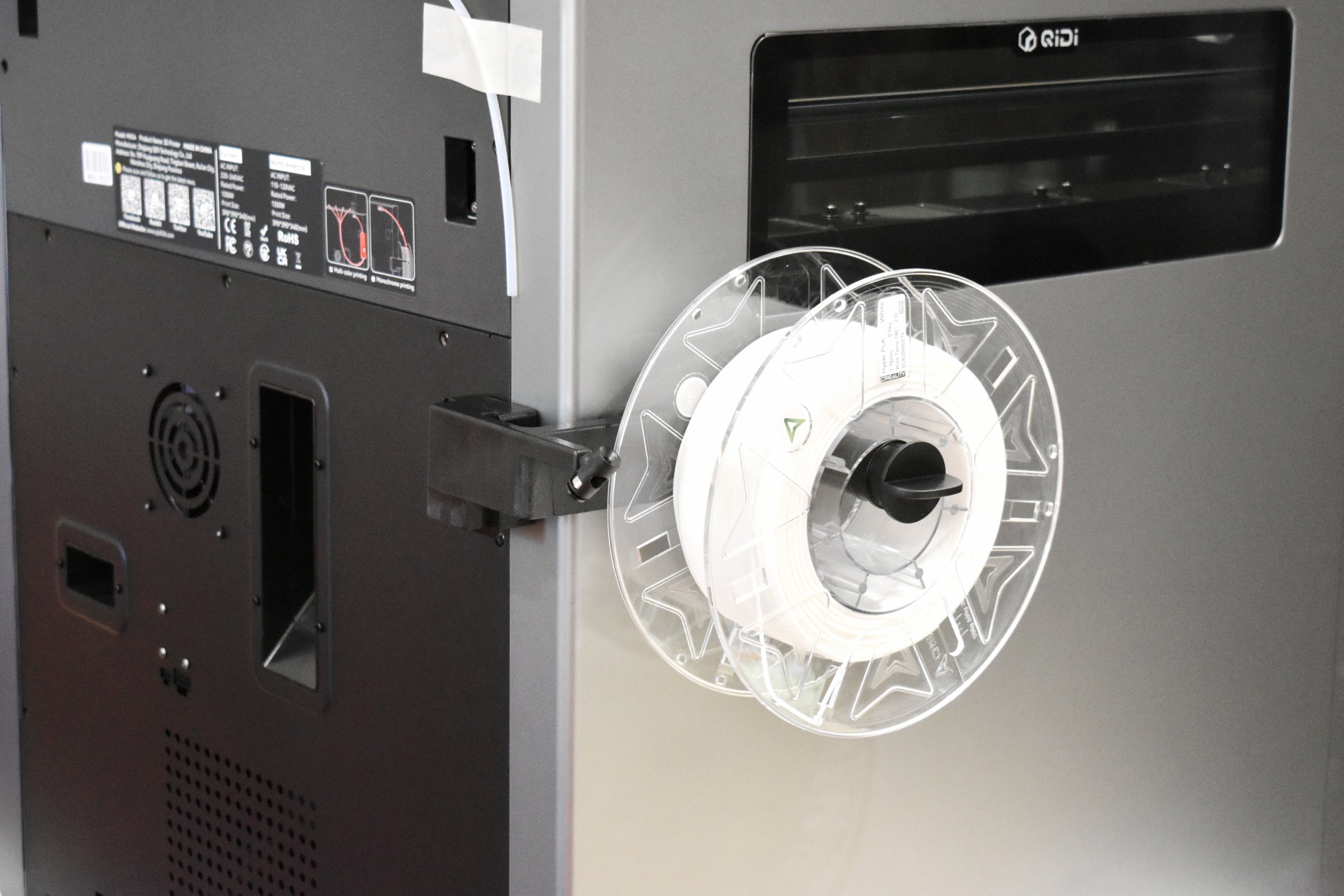
Even though the Max 4 Combo is a 3D printer bundle people will get for the multi-color box showing how the spool holder looks when mounted is a must.
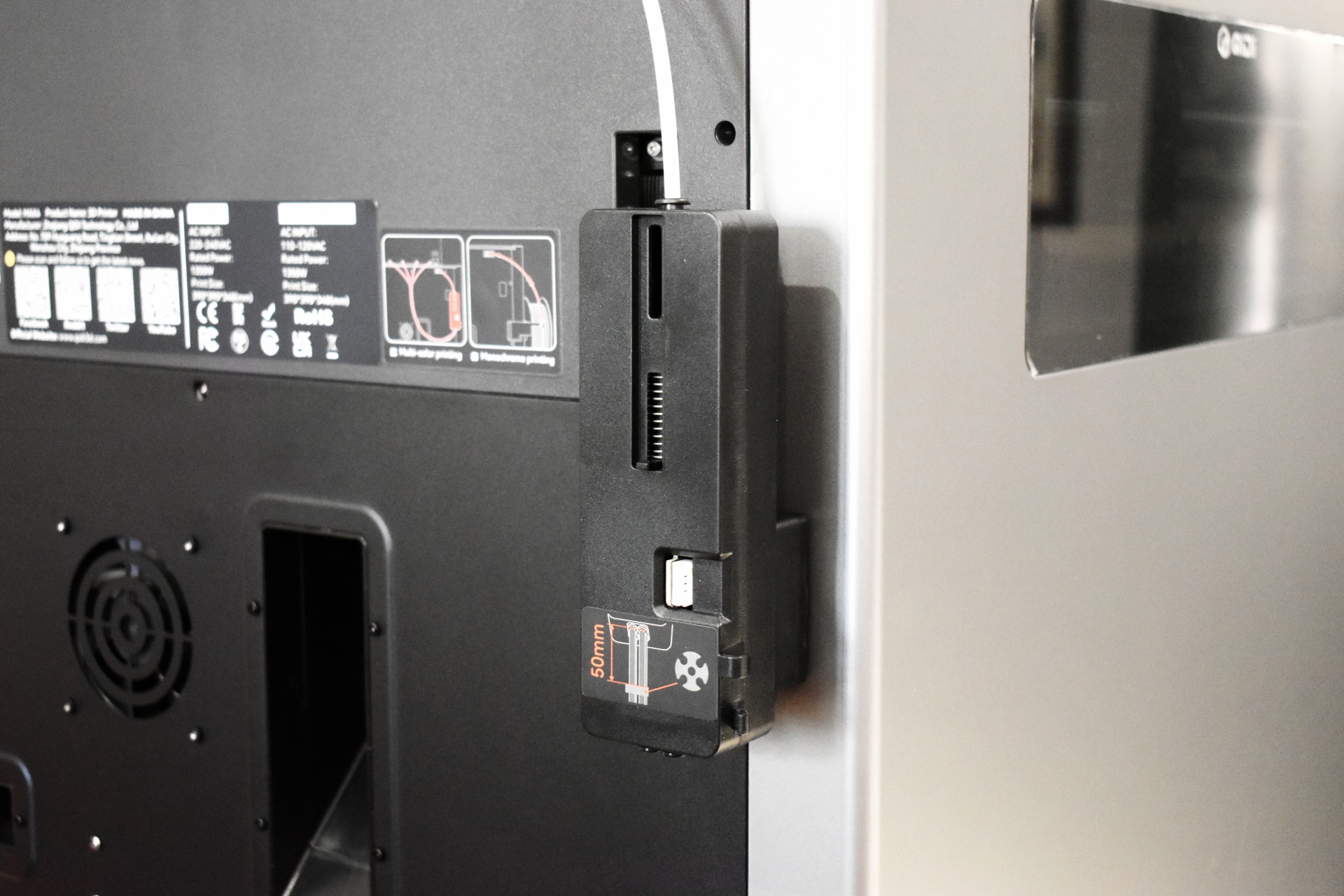
To use the QIDI box you will need to attach the multi-color spool hub in the holder mount as seen above.
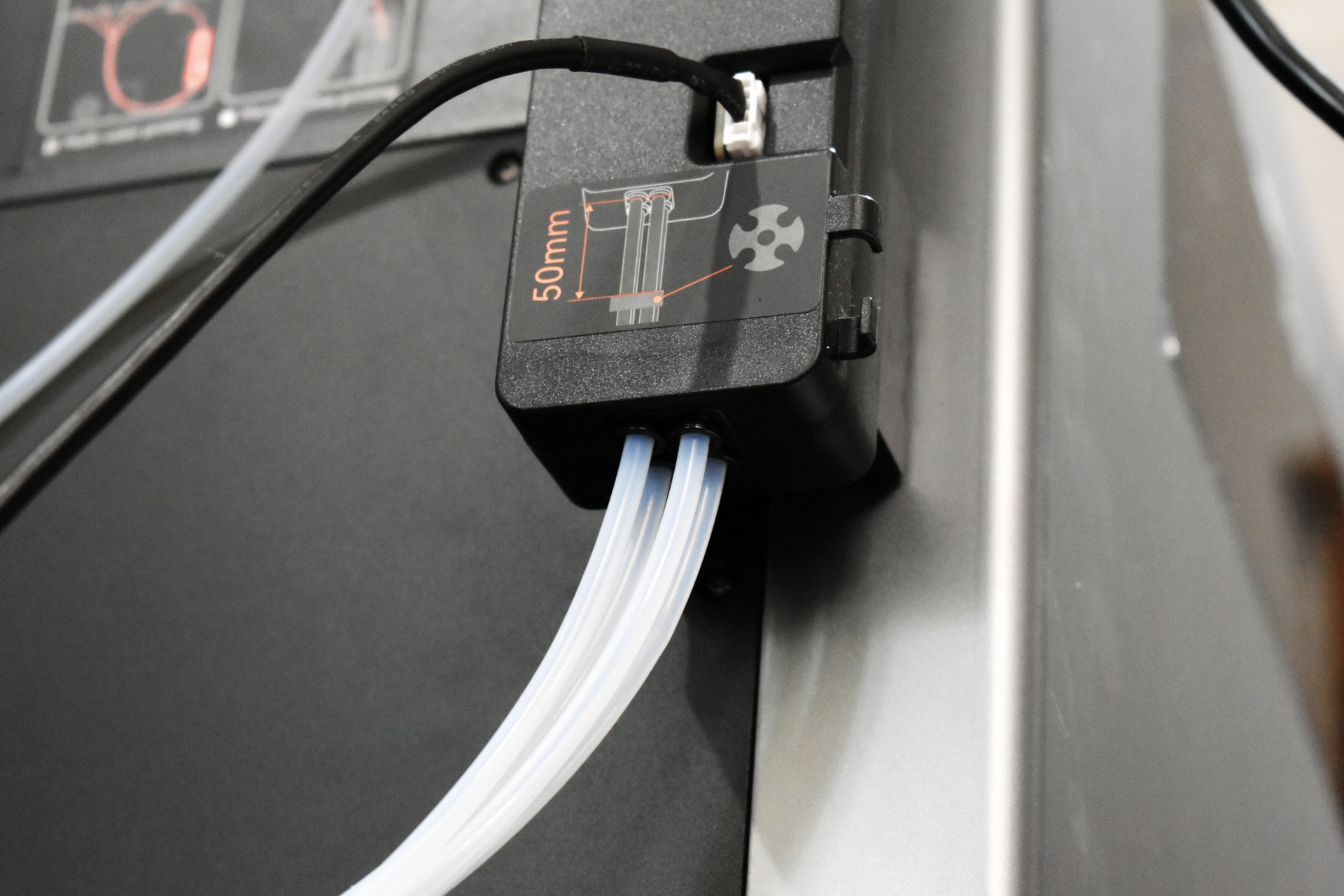
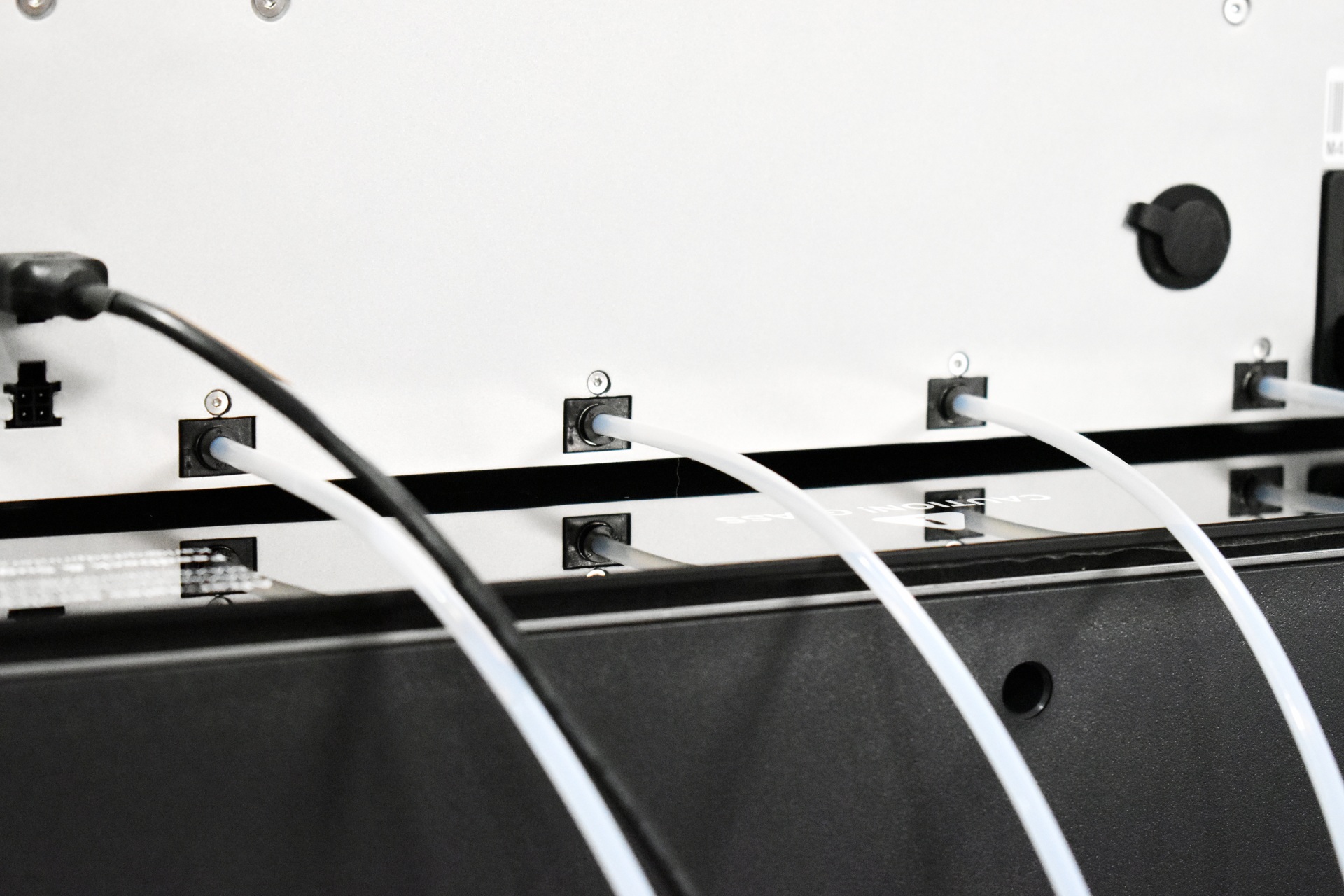
Then you will have to connect the spool hub to the QIDI box via 4 PTFE tubes as seen above.
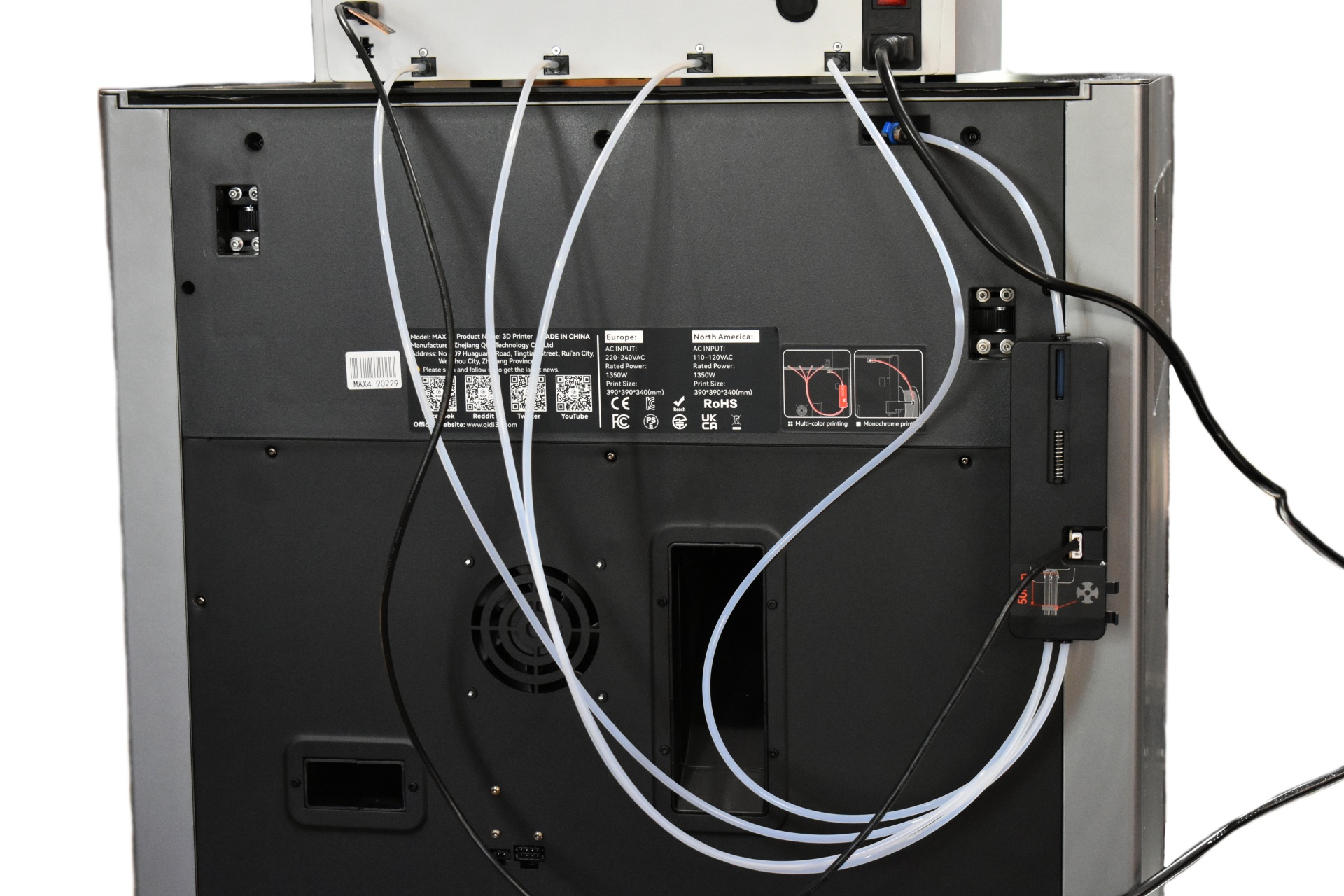
This is how the Max 4 Combo looks with the PTFE and power cables attached (signal cables still not attached).
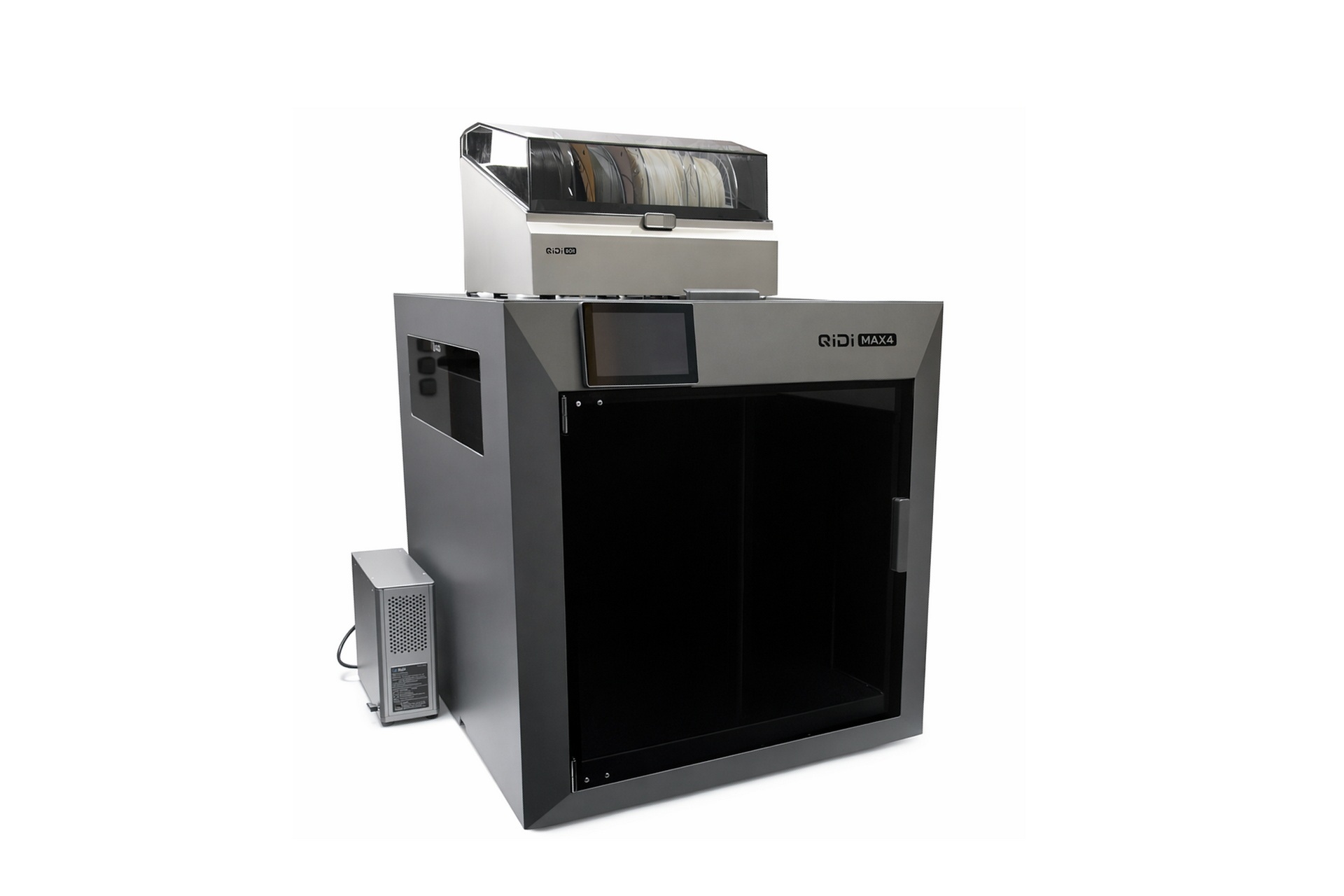
With the QIDI box and Polar Cooler attached to the Max 4 everything is ready to go.
DISPLAY MENUS
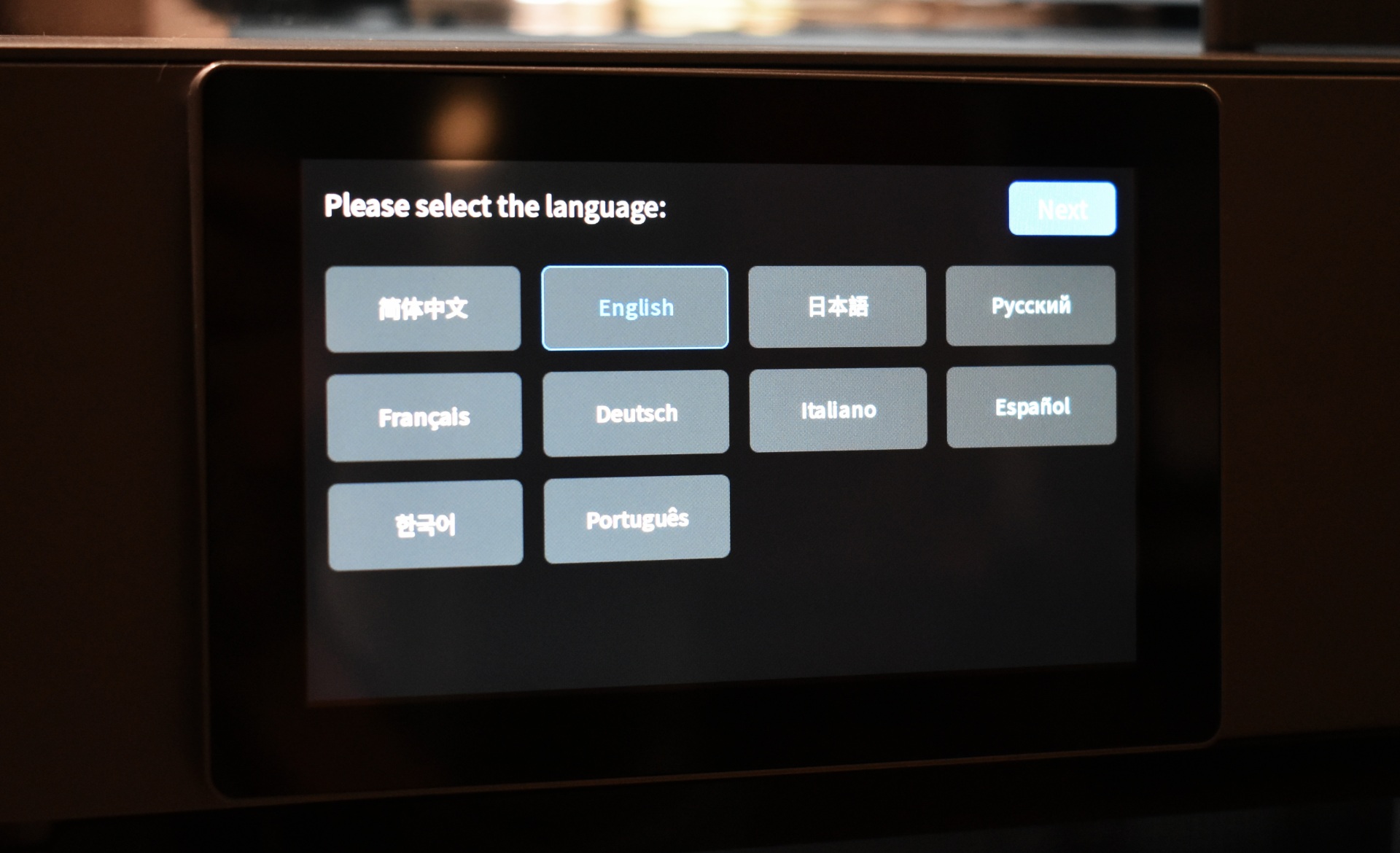
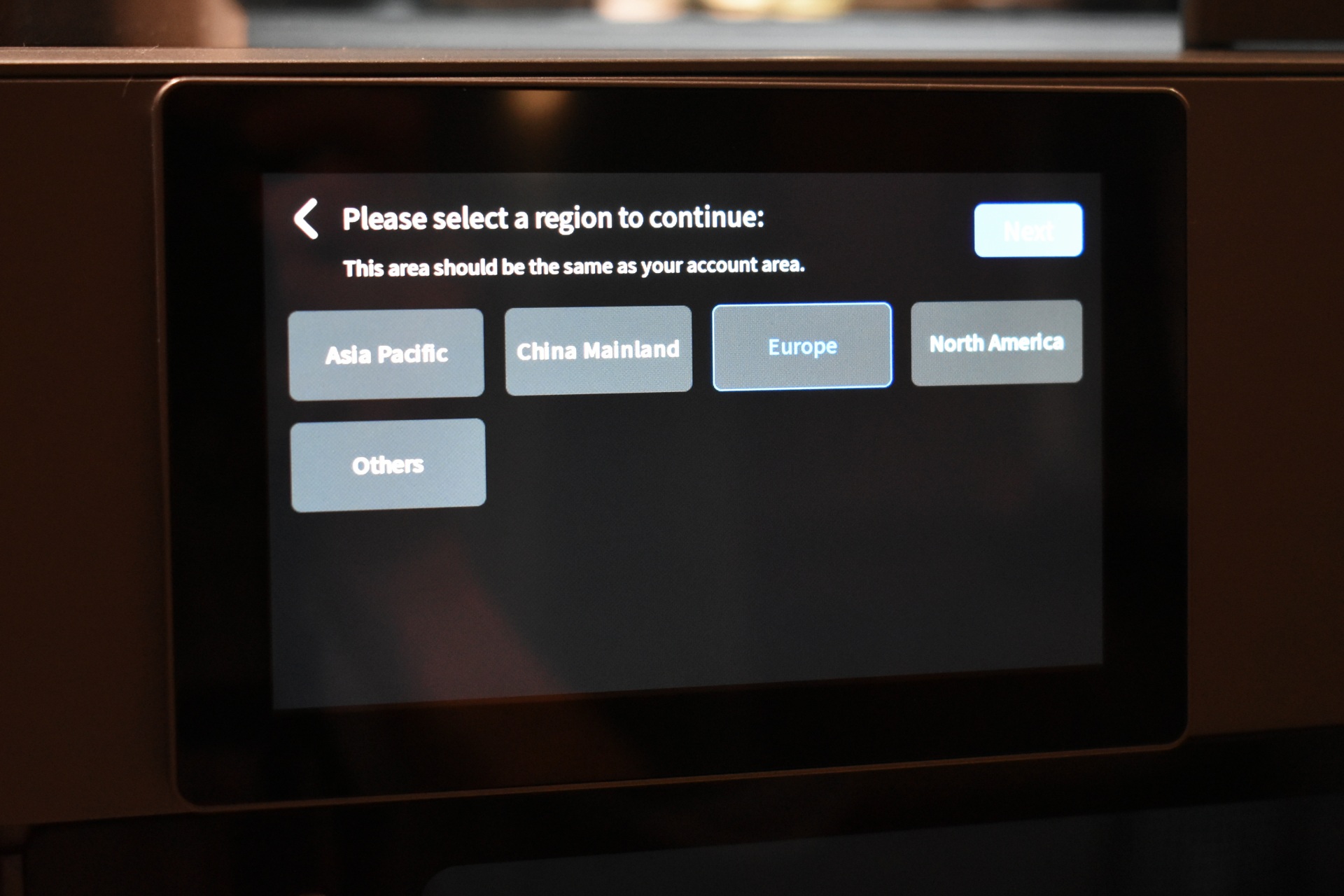
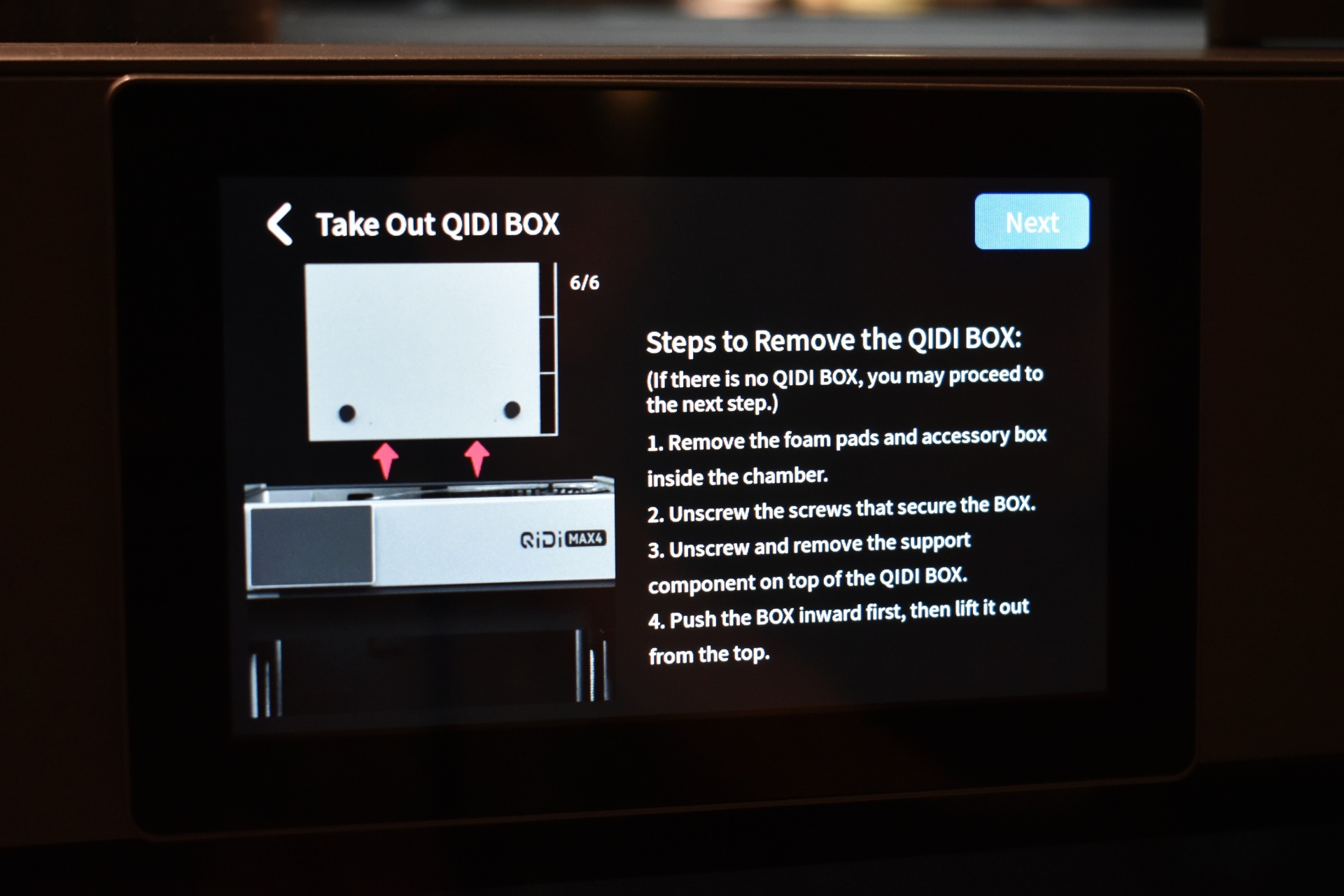
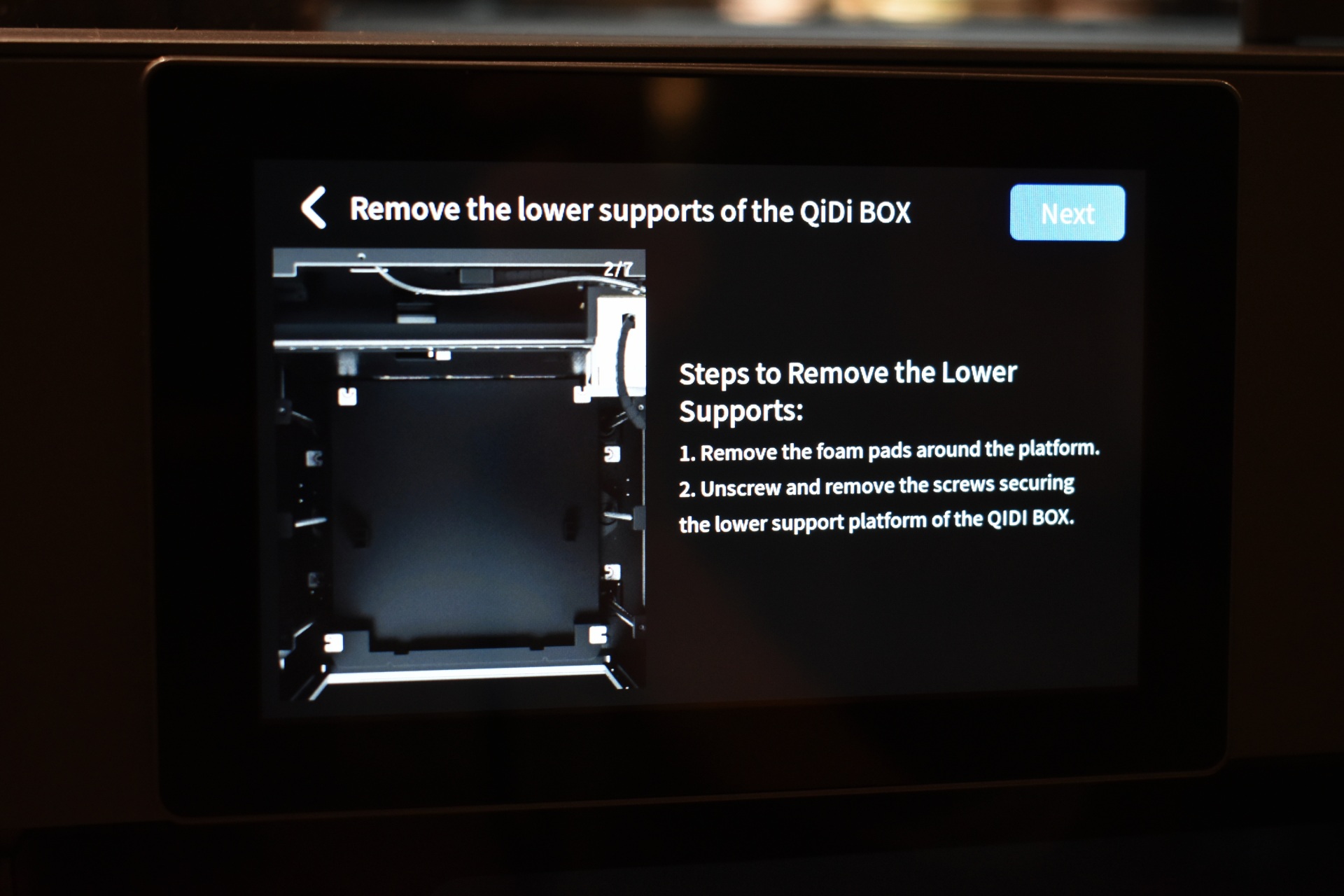
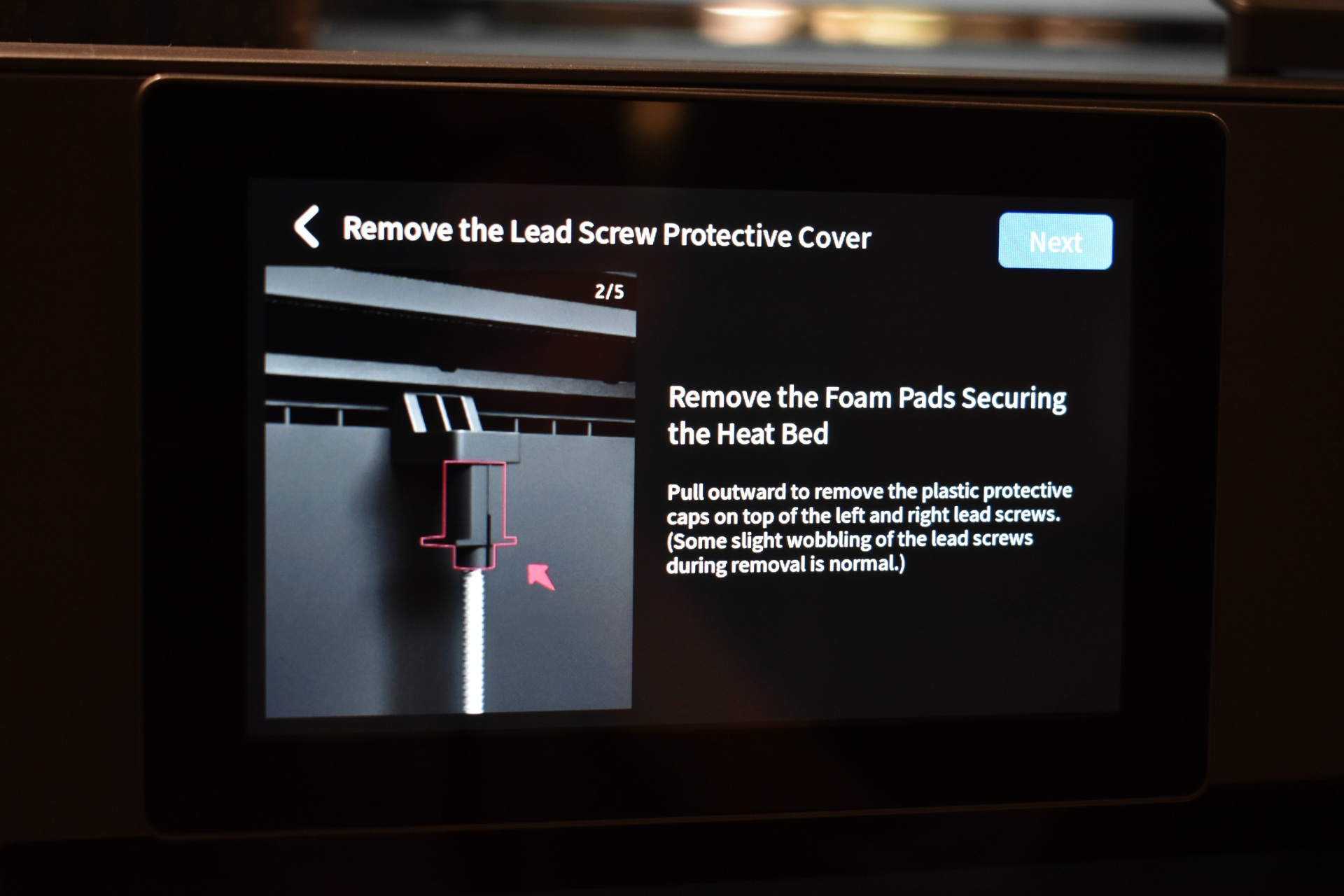
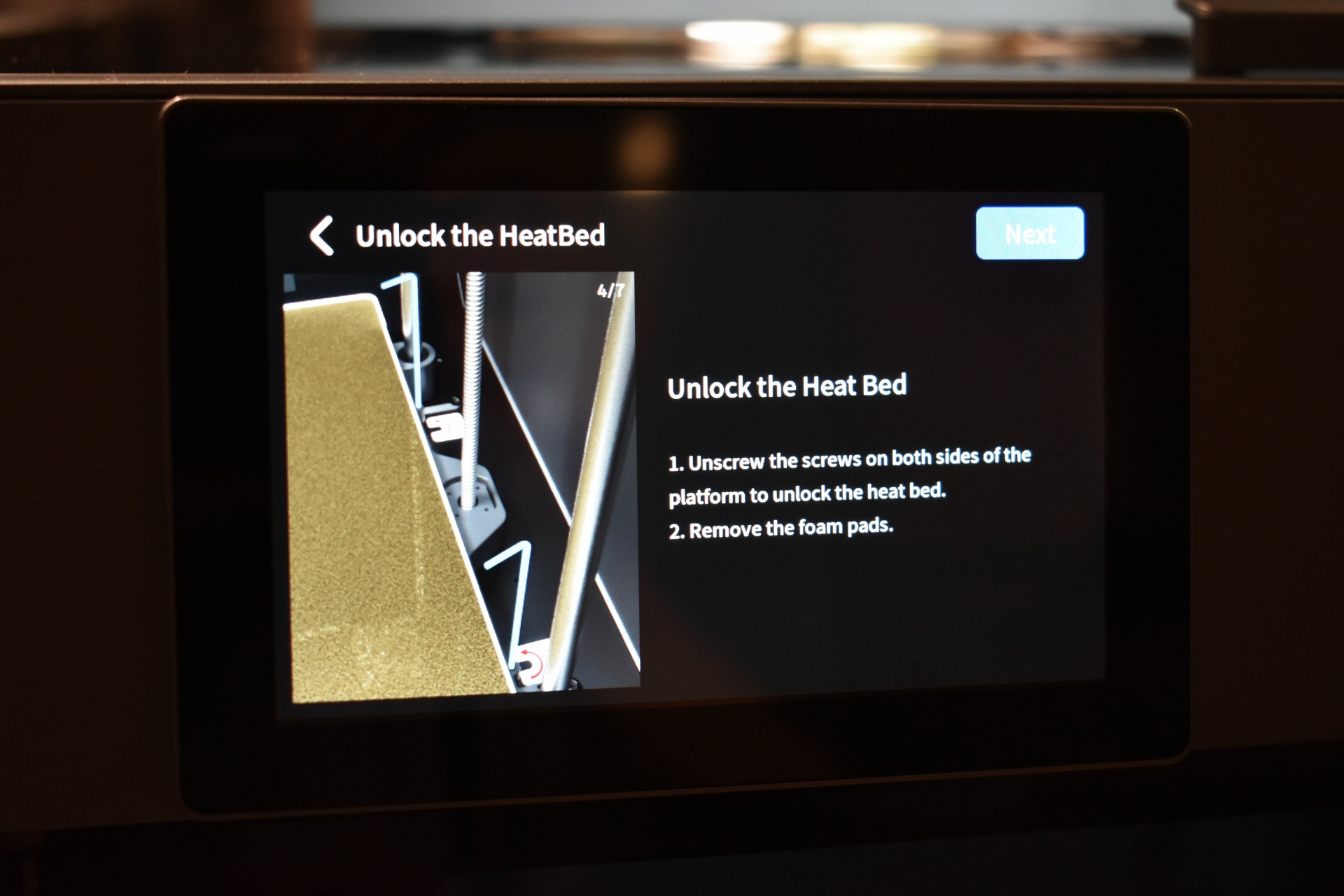
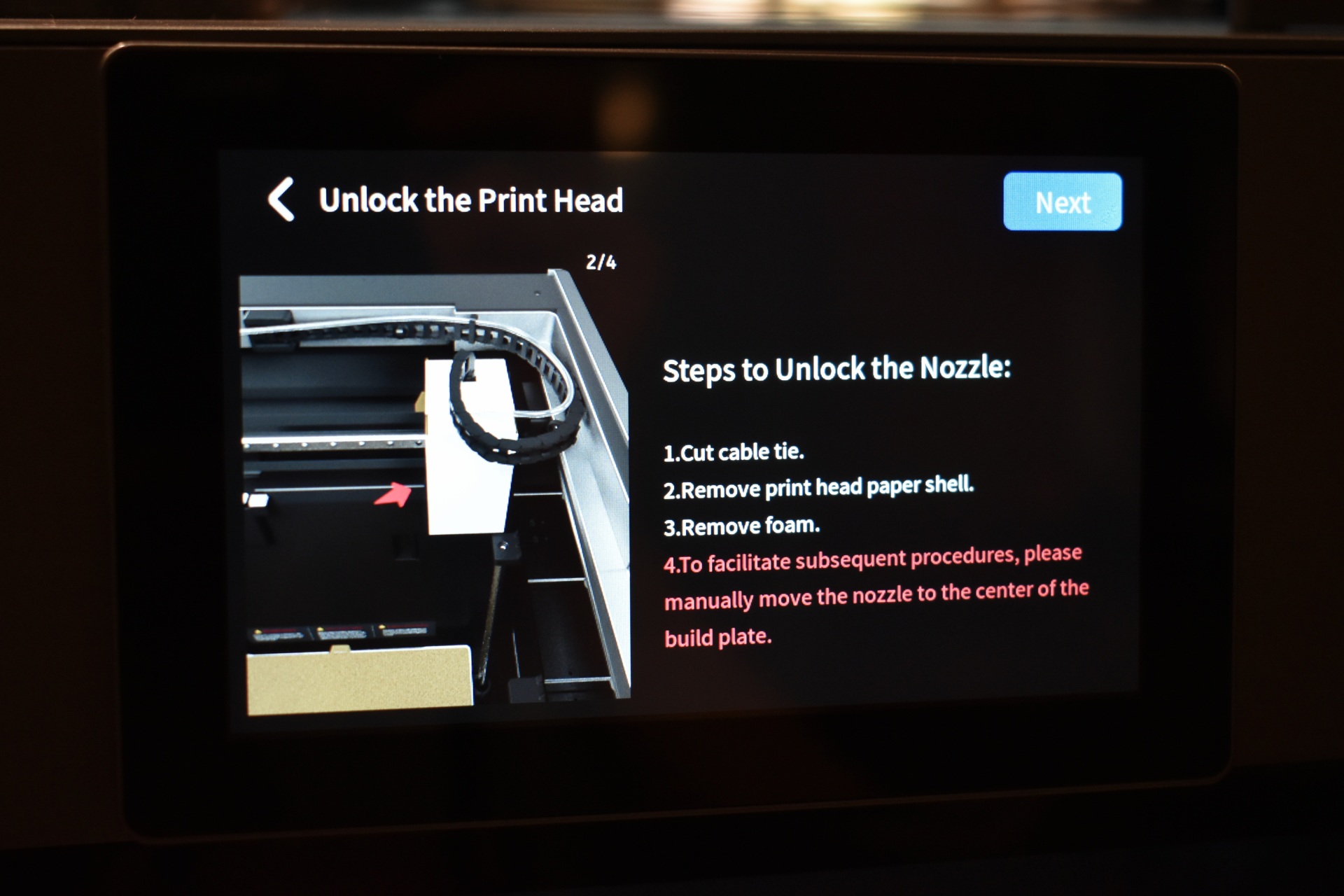
Once you turn on the QIDI Max 4 Combo you will need to choose the language, region and follow instructions on how to remove the QIDI box and unlock the bed and print head.
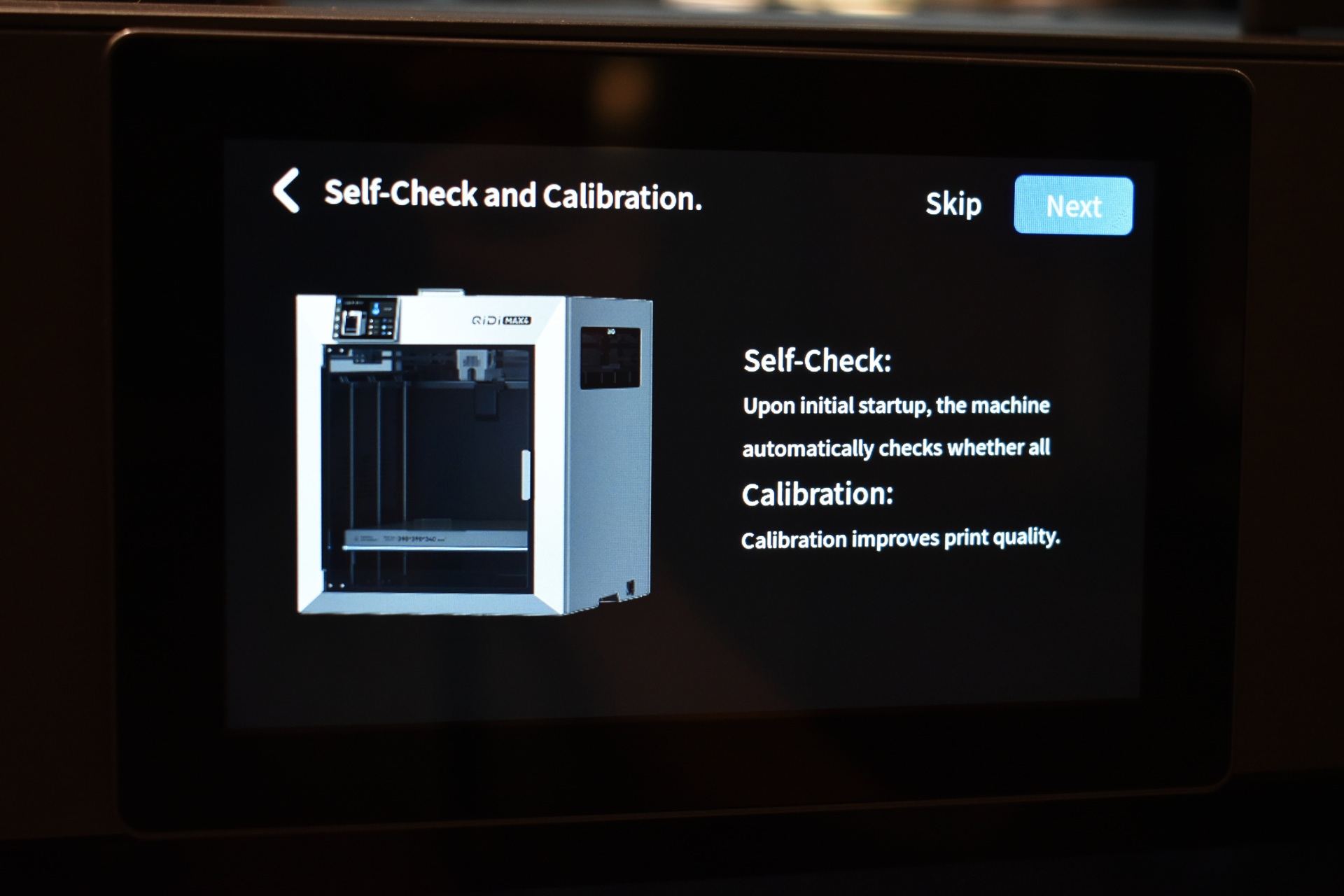
Next stop is to allow the unit to perform a self-check and calibration.
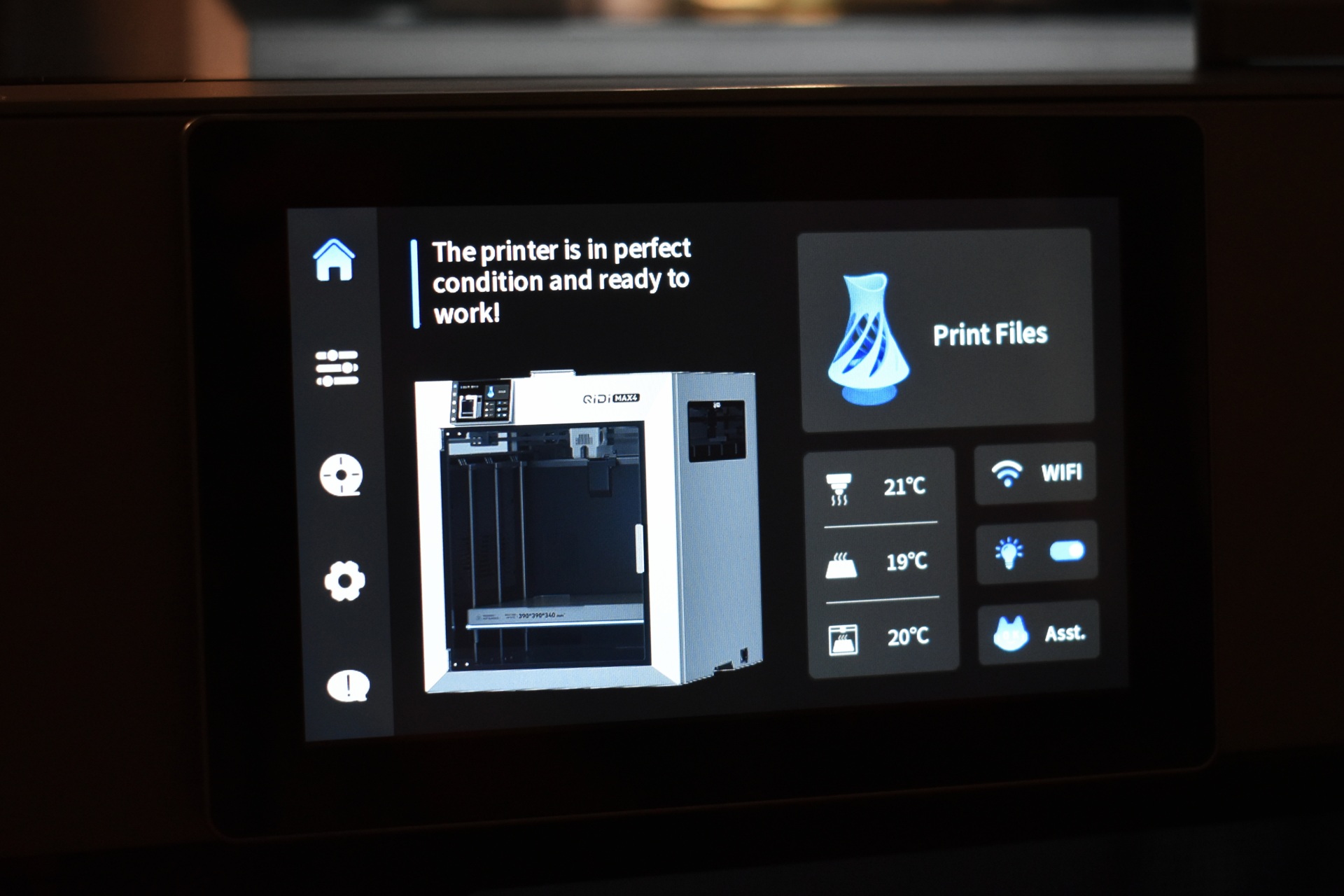
Once the self-check and calibration procedure is complete, you'll get the above screen.
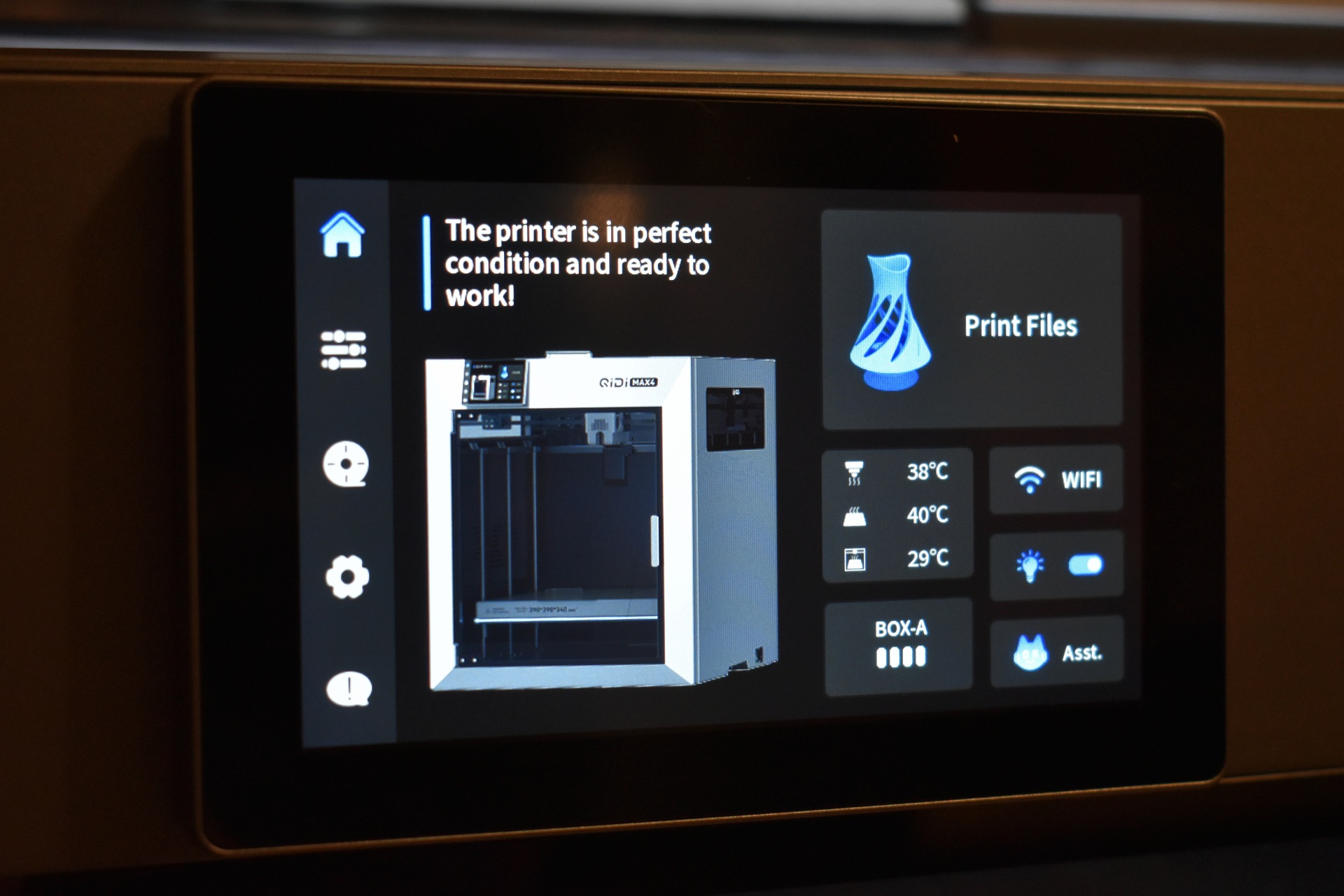
Turning on the QIDI box adds that graphic in the initial screen which typically shows the status of the printer.
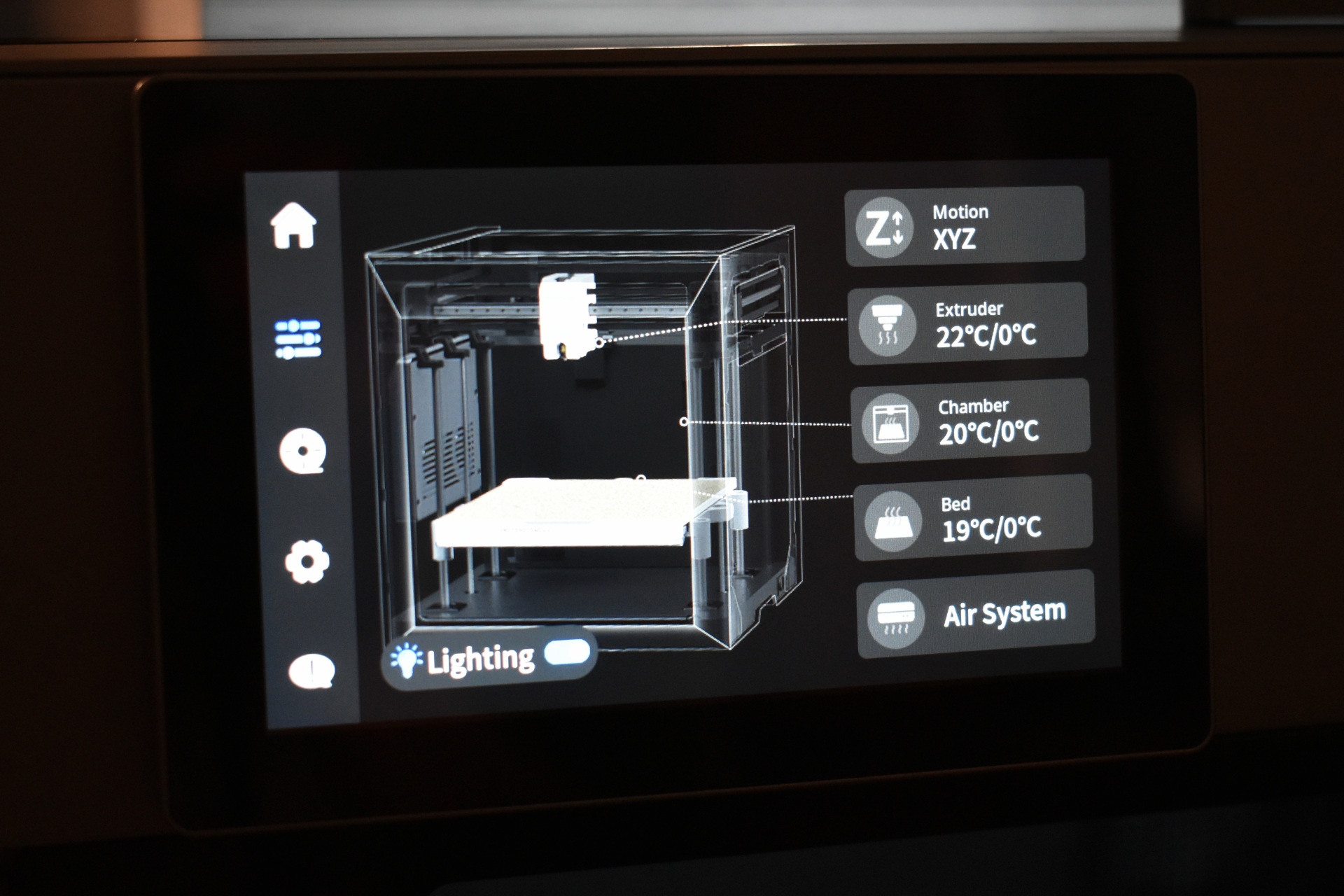
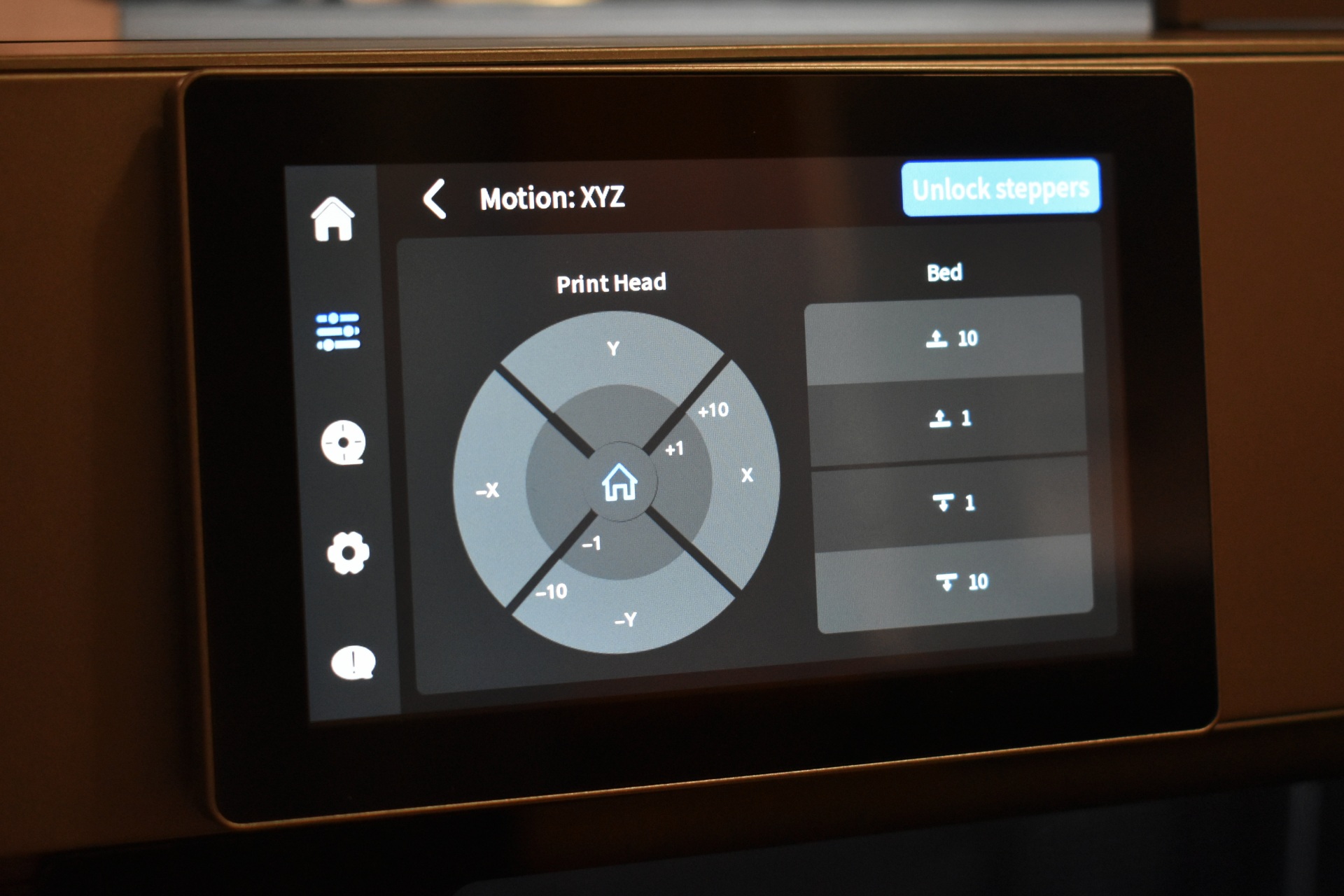
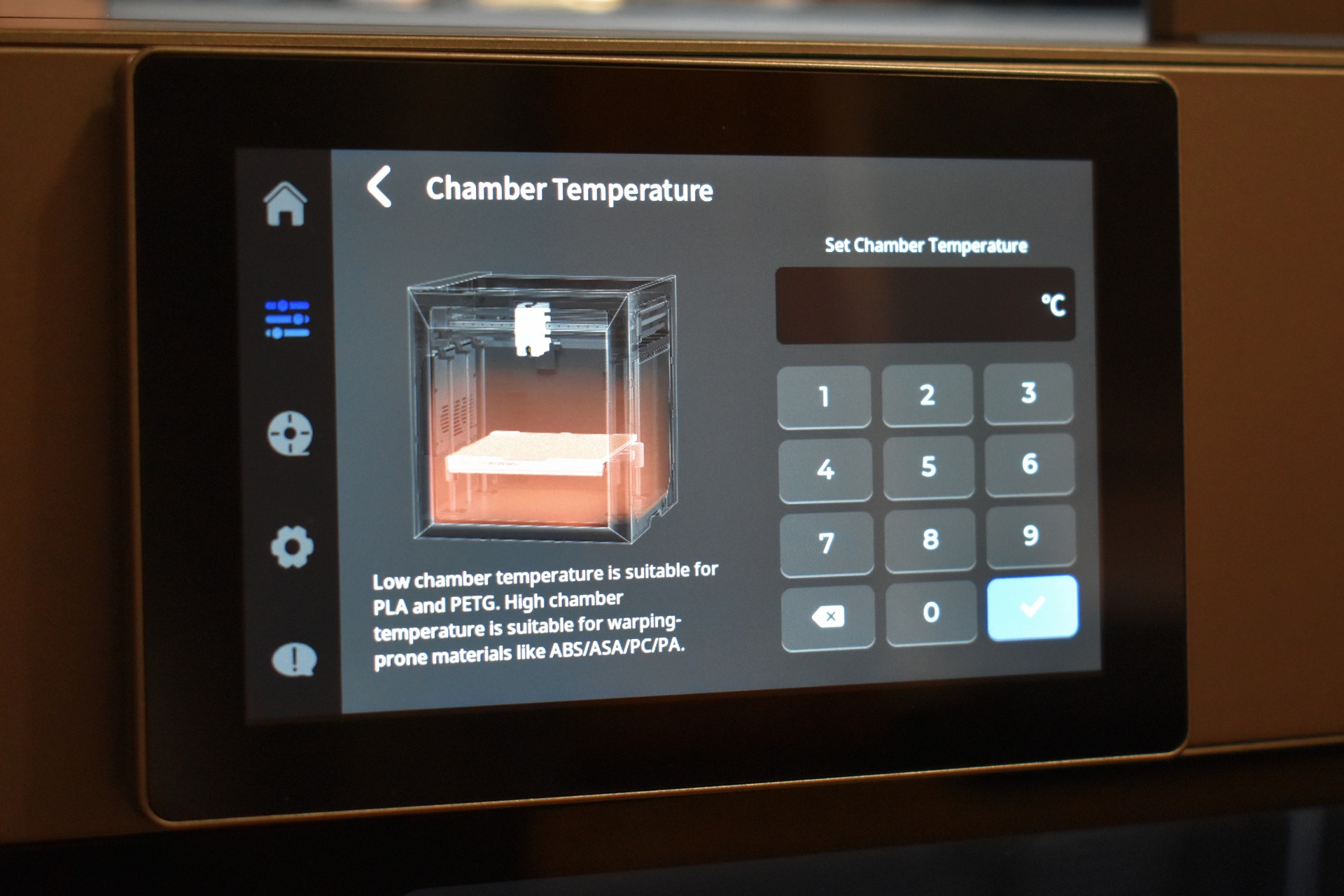
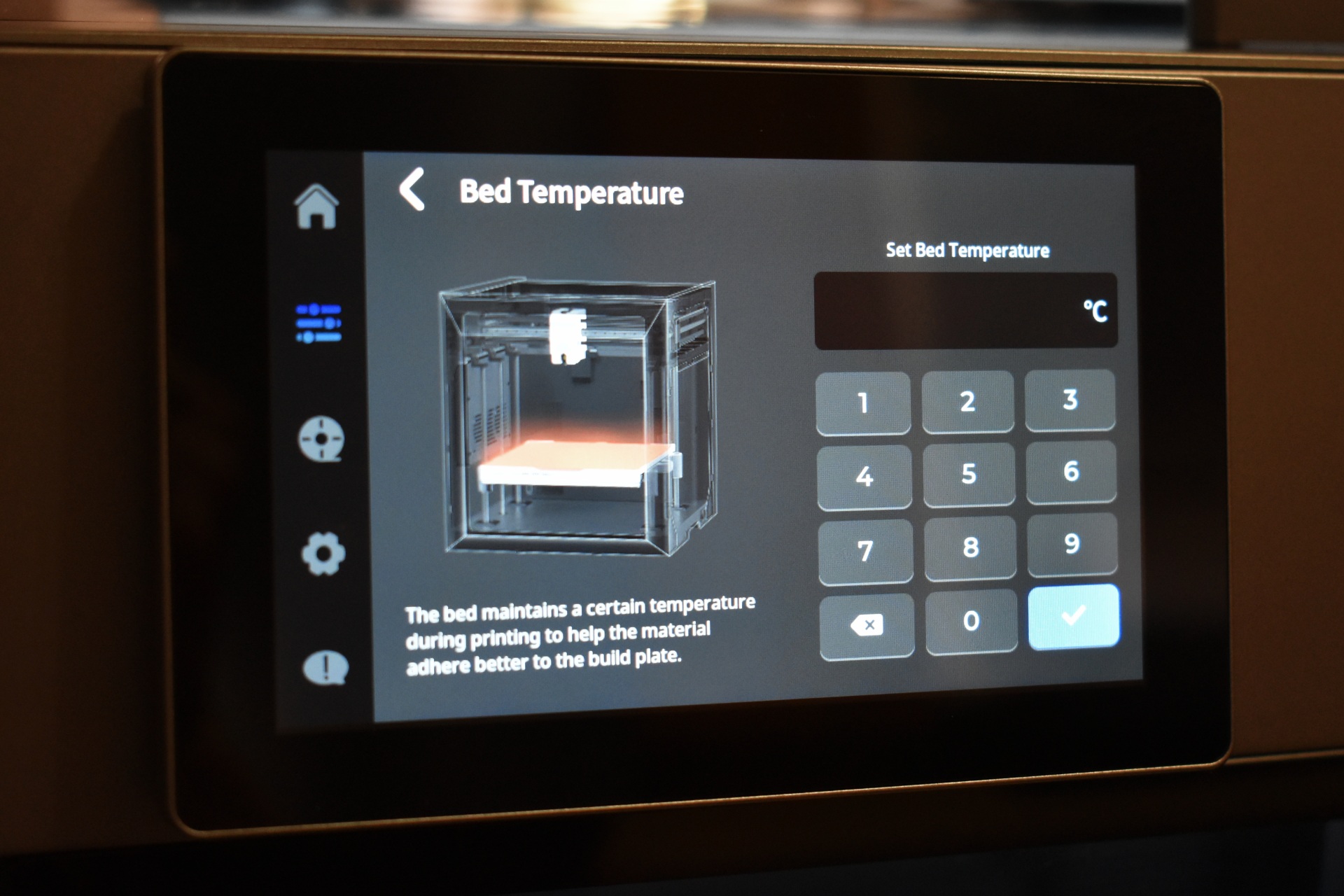
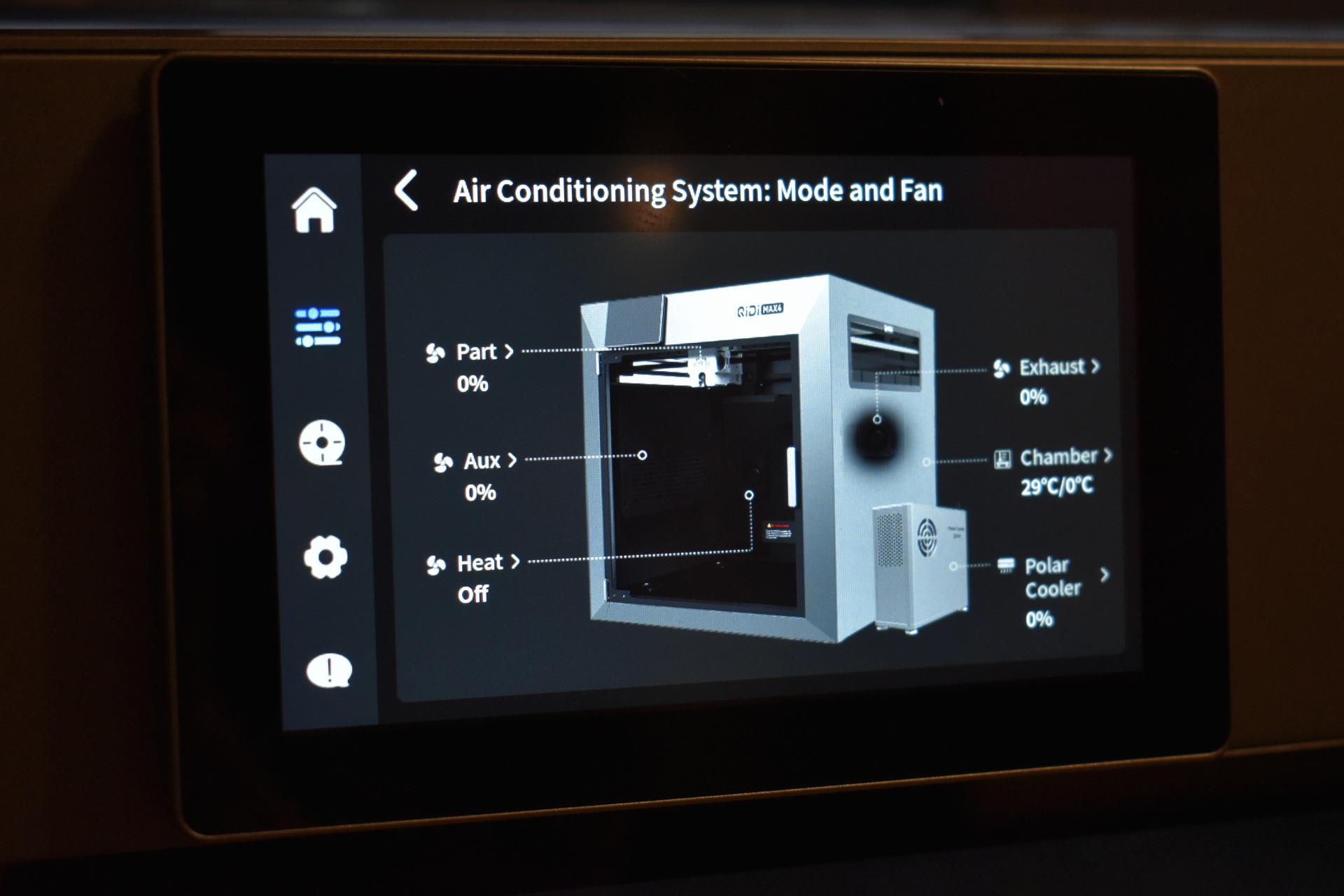
From the 2nd tab you can move the extruder and the printing bed, adjust temperatures for the extruder, chamber and bed and adjust the cooling system.
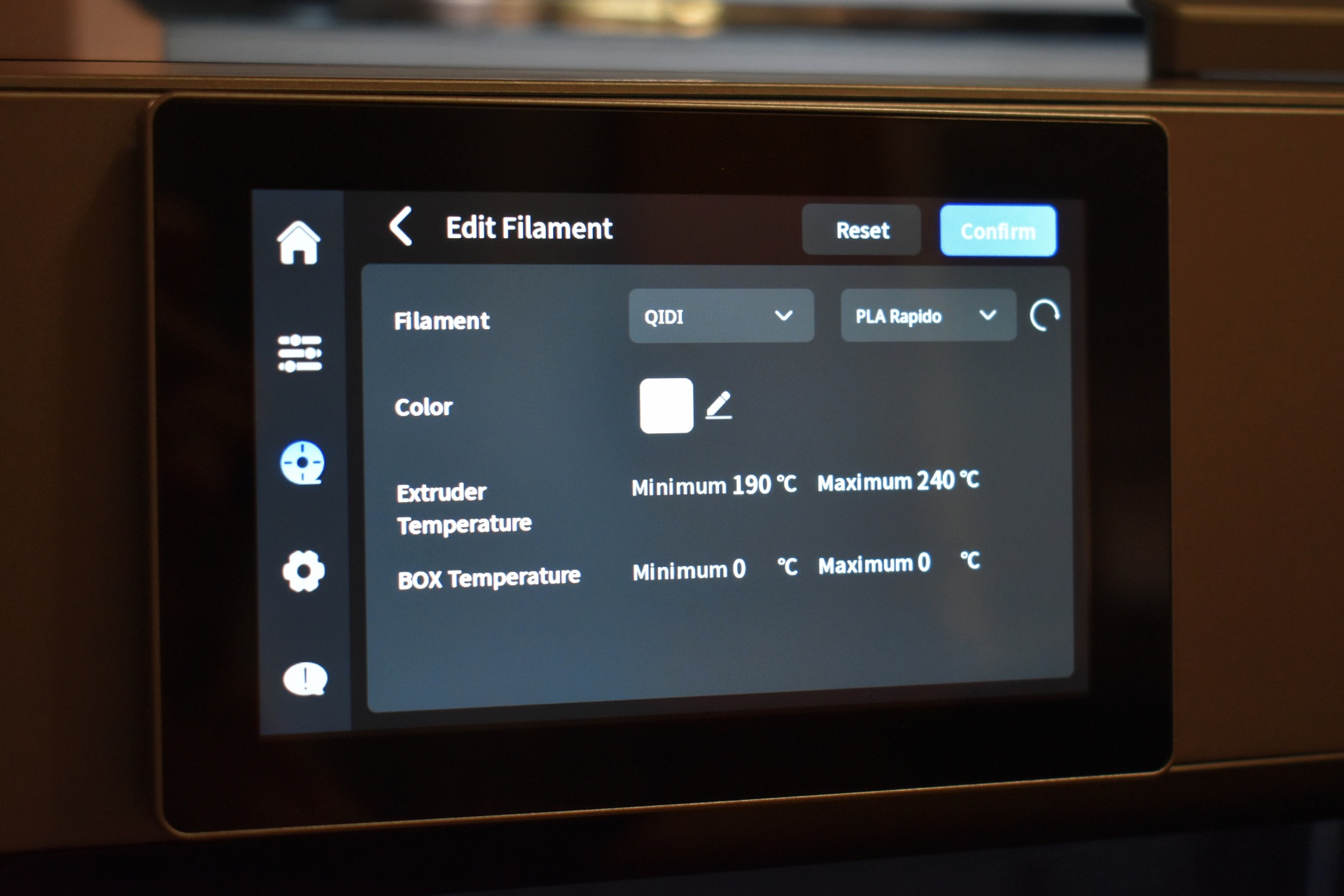
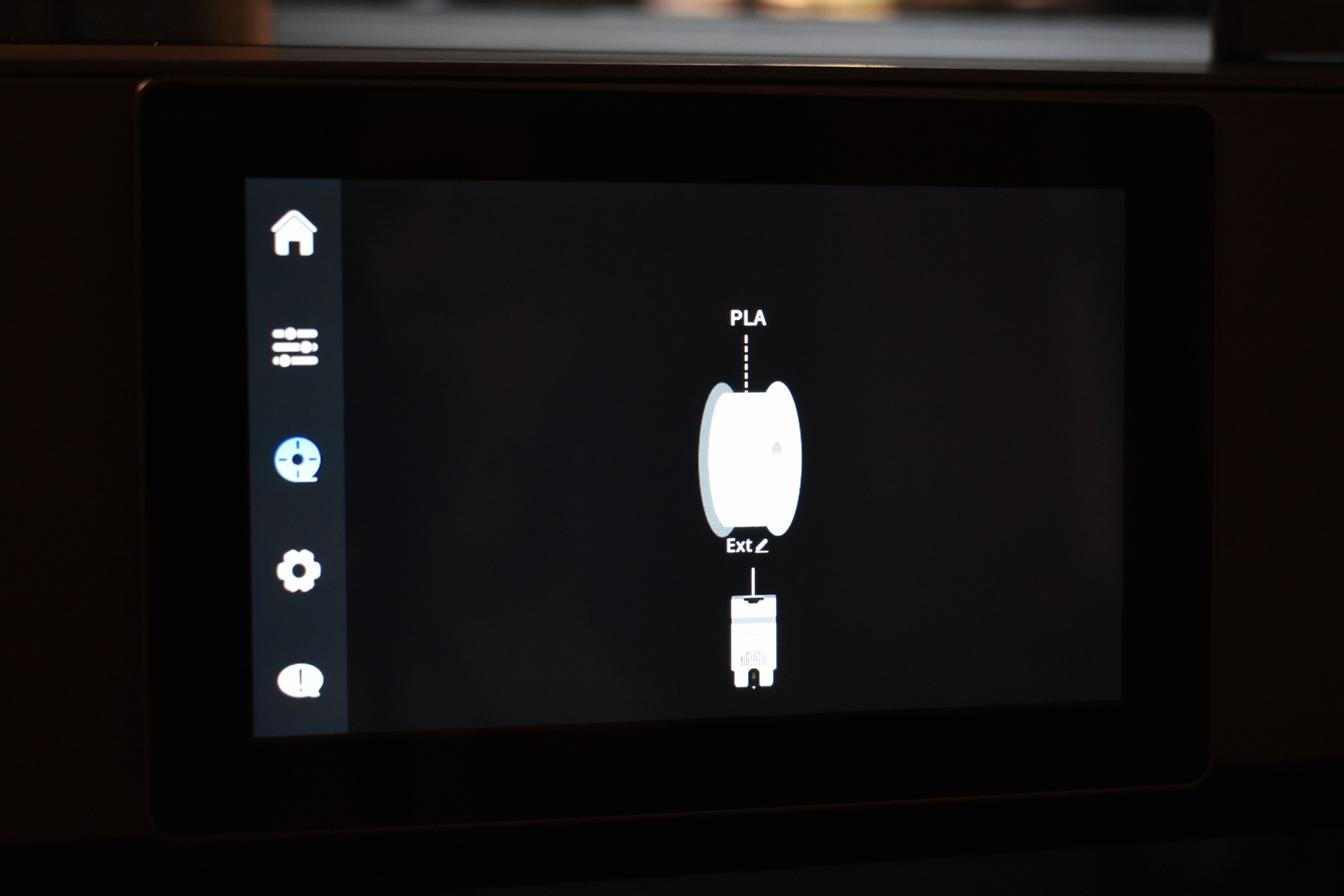
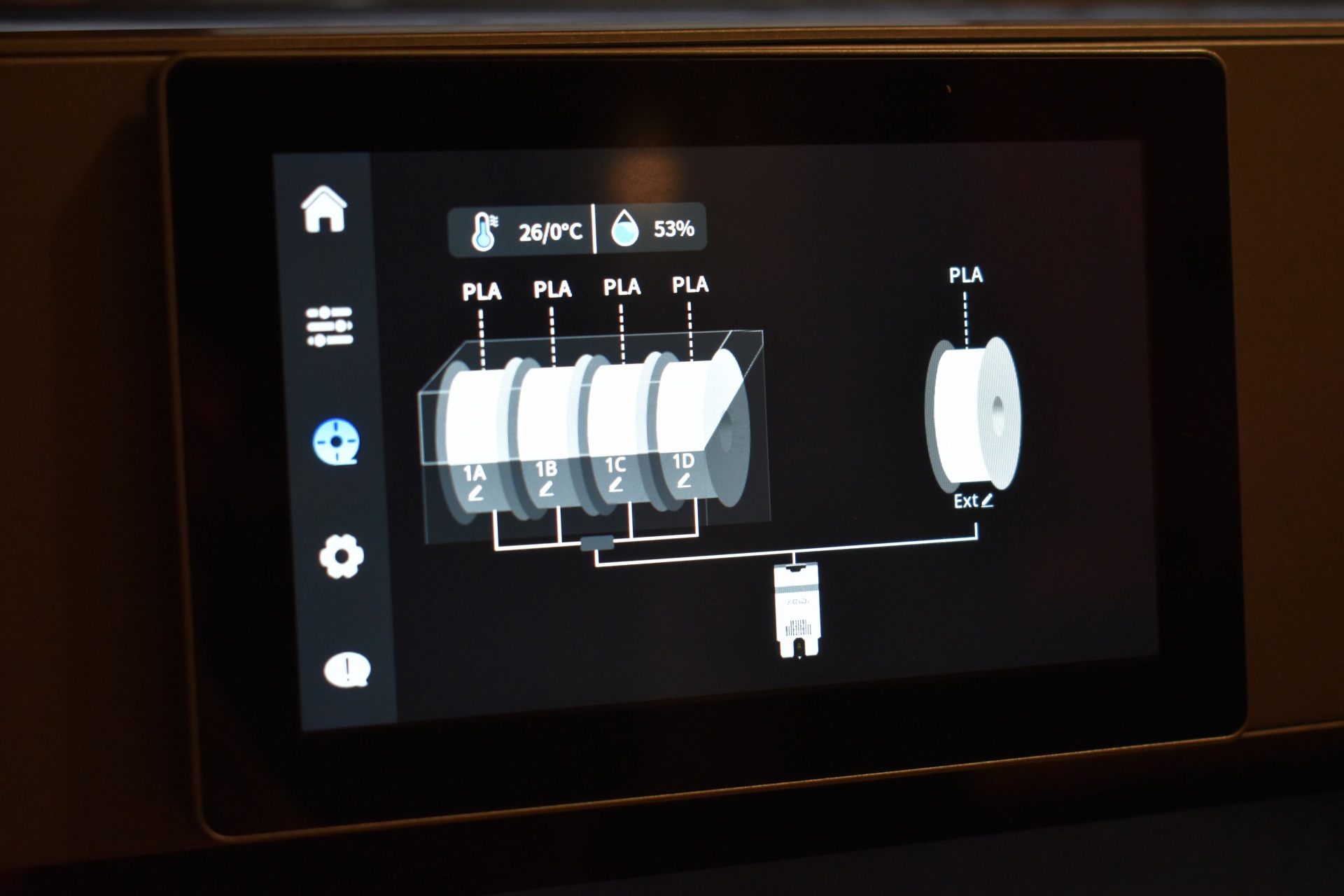
Inside the filament tab you can select the brand and type of filament and temperatures and choose between the spooler and the QIDI box.
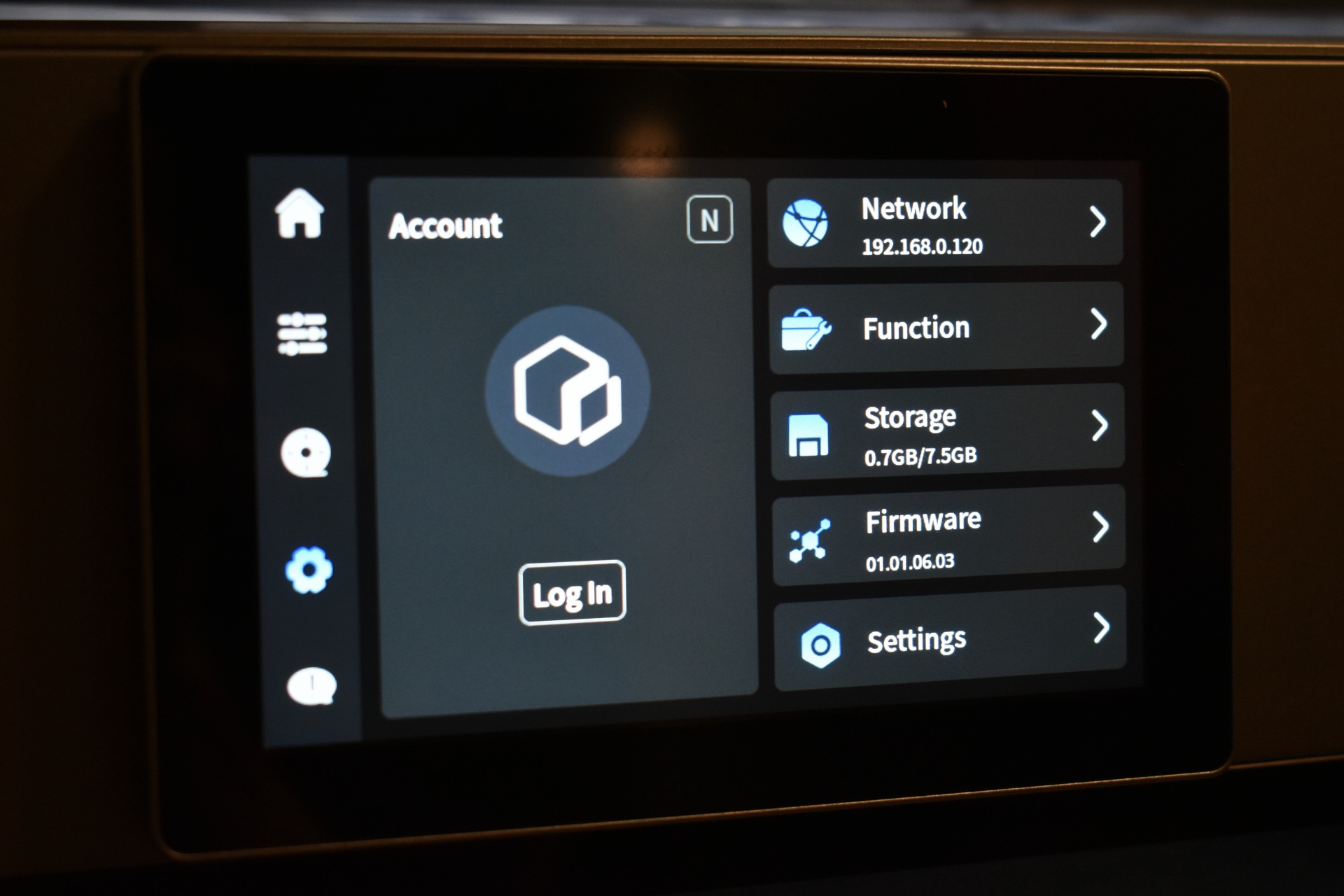
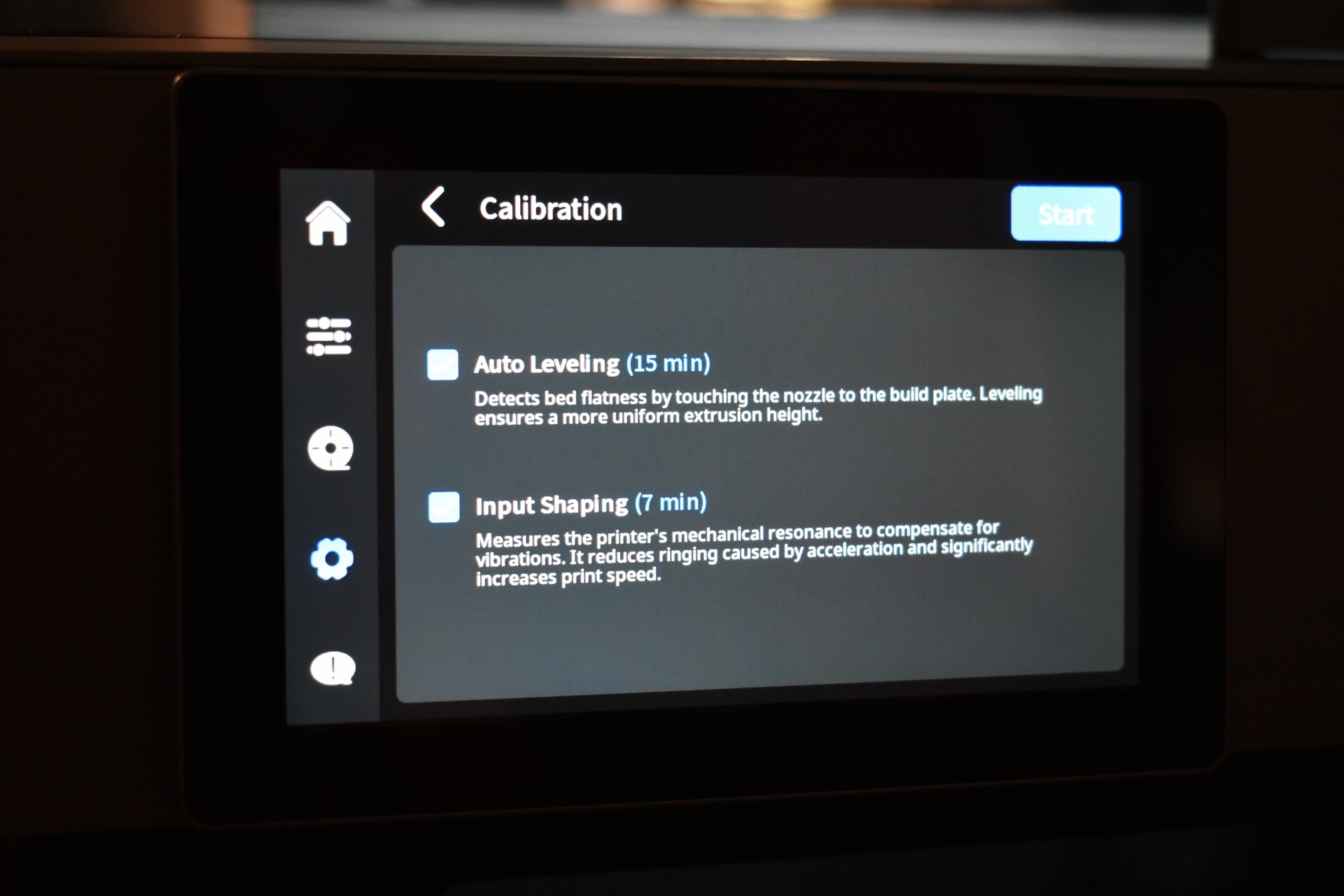
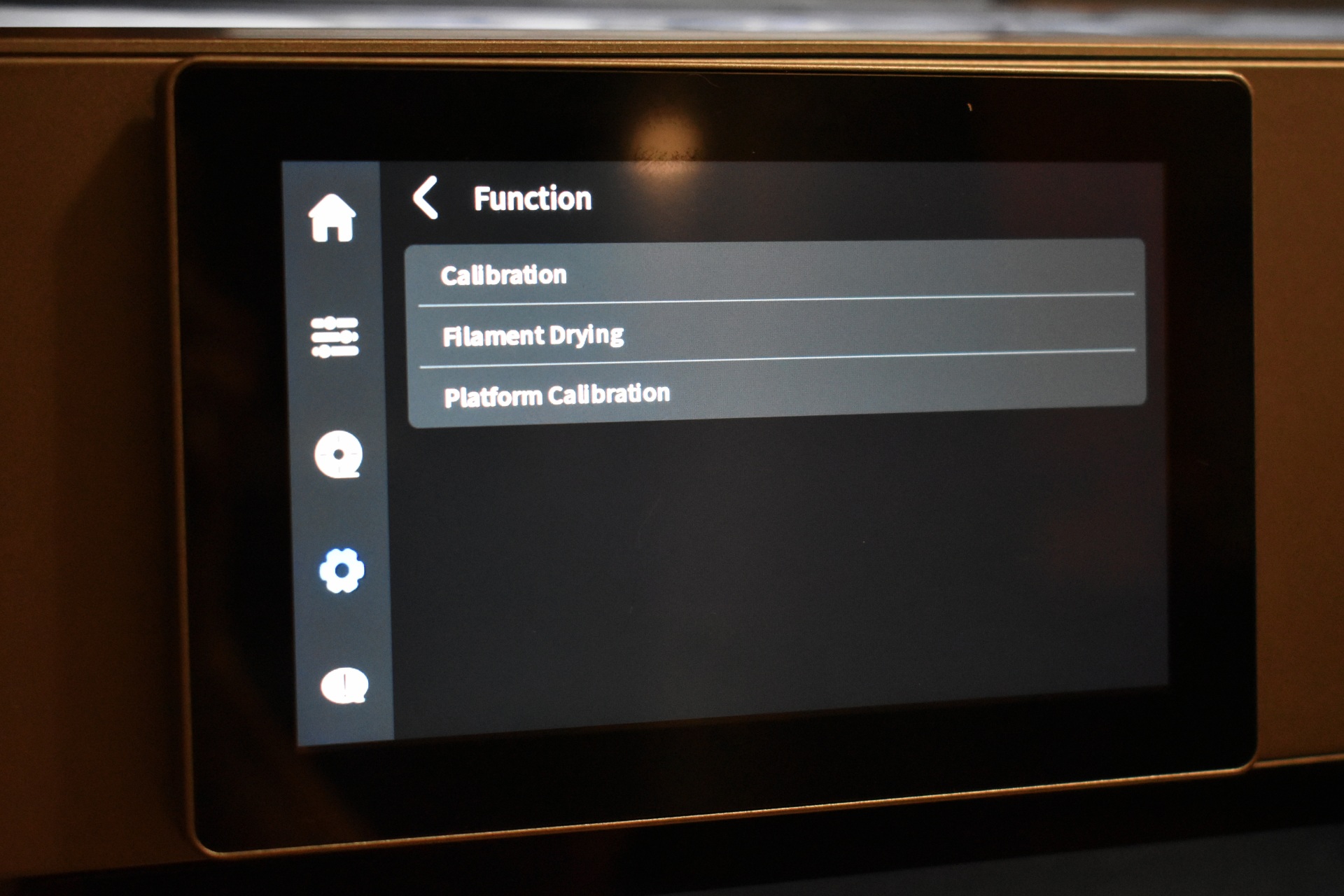
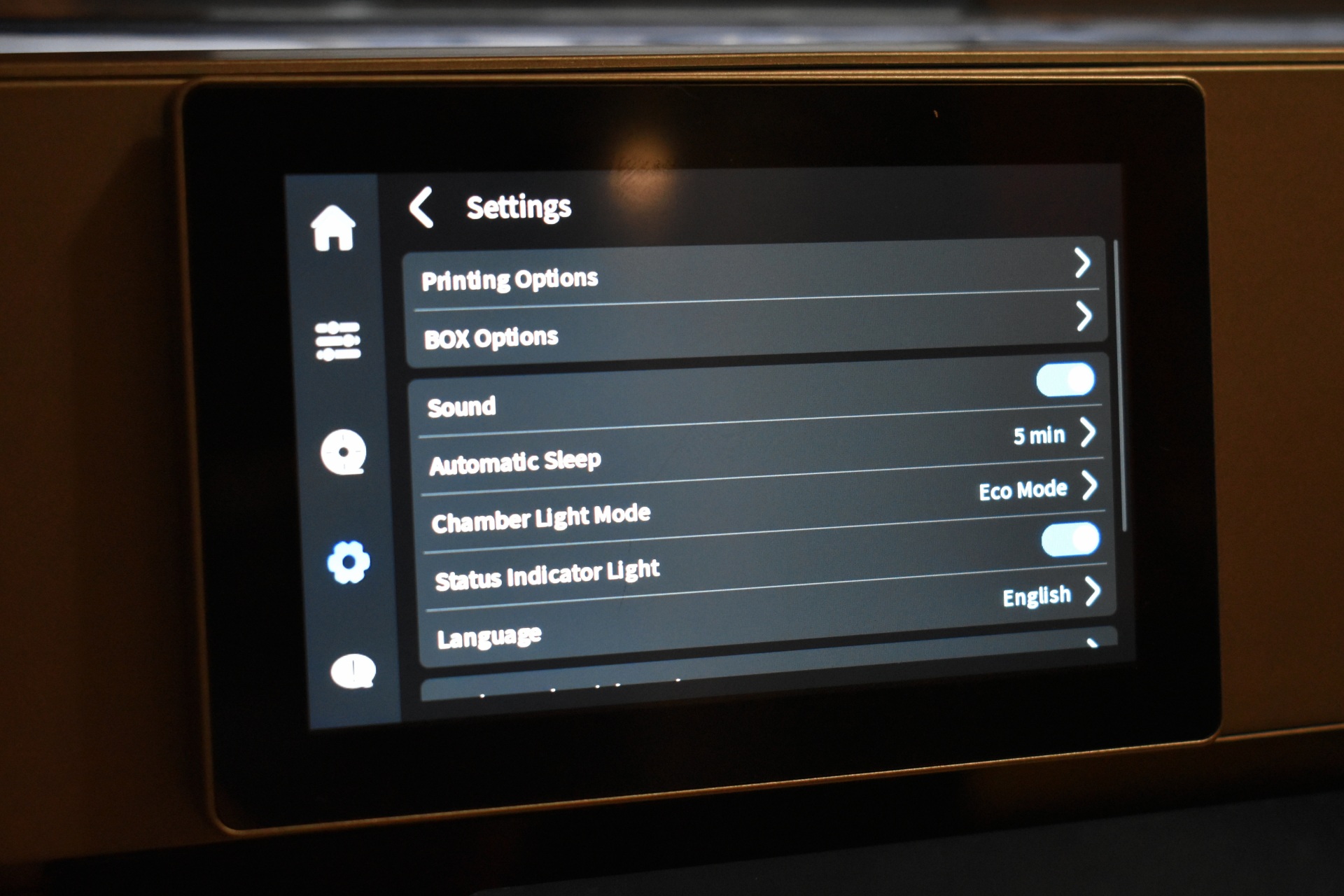
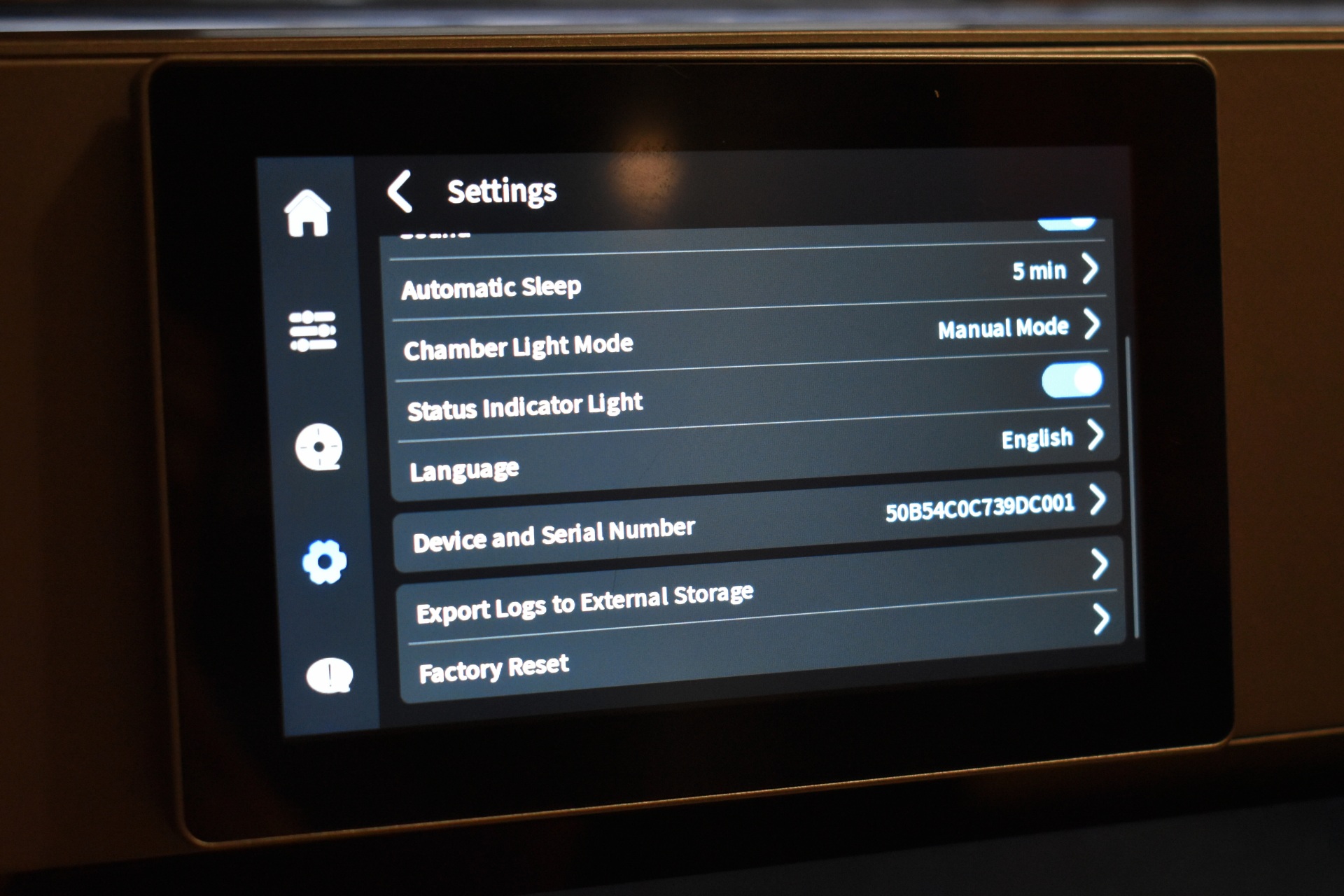
The settings tab includes the Wi-Fi, calibration, storage and general settings.
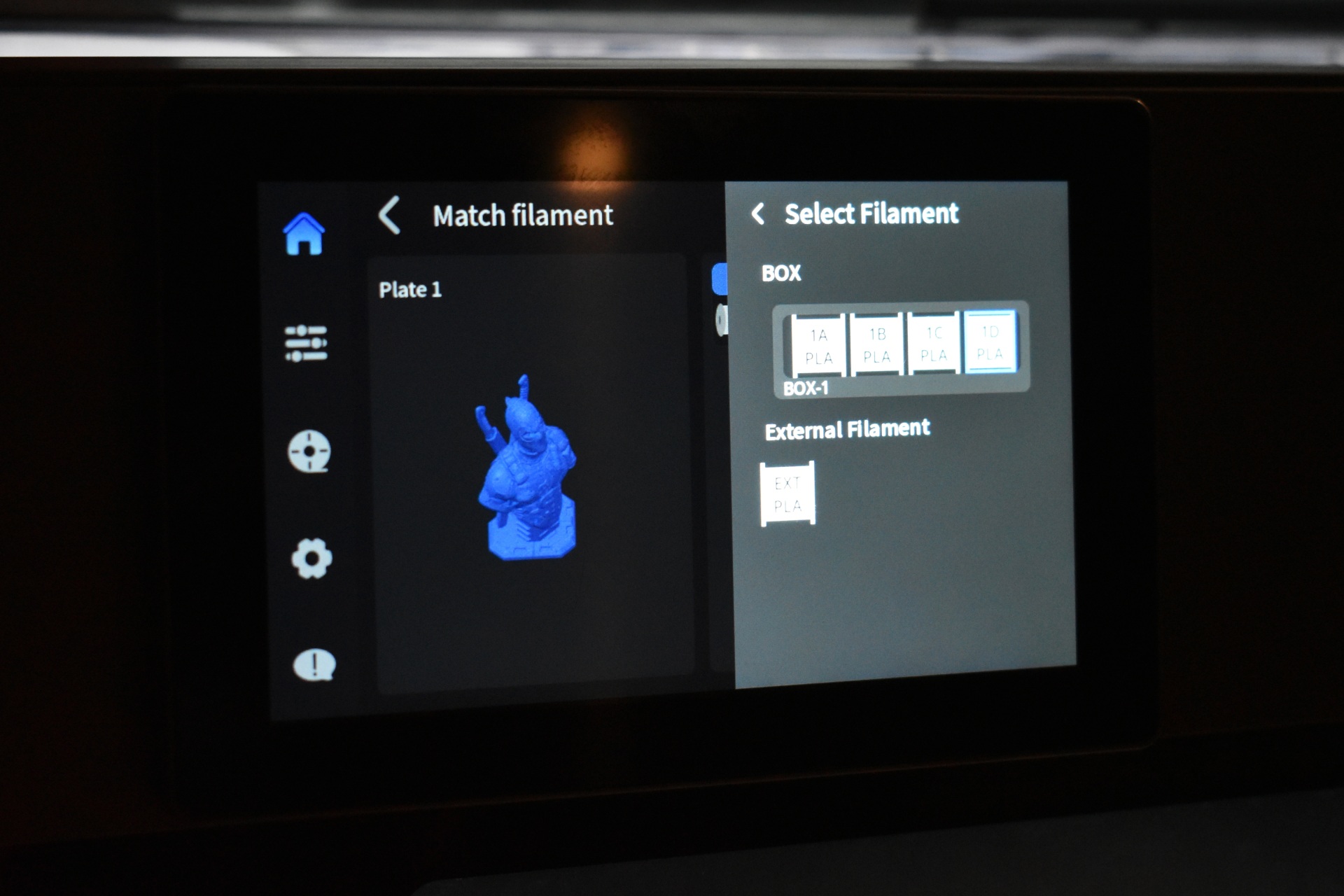
Finally, once you start printing you can choose what filament you want used.
TESTING METHODOLOGY
Once again to test this printer by QIDI I used their latest print software (QIDI Studio v2.5.2.5.0) by manually entering the same settings I’ve used to date with all FDM printers (quality of 0.16mm, 20% infill density and cubic infill pattern).
Nothing else has changed of course so again I’ll be using 2 different sized models (downloaded from Cults3D / member Eastman) to record completion time at 100% speed. Second thing to test are noise levels and so once again I’ll be using my ExTech HD600 decibel meter placed roughly 30cm away to record the maximum noise coming from the 3D printer while printing. As for the 3rd test with the help of an UPS and two power meters I decided to also record not only the lowest and highest but also the average instant power consumption of the 3D printer in my hands.
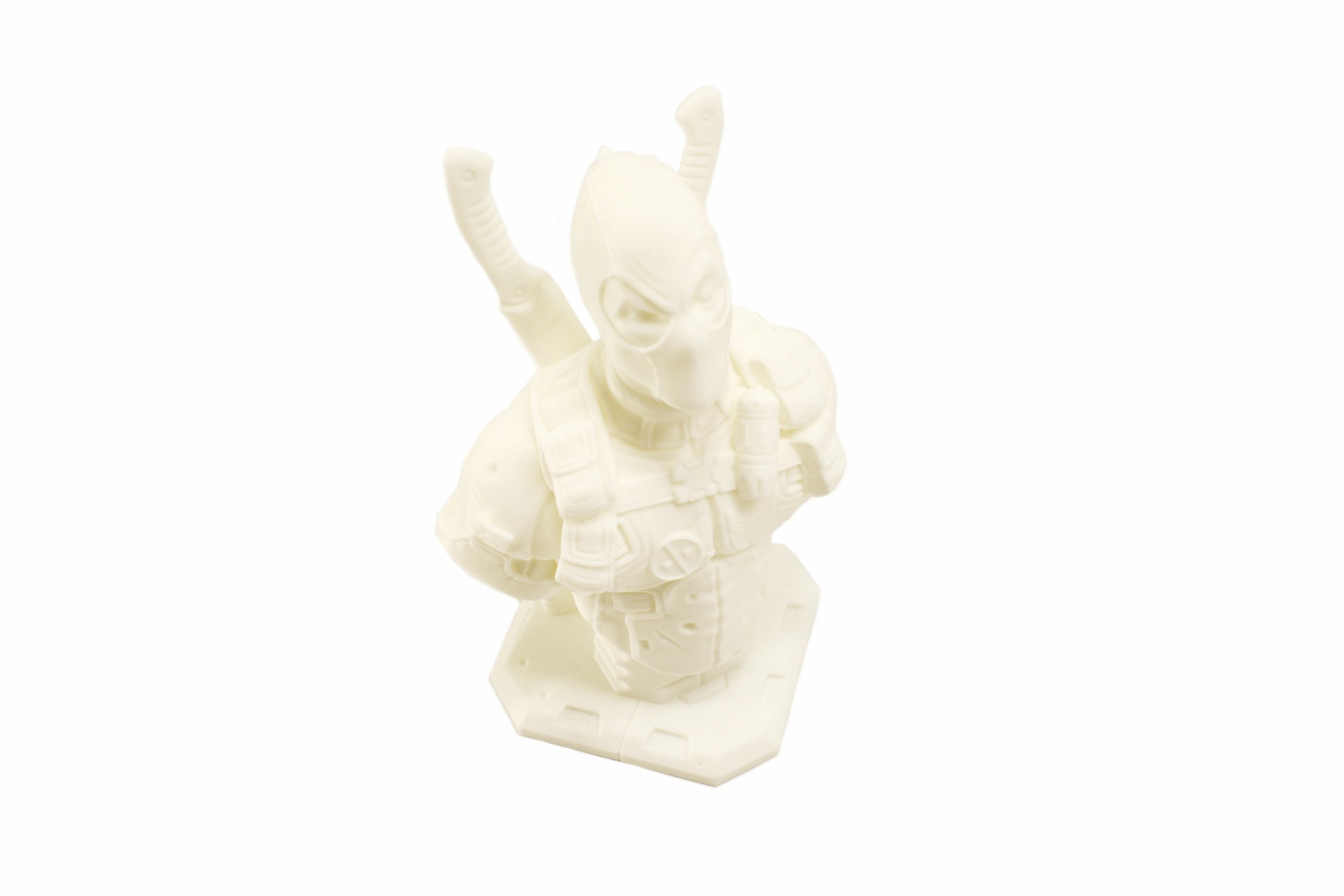
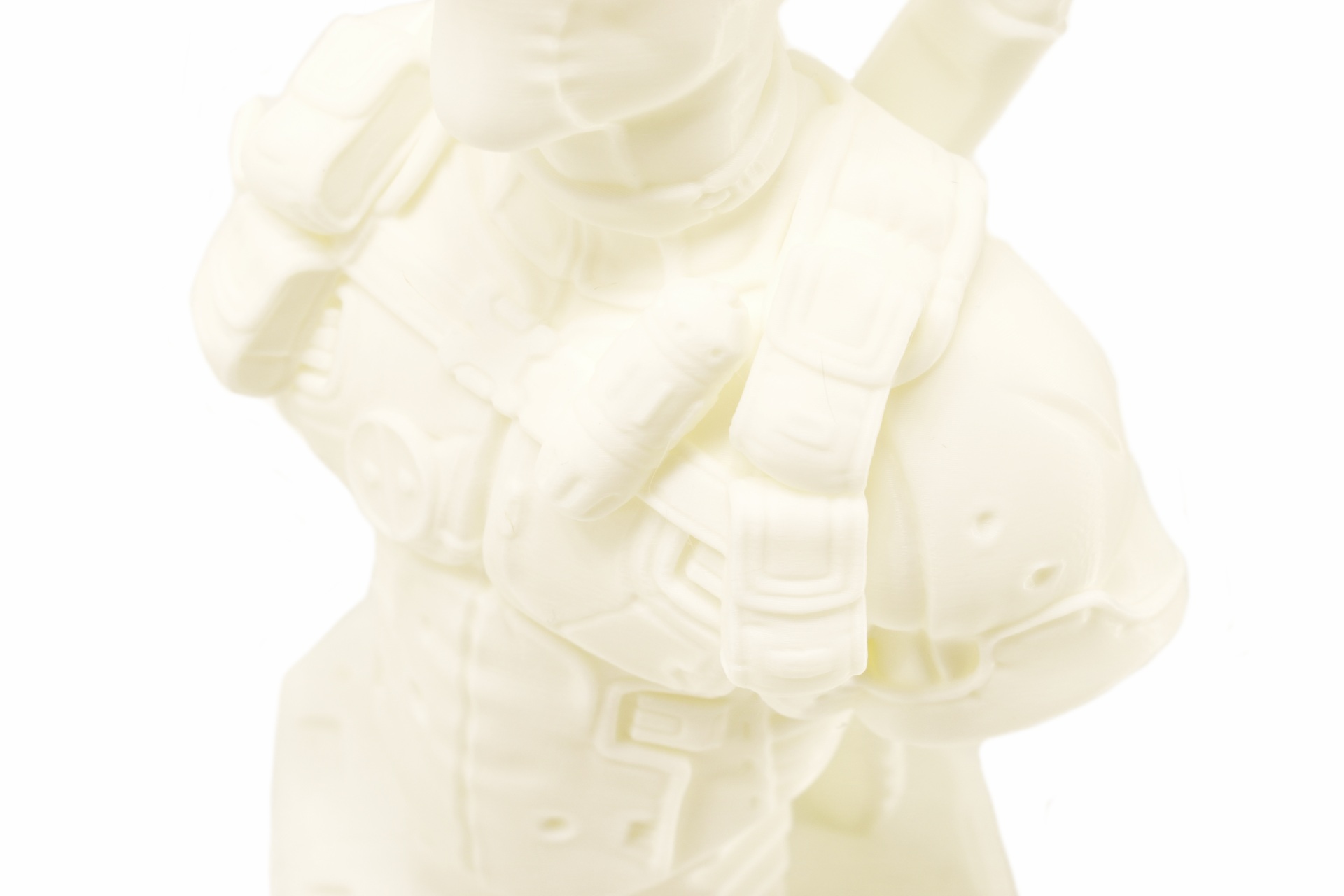
I was a bit surprised to see that the Max 4 Combo produced the smoothest 3D prints I’ve encountered, at least to date and with the same settings across all printers (even prior to using the Polar Cooler).
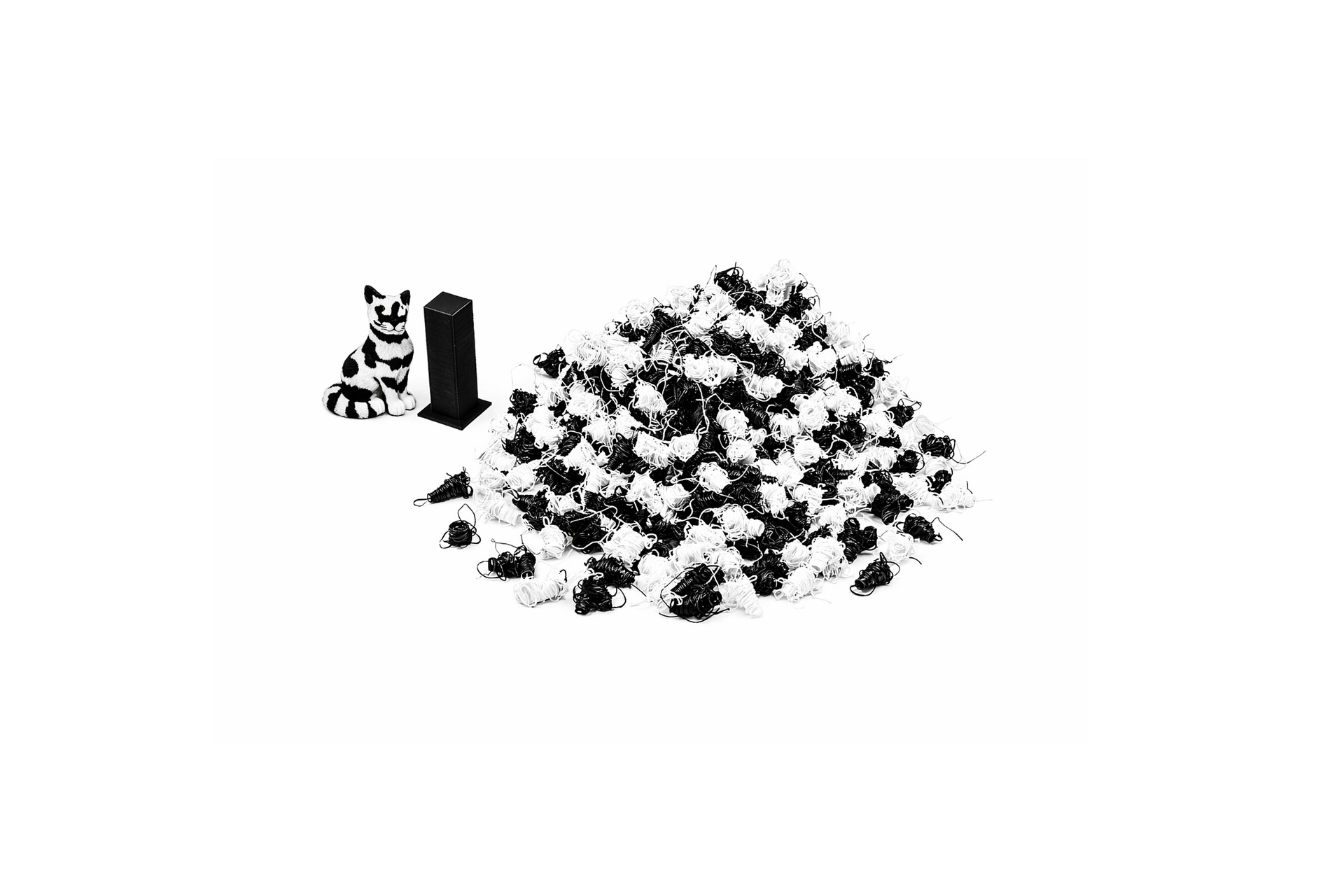
Just like with the K2 Pro and other multi-color printers as you can see from the above picture, filament waste is still a thing also with the Max 4 Combo. I did get slightly less waste when printing the same two models as with other printers but hardly worth mentioning (still like 9 times more than the filament required to print them).
TEST RESULTS
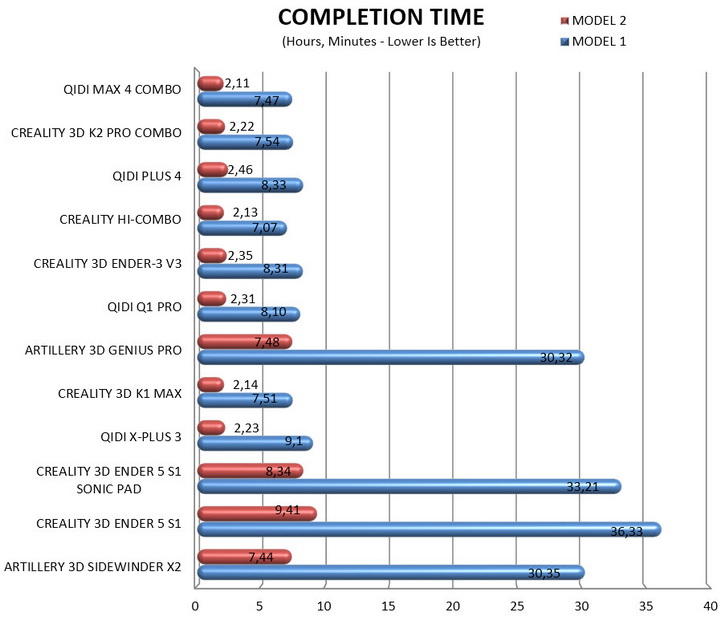
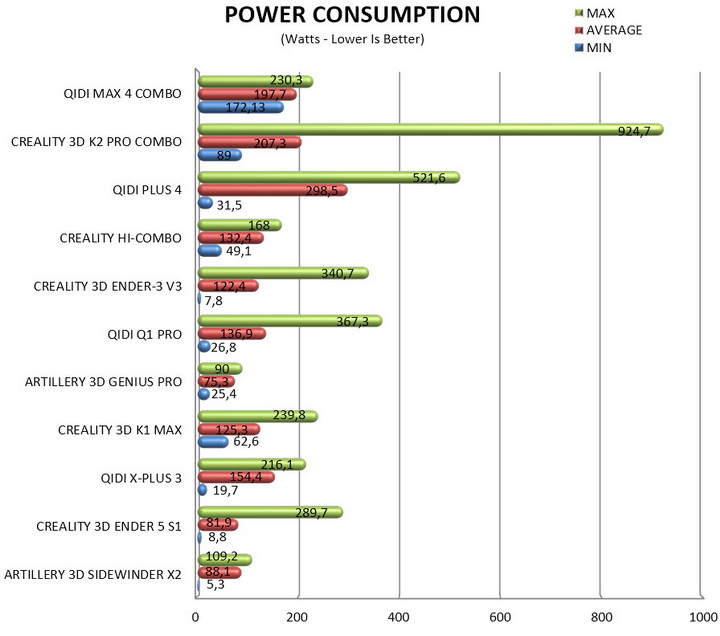
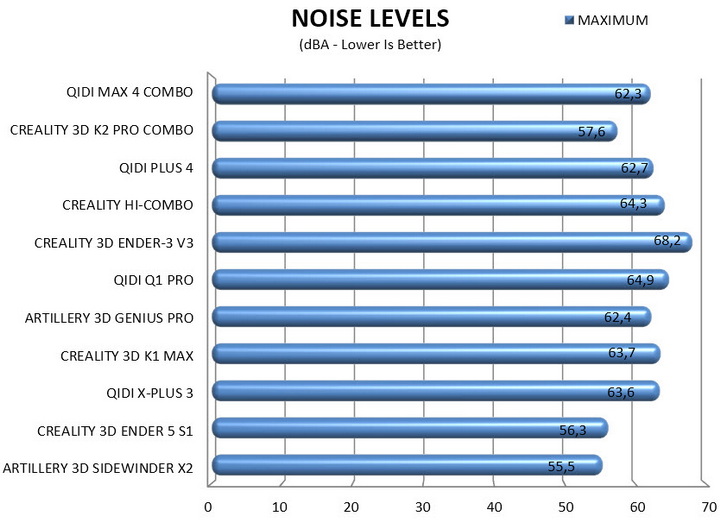
CONCLUSION
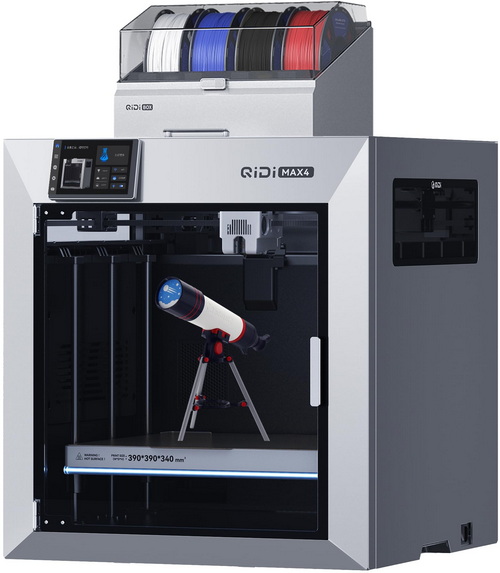
The QIDI MAX 4 COMBO lands as a genuinely capable high‑speed, high‑volume machine that delivers on its core promises. Its strengths are easy to appreciate, fast and smooth motion, consistently clean print surface quality, a large 390x390x340mm build area, and the practical benefits of the Polar Cooler, which keeps extrusion stable during long or high‑temperature jobs. Add the multi‑color capability via the QIDI box (although filament waste when printing multi-color models is still a thing) and the actively heated enclosure, and the Max 4 Combo becomes a flexible platform that handles everything from PLA to engineering‑grade materials with confidence. Still, it isn’t without friction points. Software bugs in relation to the slicer and firmware may occasionally interrupt an otherwise polished workflow (also the reason as to why I couldn’t use a timelapse for this review), the bottom handles aren’t the most ergonomic for moving a machine of this size and weight, and the need for separate power connections for both the box unit and the Polar Cooler adds a bit of cable clutter. Taken together, the Max 4 Combo stands out as a fast, spacious, and well‑engineered printer whose minor quirks are outweighed by its performance and versatility.
Right now, the Max 4 Combo by QIDI retails for USD1199 inside the USA (us.qidi3d.com – plus a 5% discount when you subscribe to their newsletter) and for 1199Euros inside the EU (eu.qidi3d.com – 5% discount also available) and so it’s priced more or less the same as its direct competition (keep in mind that the Polar Cooler is sold extra for USD179.10/179.10Euros). Cost aside whether it’s speed, print quality, print size, enclosure features and multi-color prints the QIDI Max 4 Combo delivers as advertised and for that it gets the Golden Award.

PROS
- Good Build Quality
- Very Fast (Up To 800ms Speed / 30000ms Acceleration)
- Box Addon (4 Filaments Per Box / Up To 16 Filaments)
- Print Quality (Smoothest Output To Date)
- Large Heated & Flexible Dual Sided PEI Print Plate (390x390x340mm)
- Temperature Controlled Chamber (65°C)
- Polar Cooler Addon (Extra)
- High Speed Dual Gear Direct Drive Extruder
- Automatic Leveling
- 1080P AI Camera
- 5” Inch HD Color Touch Screen Display
- Air Purifier
- RFID Sensor
- 2.4GHz/5GHz WiFi, RJ45 Ethernet & USB Port
CONS
- Nozzle Cleaning Noise (For Some)
- Number Of Tubes & Wires (For Some)
- Software Glitches (Currently)
- Size & Weight (For Some)