



INTRODUCTION
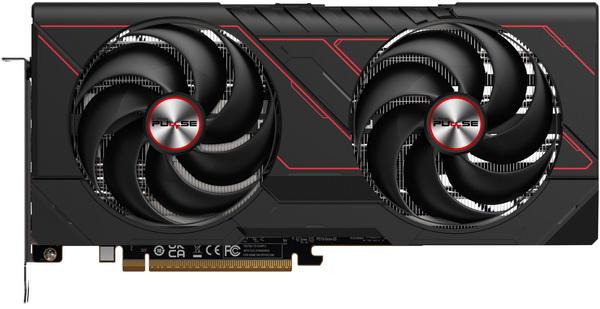
The graphics card market has settled into a more mature phase following the introduction of AMD's Radeon RX 9000 series and NVIDIA's GeForce RTX 50 family. What were once the industry's latest launches have now had ample time to establish themselves, allowing gamers and enthusiasts to better understand the strengths, weaknesses and positioning of each product. With both manufacturers expected to shift attention towards future generations in the coming years, the current line-up represents a relatively stable and well-understood landscape where buyers can make purchasing decisions based on real-world performance rather than launch-day expectations. Competition remains fierce across every price segment. AMD continues to leverage its RDNA 4 architecture with a strong emphasis on traditional rasterisation performance, improved ray tracing capabilities and an expanding suite of software-driven features, while NVIDIA's Blackwell-based GeForce RTX 50 series continues to promote advanced AI-assisted technologies alongside competitive gaming performance. As a result, consumers have access to a wider range of capable graphics cards than ever before, whether targeting high refresh rate gaming at 1080p, demanding 1440p workloads or smooth 4K experiences. Today we're taking a closer look at the SAPPHIRE PULSE AMD Radeon RX 9070 GRE, a custom implementation of AMD's Radeon RX 9070 GRE that aims to deliver a balanced blend of performance, efficiency and value within the increasingly crowded upper-midrange graphics card segment.
SAPPHIRE Technology continues to be a world leading manufacturer and global supplier of innovative graphics and mainboard products, delivering its AMD Radeon based products to the PC market addressing gaming and performance graphics hardware enthusiasts, as well as delivering an array of embedded technology solutions and commercial graphics products.
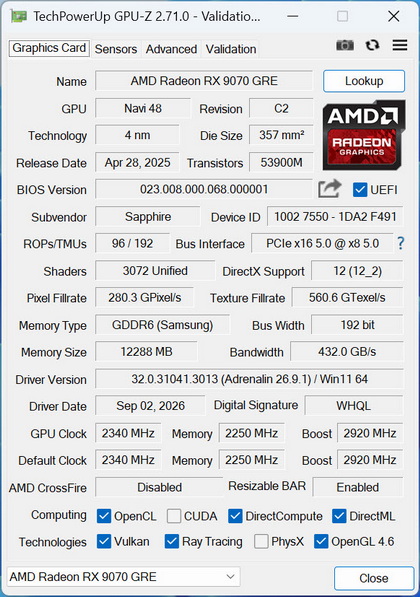
The Radeon RX 9070 GRE is based on AMD's Navi 48 graphics processor and RDNA 4 architecture, sharing many of the same technologies and features found across the rest of the Radeon RX 9000 series. As such, it supports AMD's latest gaming ecosystem, including FSR 4 AI-powered upscaling, HYPR-RX for simplified performance optimization, Fluid Motion Frames 2.1 frame generation technology, Radeon Anti-Lag 2 and a growing collection of AI-assisted rendering enhancements designed to improve image quality and responsiveness. Unlike the more powerful Radeon RX 9070 XT, however, the RX 9070 GRE is configured with 48 RDNA 4 Compute Units, 3072 Stream Processors, 48 Ray Accelerators, 96 AI Accelerators, 192 Texture Mapping Units and 48MB of Infinity Cache. Memory capacity is reduced to 12GB of GDDR6 operating across a 192-bit memory interface at 18Gbps, delivering bandwidth figures more appropriate for the card's intended position in AMD's product stack while maintaining support for modern high-resolution gaming workloads. As expected, AMD's Out-of-Order Memory Queuing technology remains present, helping improve ray tracing efficiency by reducing memory request bottlenecks. For its custom implementation, Sapphire equips the PULSE Radeon RX 9070 GRE with many of the same design elements found on its higher-end offerings. The Dual-X Cooling solution combines two Dual-Ball Bearing fans utilizing the company's latest AeroCurve fan blade design with Optimized Composite Heatpipes, an Integrated Cooling Module and Honeywell PTM7950 Thermal Interface Material for efficient heat transfer and long-term thermal performance. Sapphire has also included its FrameDefense reinforced mechanical structure, a metal backplate for increased rigidity, a 12-layer High TG Copper PCB, Digital Power Design circuitry and onboard Fuse Protection designed to enhance electrical reliability and operational stability. Clock speeds are set at up to 2200MHz Game Clock and up to 2790MHz Boost Clock, while total board power is rated at up to 220W, considerably lower than the RX 9070 XT. Finally, connectivity is handled by two DisplayPort 2.1a outputs and two HDMI 2.1b ports, allowing the PULSE Radeon RX 9070 GRE to support the latest generation of high-refresh-rate and high-resolution displays.
SPECIFICATIONS AND FEATURES

PACKAGING AND CONTENTS

For the Radeon RX 9070 GRE SAPPHIRE uses a black and purple box that has their logo at the front along with the model name and available VRAM.

At the rear we find the card’s key features and system requirements.

Typically, the card is wrapped inside a static-free bag and placed between 2 pieces of foam.

This is the first open-box sample I’ve received by SAPPHIRE which as you can all see arrived with just the PULSE AMD Radeon RX 9070 GRE and the quick installation guide (don’t know what else should be in the bundle).
THE PULSE AMD RADEON RX 9070 GRE 12GB OC

The Pulse AMD Radeon RX 9070 GRE OC by Sapphire is a dual-slot card (2.5 to be precise) that measures 280mm in length, 120.25mm in height and 51.5mm in thickness.

For this model SAPPHIRE has used two Dual-Ball bearing fans on the card that feature their latest AeroCurve blades.

For cooling the Pulse AMD Radeon RX 9070 GRE OC features two large heatsinks with 4 optimized composite heatpipes passing through them (just like all Pulse models in the past the company and model names are printed at the top).

As expected, this model also uses two 8-pin (6+2) power connectors.

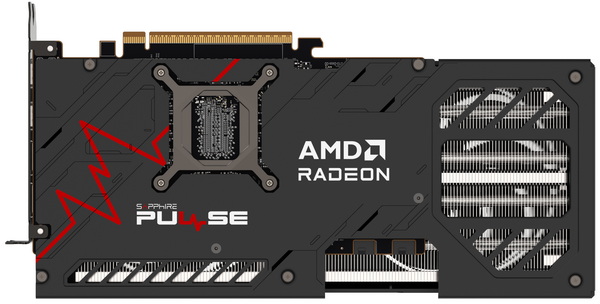
Roughly 70% of the cards rear is covered by a plate (again, no illumination here).

At the front of the card, we find the two DP v2.1a and two HDMI v2.1b video outputs.

Just like with past Pulse models by SAPPHIRE the Pulse Radeon RX 9070 GRE OC doesn’t feature any RGB zones.
TRIXX V11.2
The TRIXX software may have reached version 11.2 but it still remains more or less the same.
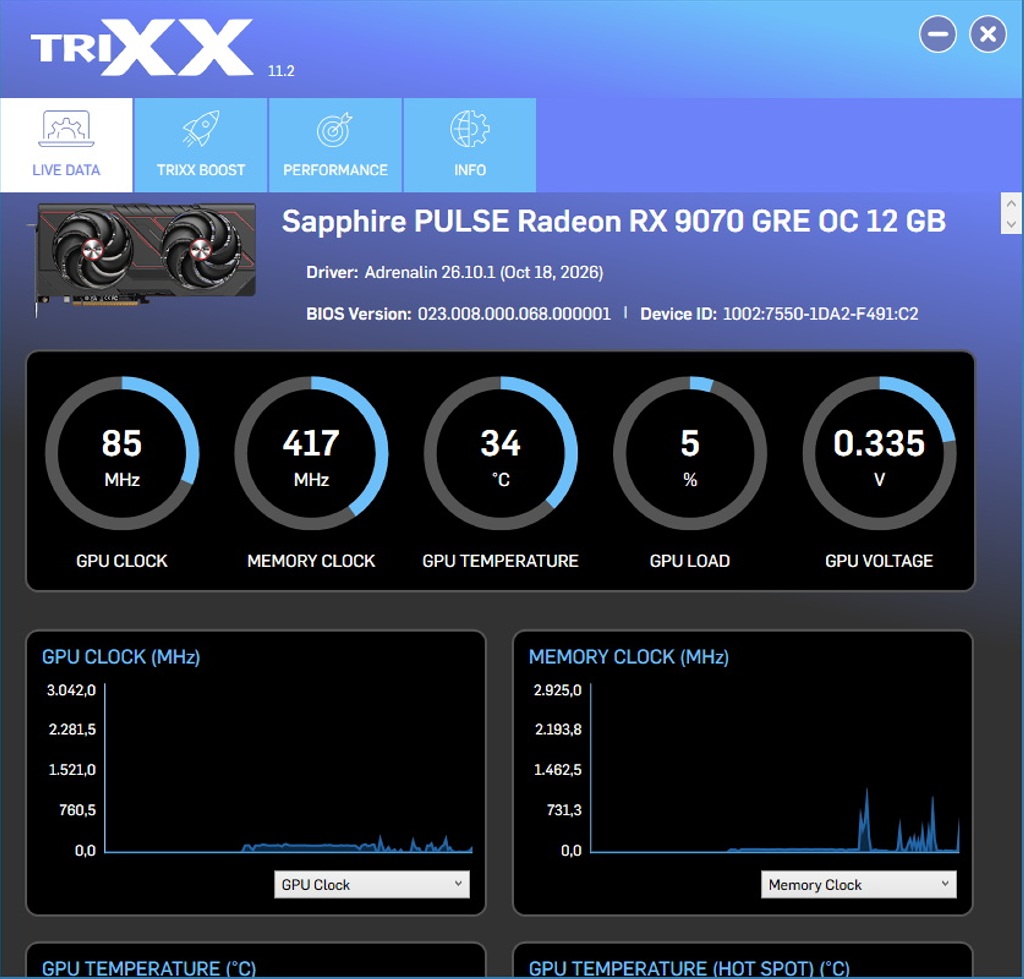
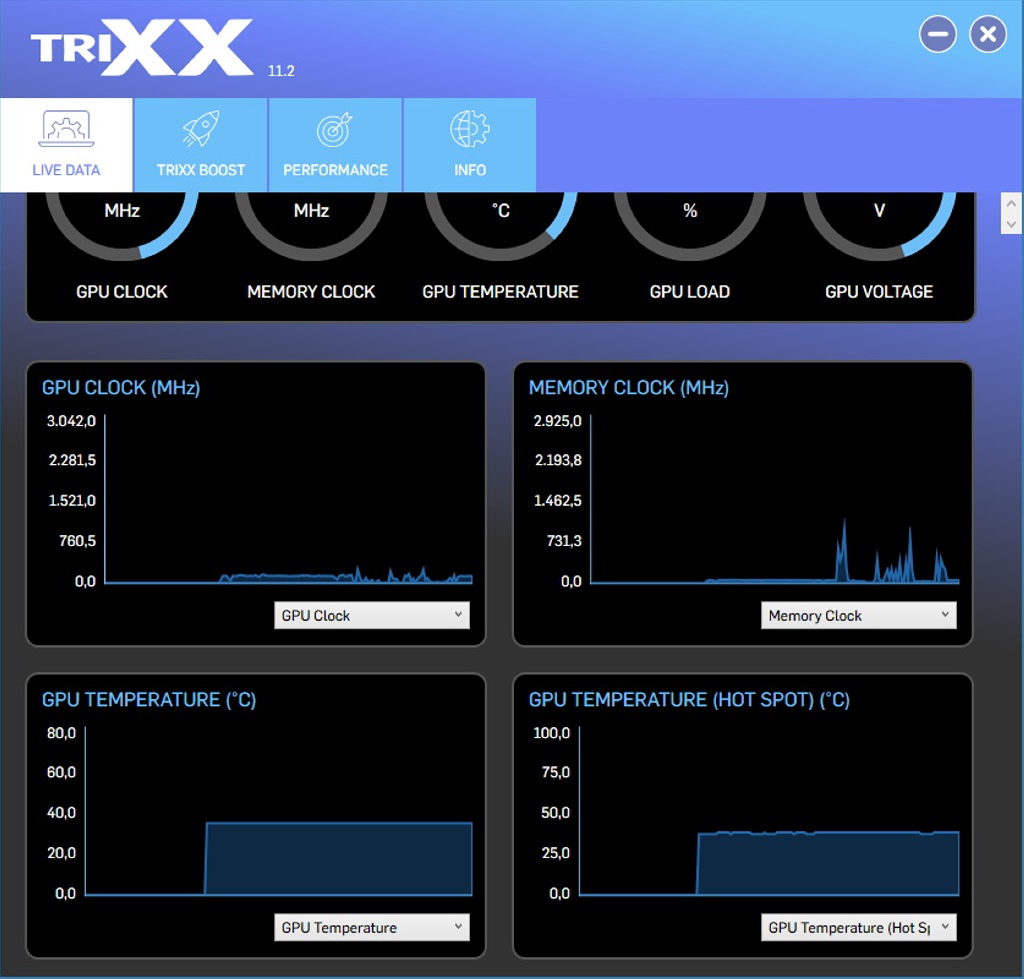 The live data tab is basically a GPU monitor.
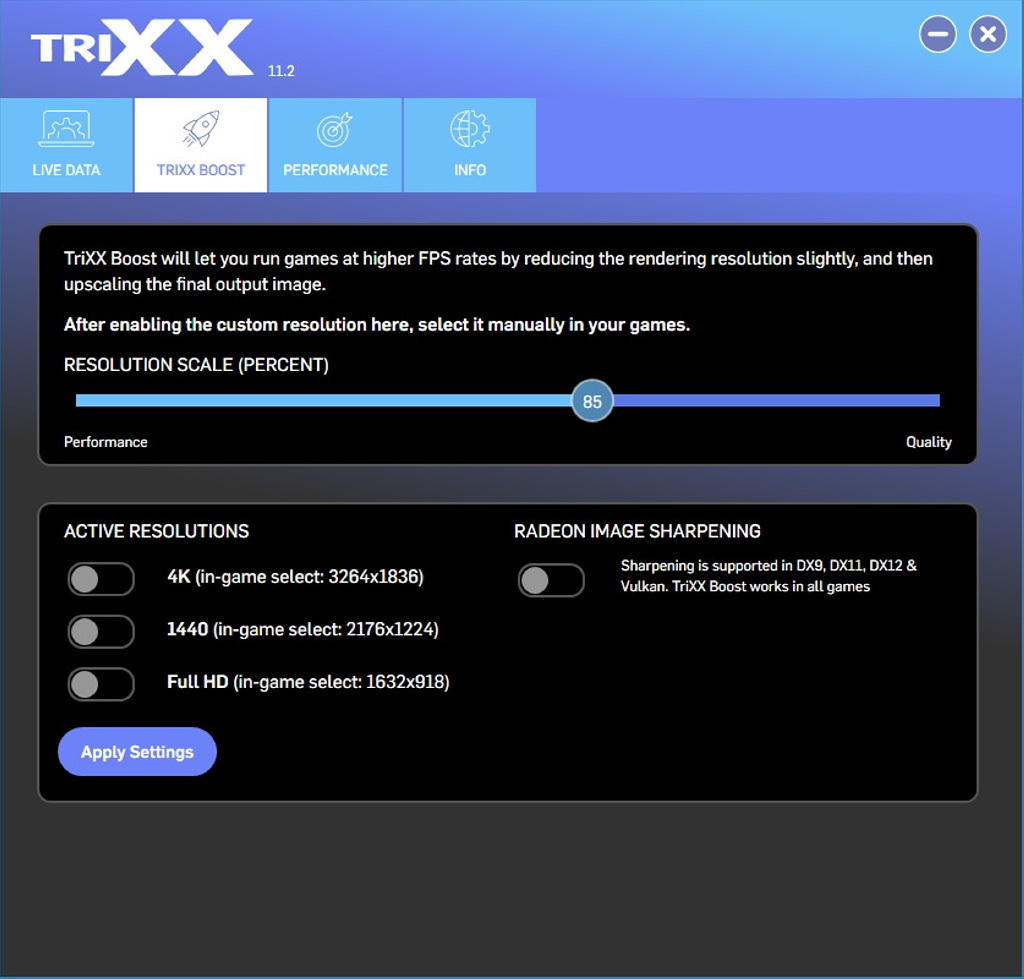
TRIXX boost tab allows the end user to adjust resolution scale to increase performance (and to also enable/disable image sharpening).
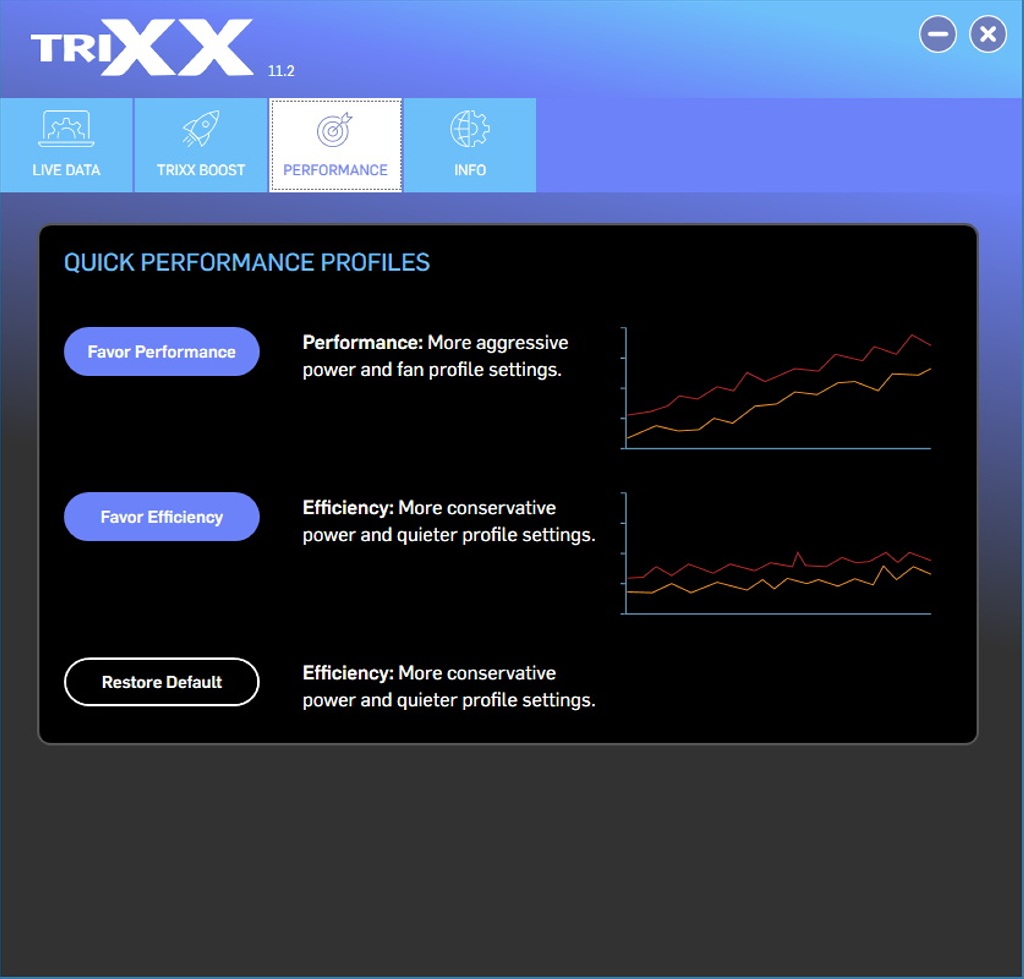
The performance tab can be used to favor performance or efficiency.
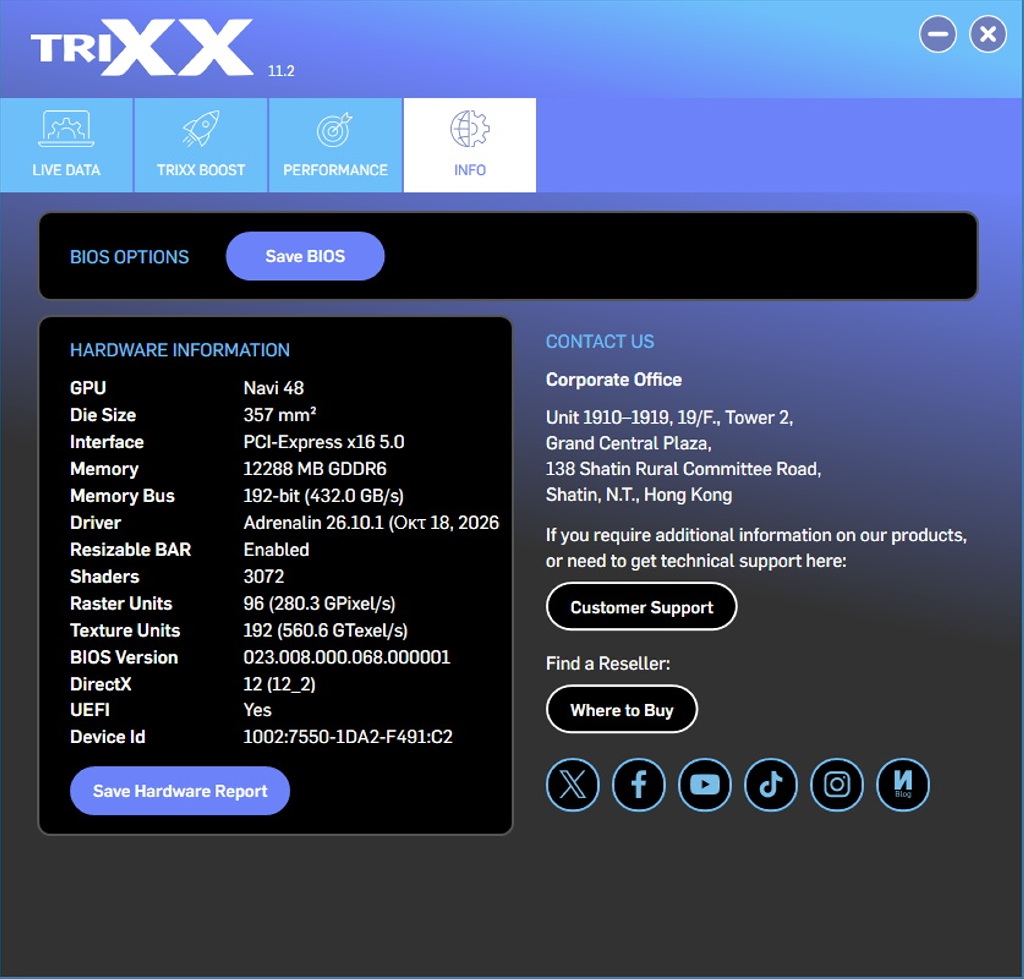
Finally, the info tab contains the card’s specifications and contact details for SAPPHIRE.
TEST BED

TESTING METHODOLOGY
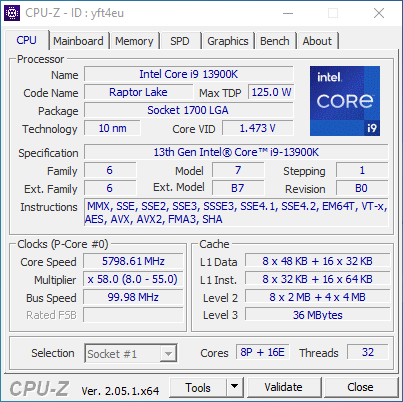
Since I changed my graphics card test rig i decided to tweak things a bit and so the entire testing methodology has changed. So, for the foreseeable future for tests, I’ll be using the EV3285 monitor by EIZO (later on I may also add tri-monitor results since I do have 2 cockpits here in the lab) for 2160p UHD (3840x2160p), 1440p (2560x1440p) and 1080p Full HD (1920x1080p) tests. Needless to say, since most of you voted for it, I’ll also be using the Intel Core I9-13900K (5.8GHz P/4.7GHz E/4.9GHz RING), EVGA Z790 DARK test rig which I’ve completed with the Kingston FURY RENEGADE 32GB DDR5 7200MHz CL38 dual-channel kit.
Most games have also been changed so instead of manually testing every single one (and always allowing a small percentage of error) i chose all the latest ones to feature a built-in benchmark. In certain cases, built-in benchmarks may perform better than in-game, but my purpose is comparison and not what one can expect in terms of in-game performance. So, this list includes Chernobylite, Cyberpunk 2077, F1 2022, Far Cry 6, Forza Horizon 5, Guardians Of The Galaxy, Horizon Zero Dawn CE, Metro Exodus Enhanced Edition, Red Dead Redemption 2 and Returnal. Also, since some of you have asked for Synthetic benchmarks in the past, I’ll also be using Speed Way and Port Royal from 3D Mark.
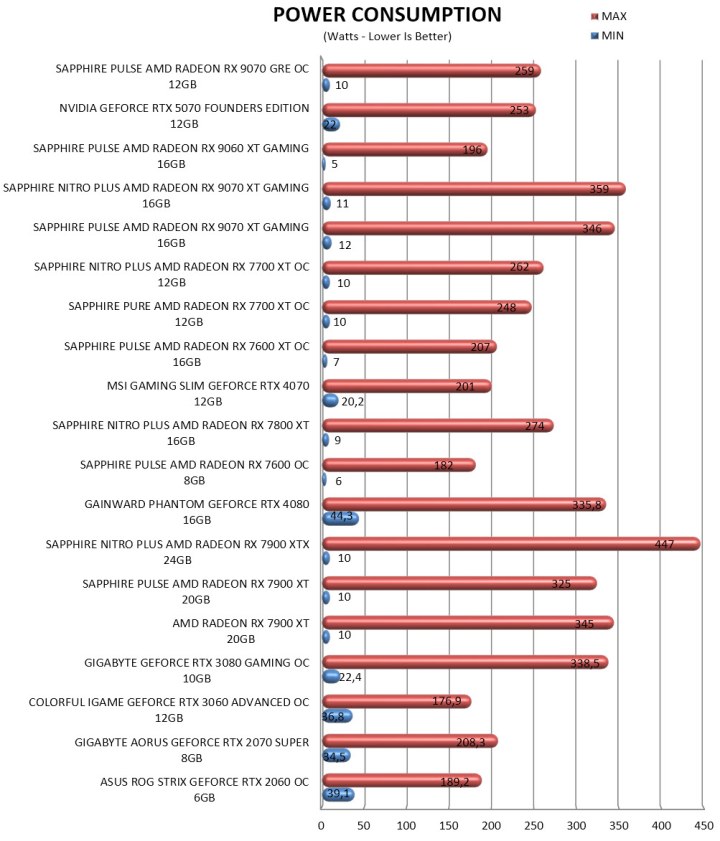
As with the past options like power saving, sharpness, overlays and even zero fan mode are all disabled in the cards we’re testing (to achieve the purest and maximum performance) and all tests are repeated a total of 3 times in a fresh Windows 10 Pro installation with all updates installed until the day of our review (same as all the games used). Room temperature is as usual controlled and steady at 23 degrees Celsius for all tests and to record the temperatures of the cards we used AIDA64, and GPU-Z. Recording noise levels is done with an ExTech HD600 dBA meter from a distance of just 15cm away while power consumption is measured again using GPU-Z and monitoring devices.
TEST RESULTS – SPEED WAY

3DMark Speed Way’s engine is assembled to demonstrate what the latest DirectX API (12 Ultimate) brings to ray traced gaming, using DirectX Raytracing tier 1.1 for real-time global illumination and real-time raytraced reflections, coupled with new performance optimizations like Mesh Shaders.
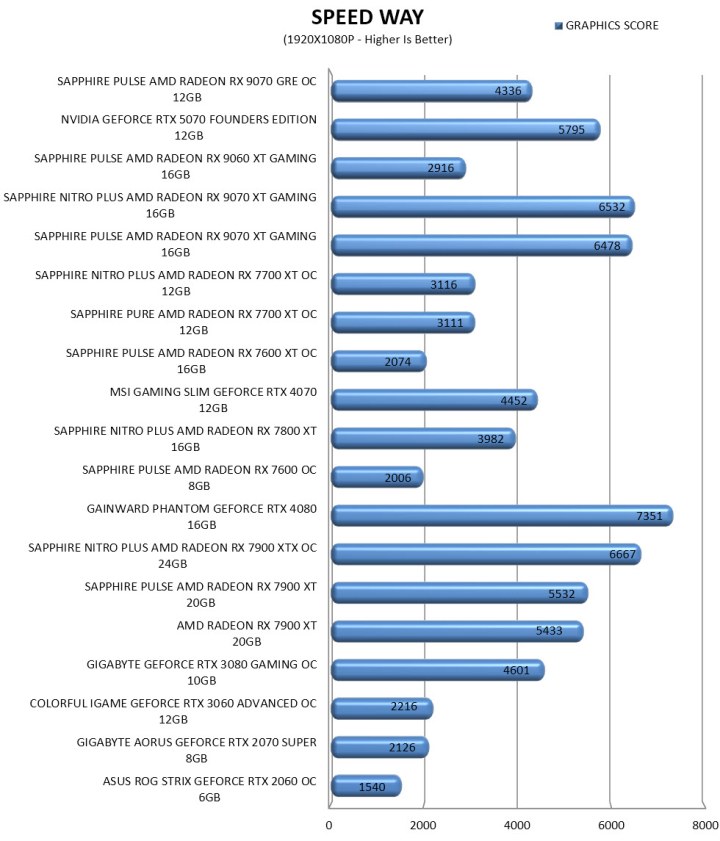
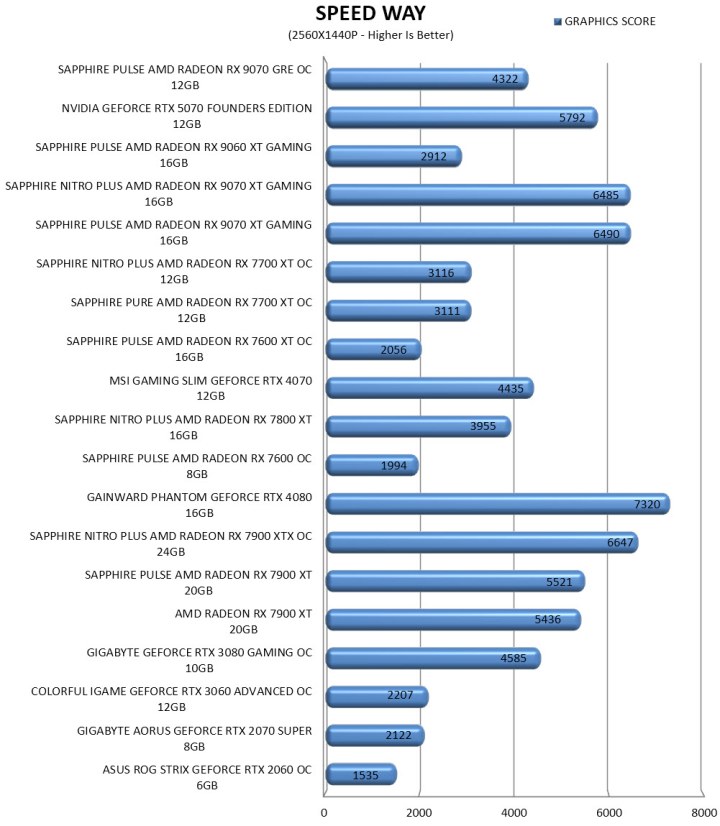
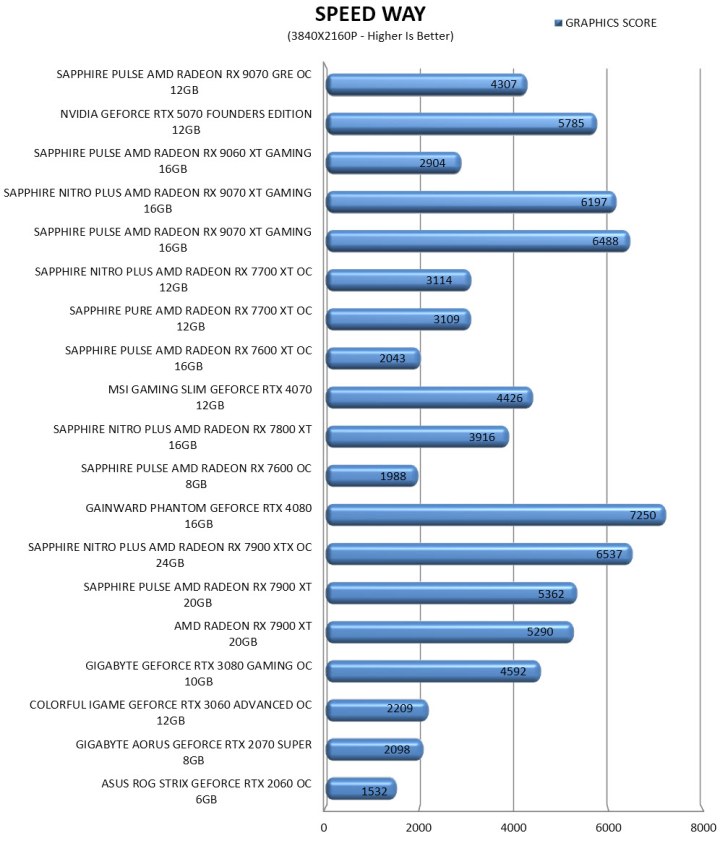
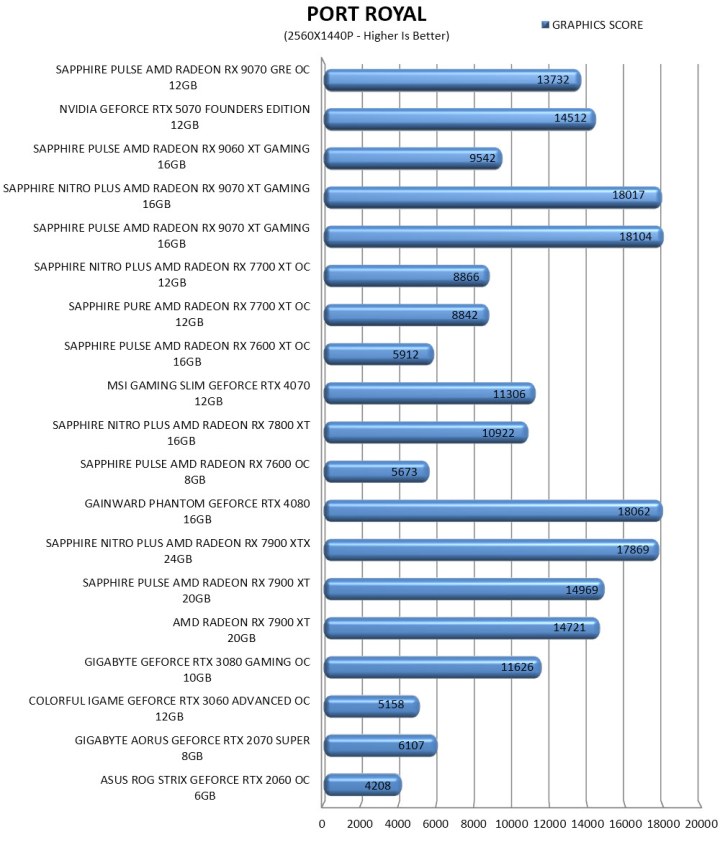
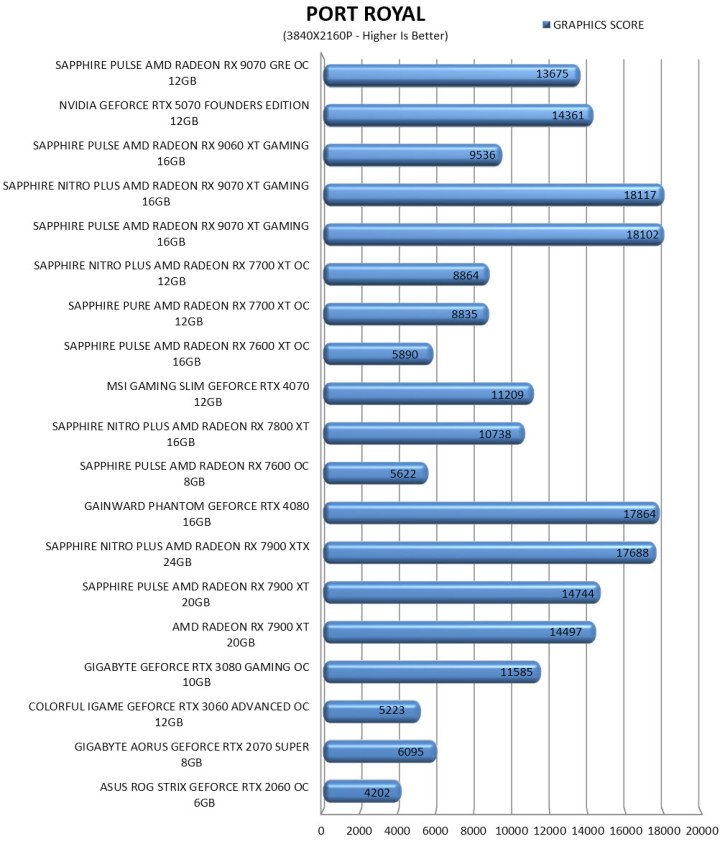
TEST RESULTS – PORT ROYAL

3DMark Port Royal is the world’s first real-time ray tracing benchmark for gamers. It shows you how well your PC handles ray tracing effects in real-time.
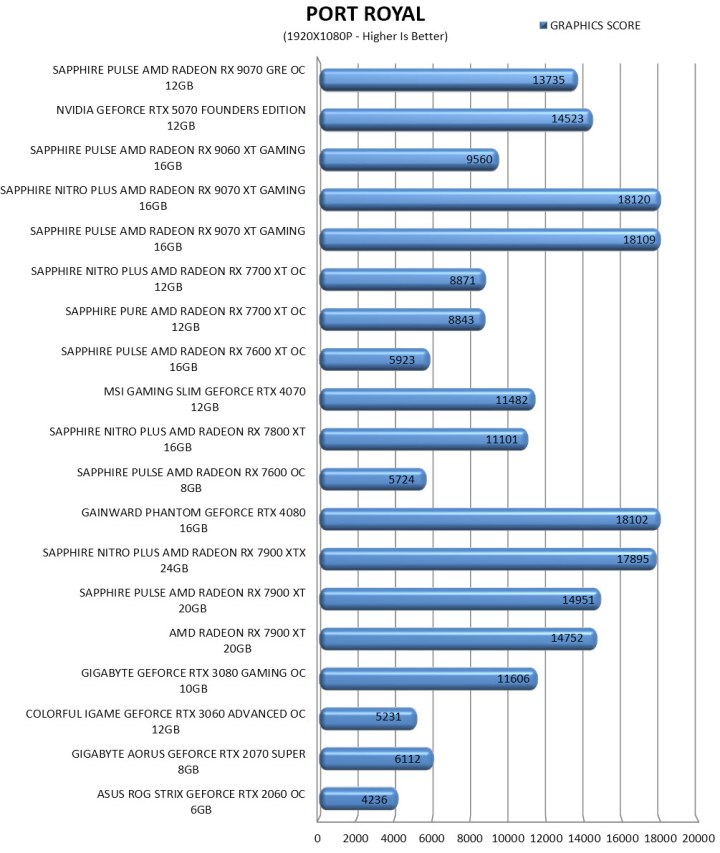
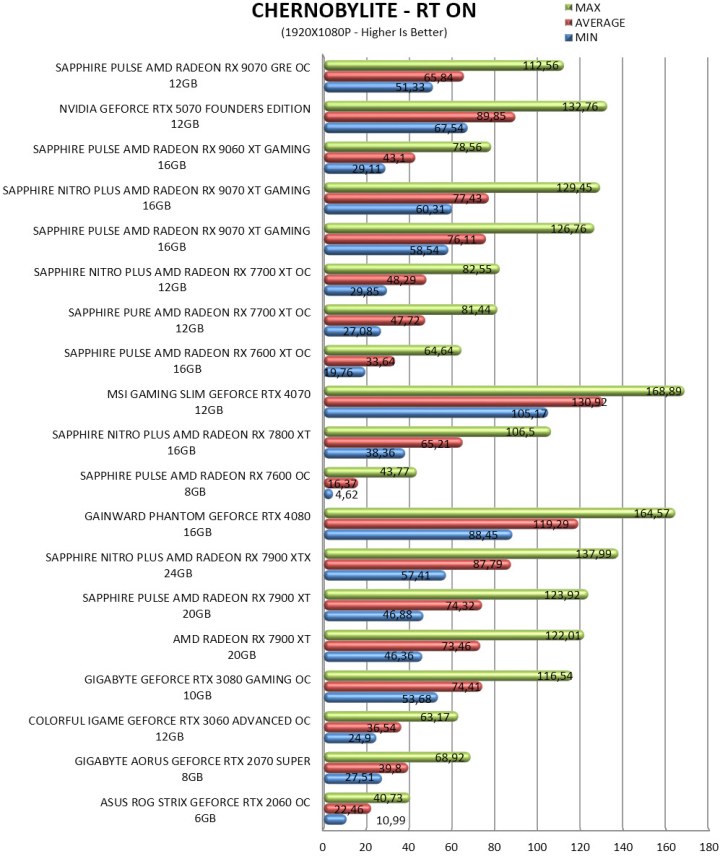
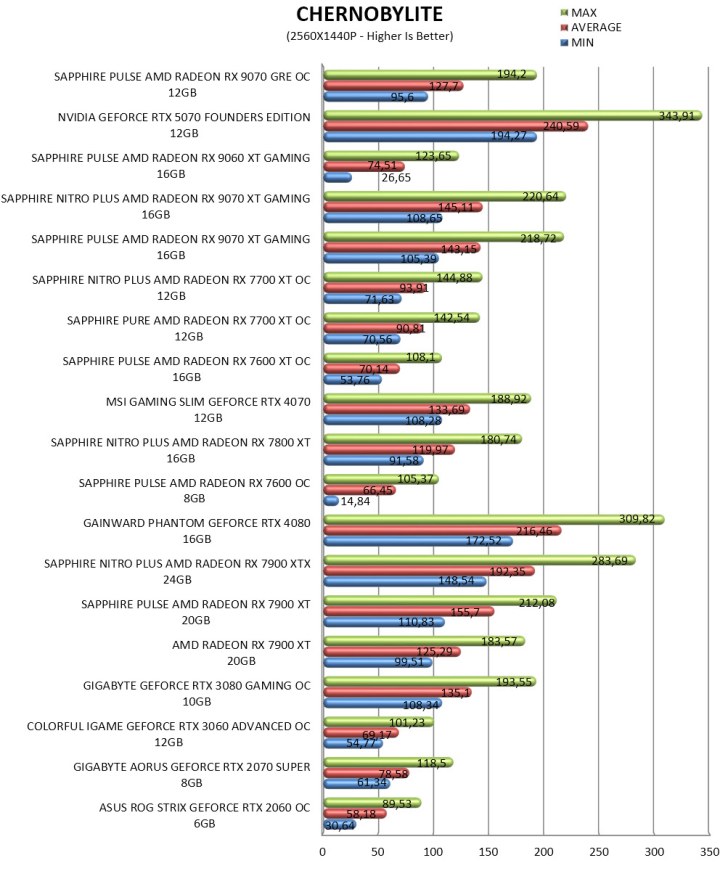
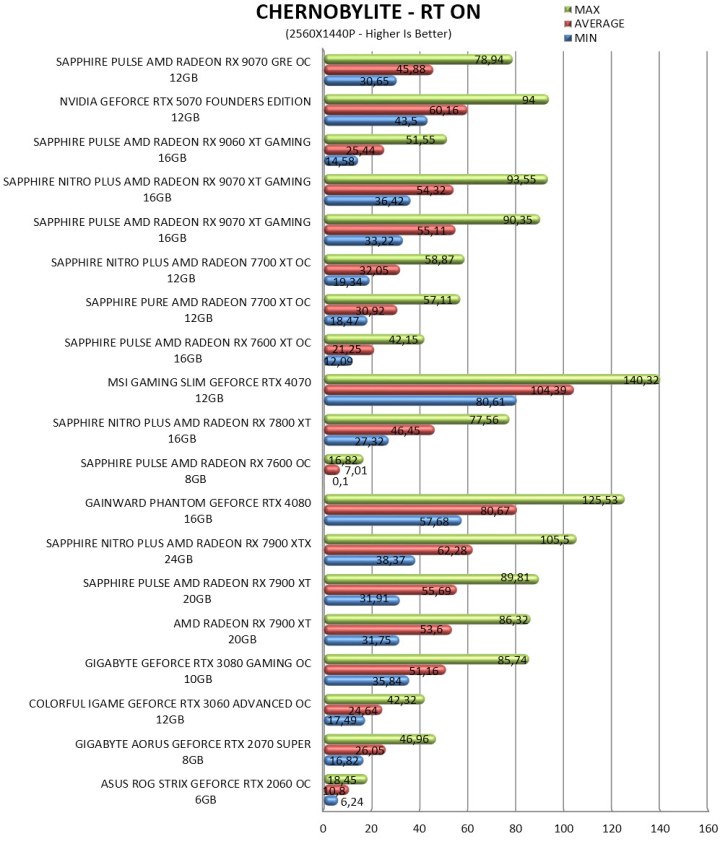
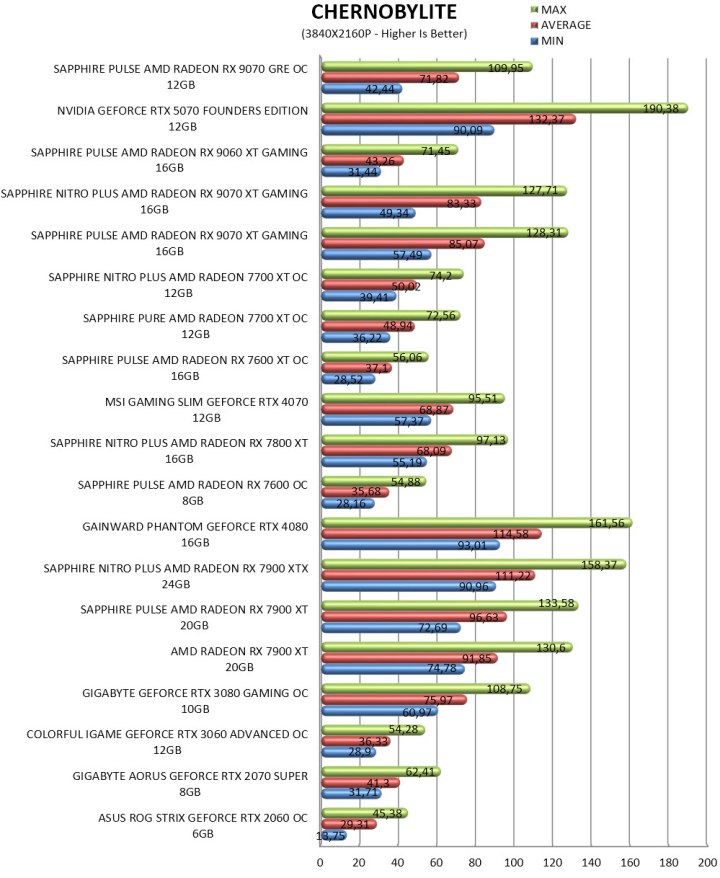
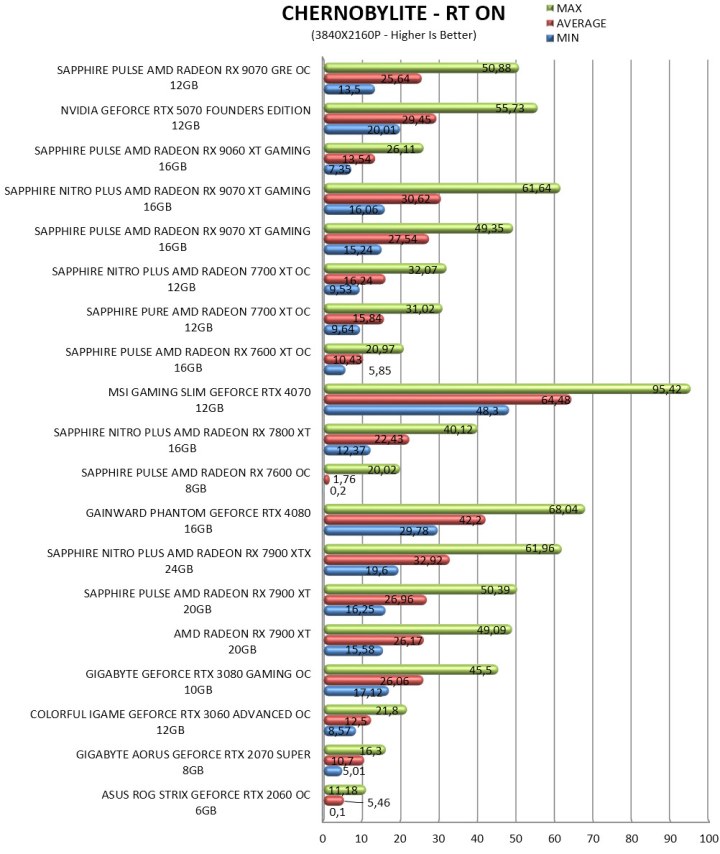
TEST RESULTS – CHERNOBYLITE
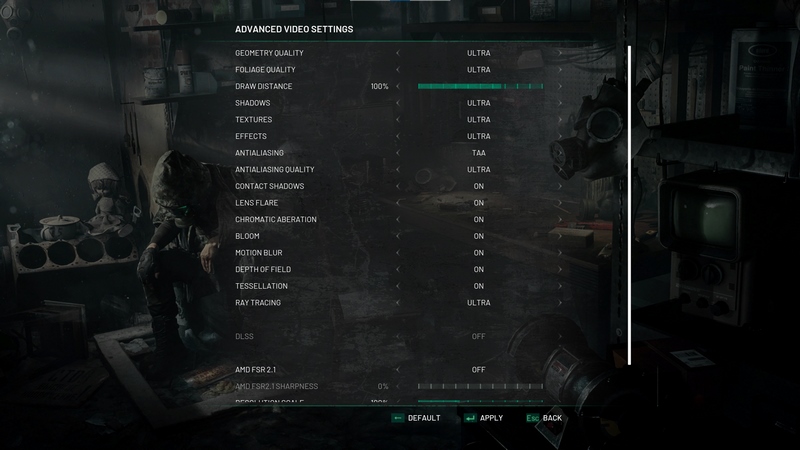
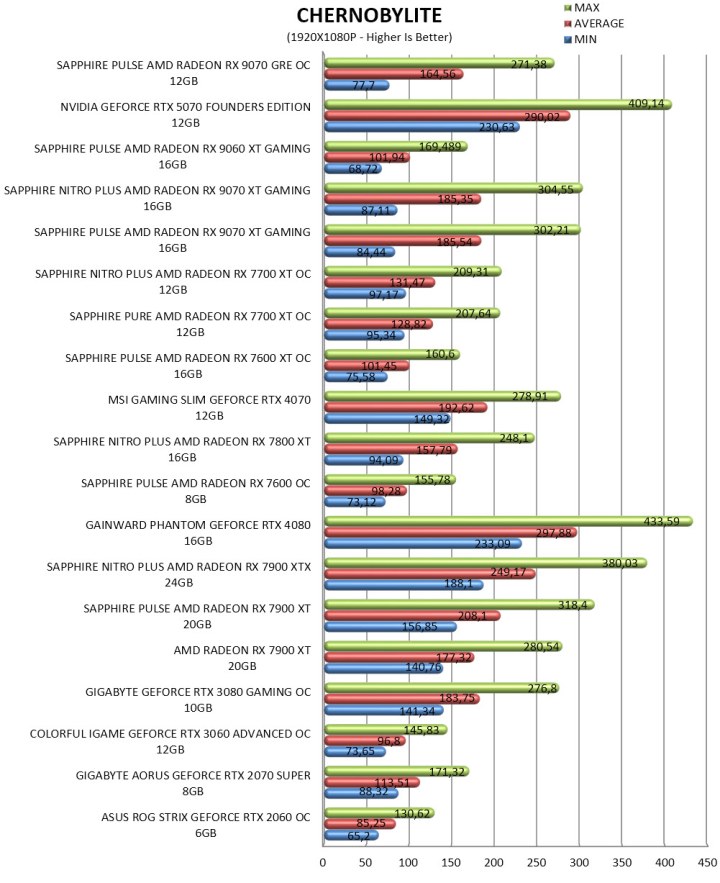
Chernobylite is a 1st person RPG set in the hyper-realistic, 3D-scanned wasteland of Chernobyl's Exclusion Zone. It's based on Unreal Engine 4 and will be used at Ultra graphics (RT Ultra/Off).
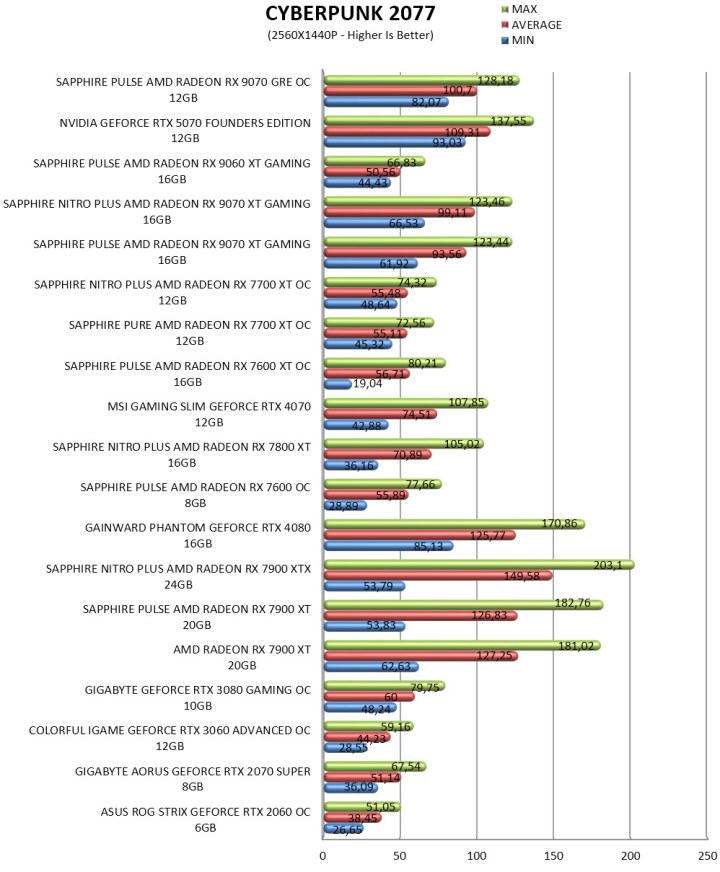
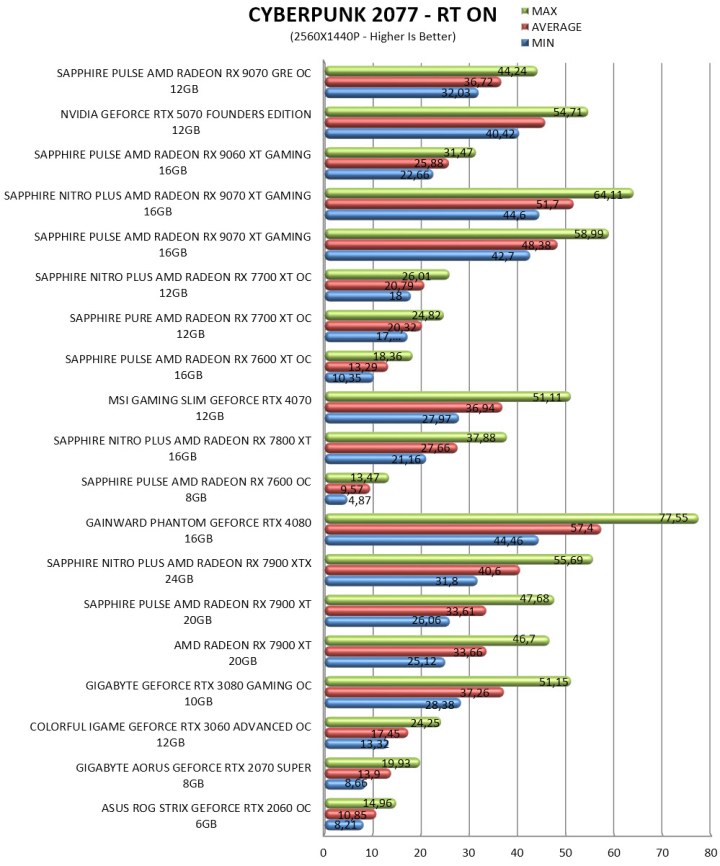
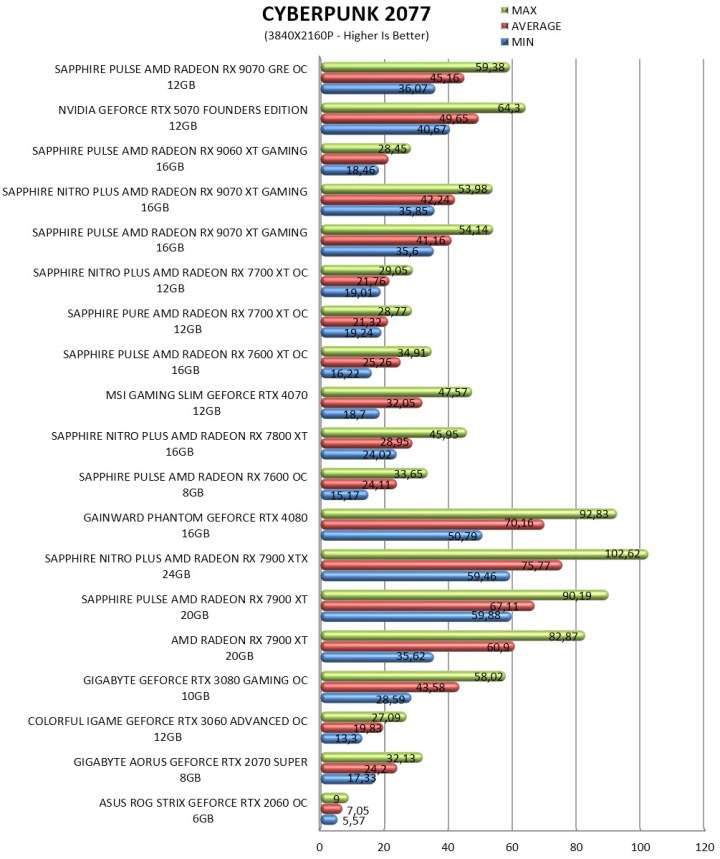
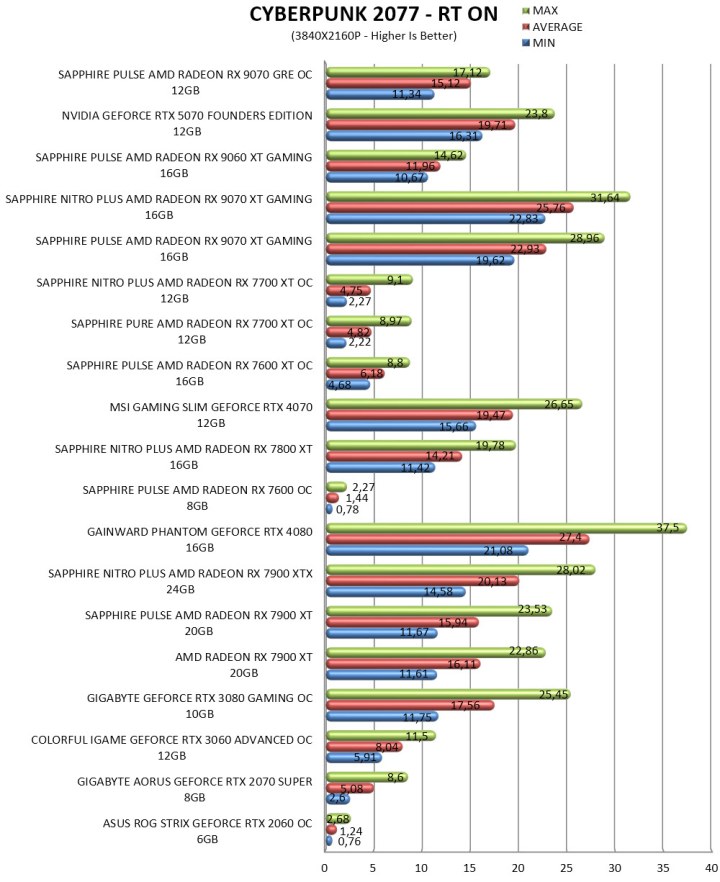
TEST RESULTS – CYBERPUNK 2077
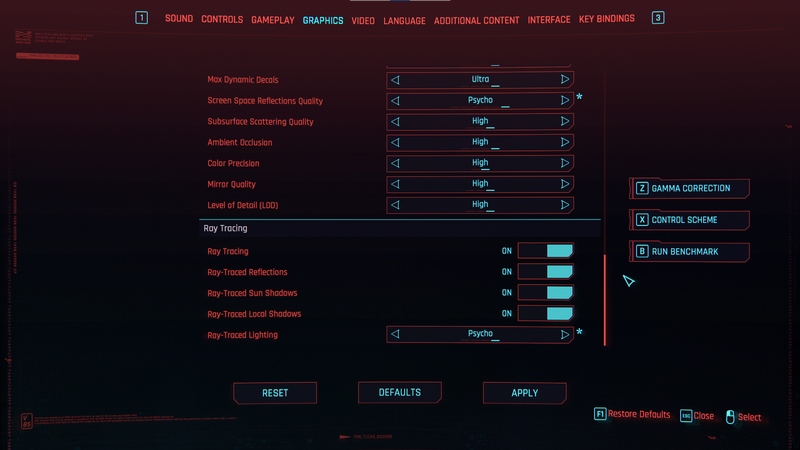
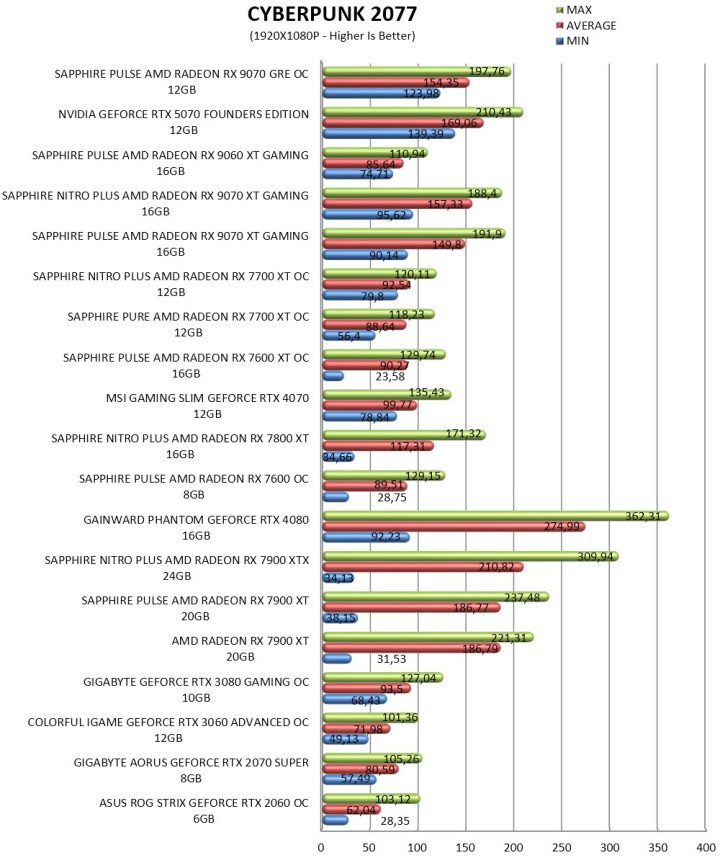
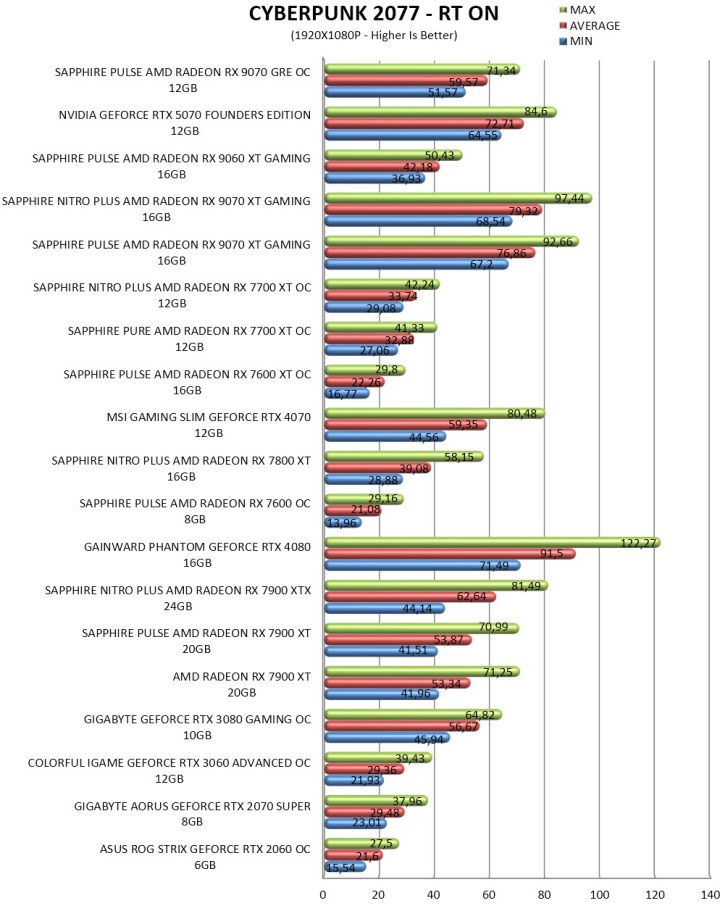
Cyberpunk 2077 is the latest game by CD Project and is based on their REDEngine 4. Graphics are set at Ultra/Psycho (RT Psycho/Off).
TEST RESULTS – F1 2022
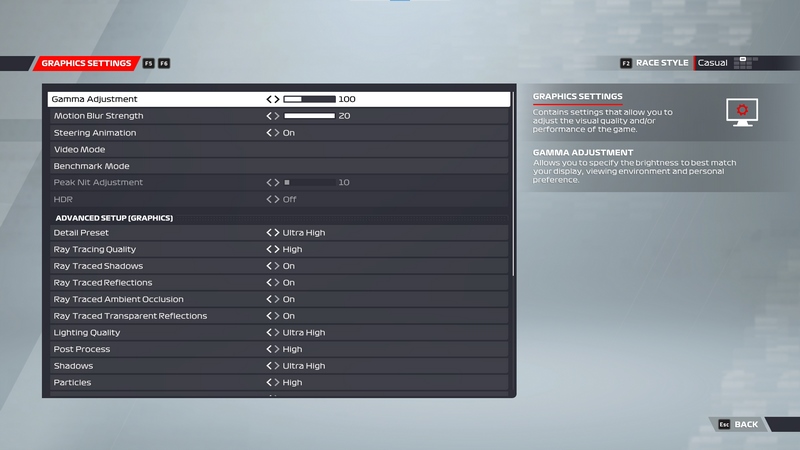
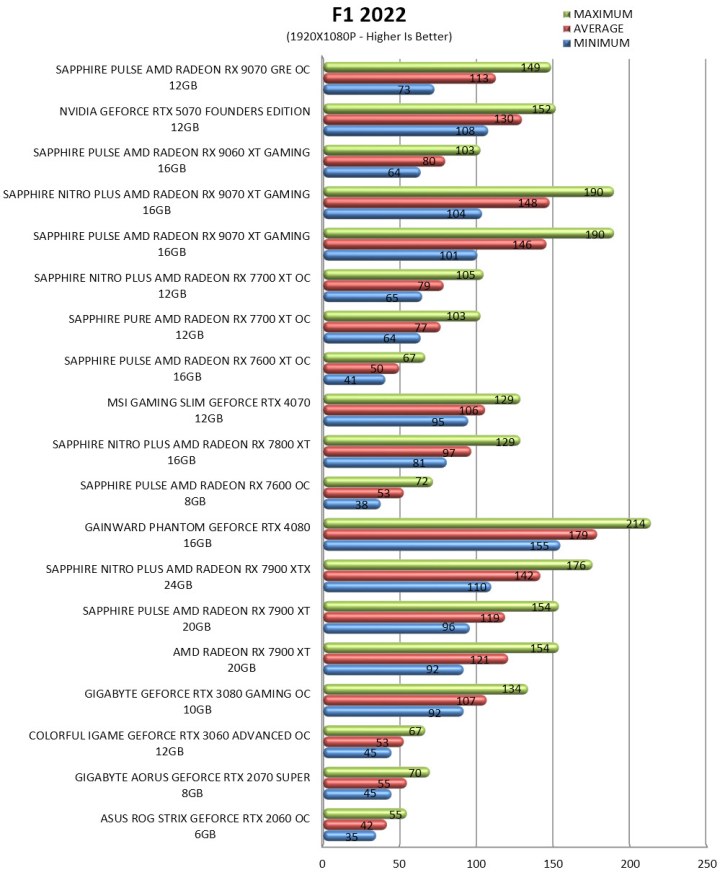
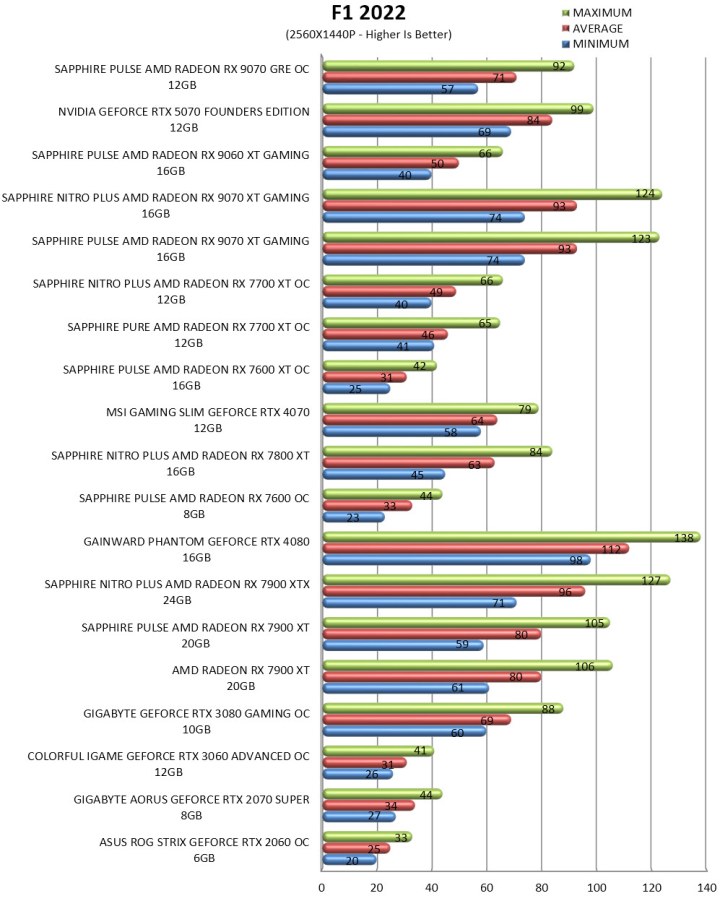
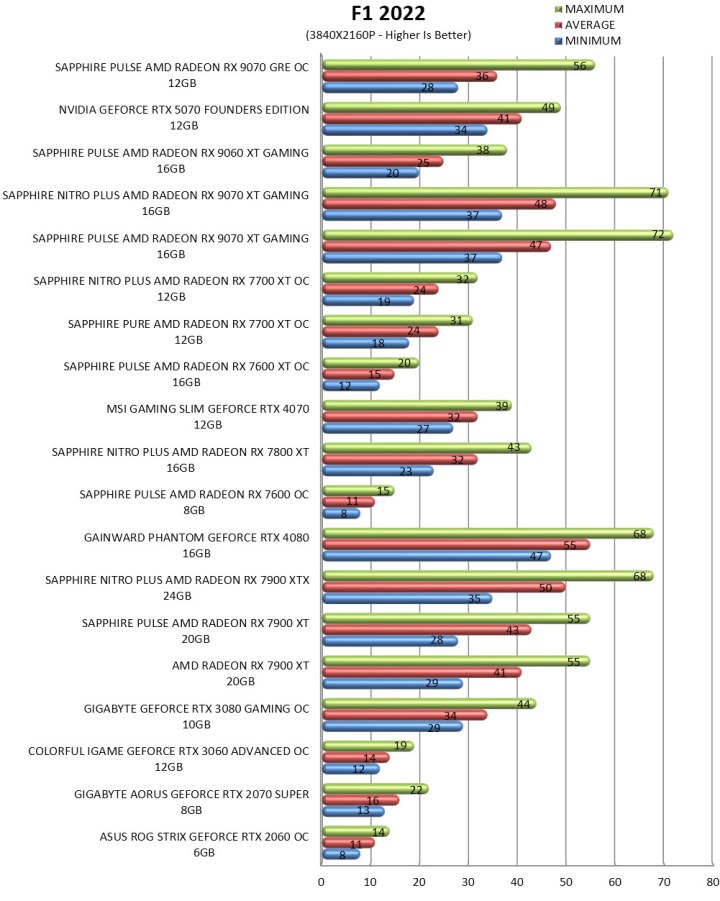
F1 2022 is built on Codemasters' in-house engine, EGO, which has been upgraded to include DX12 and Raytracing. Graphics are set to Ultra High (RT is enabled in all tests).
TEST RESULTS – FAR CRY 6
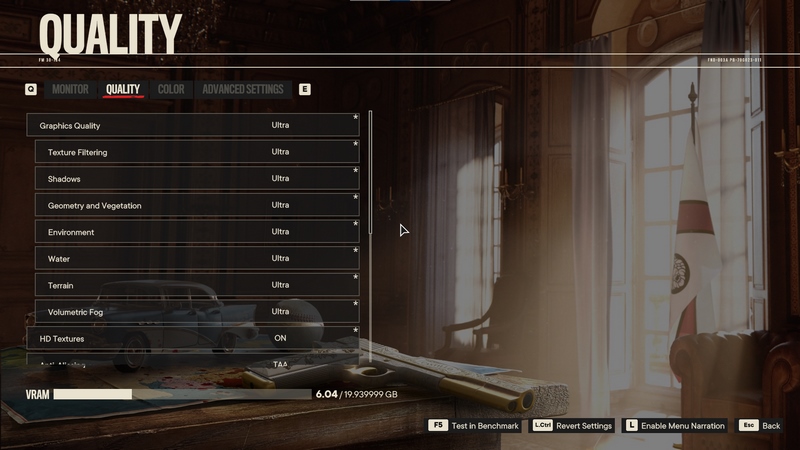
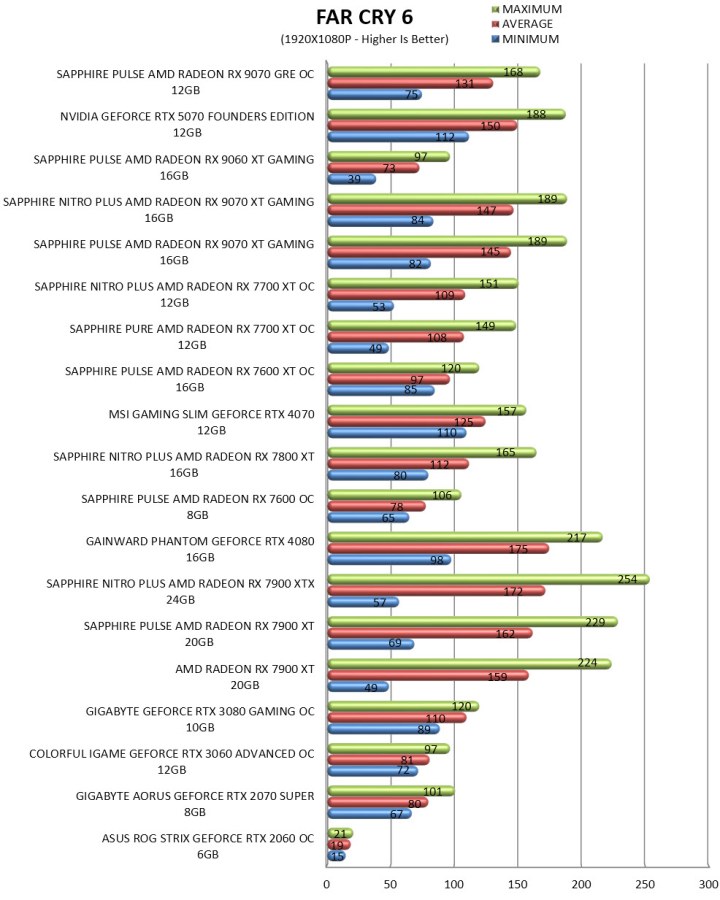
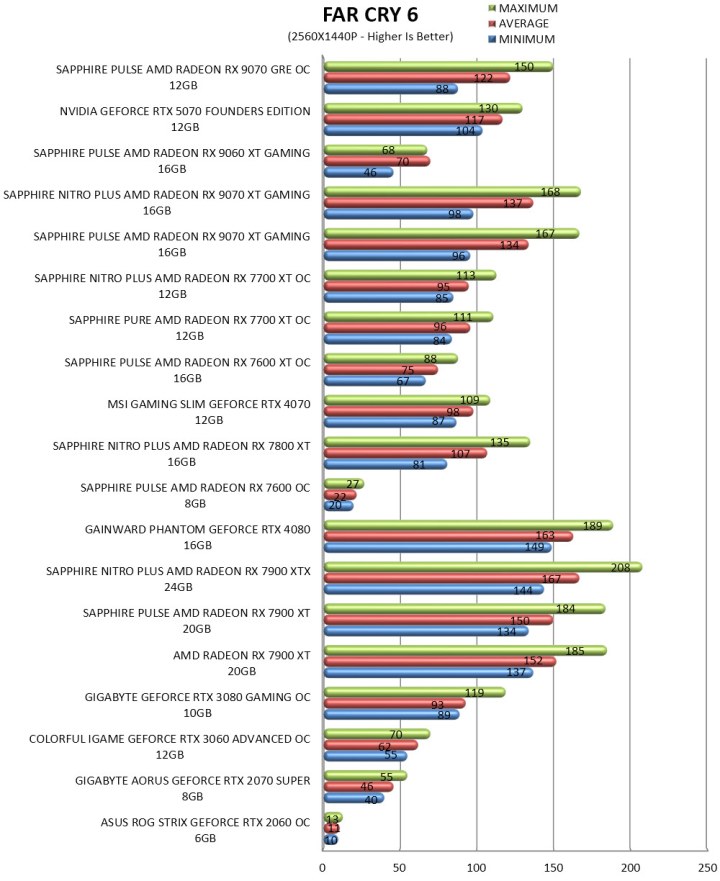
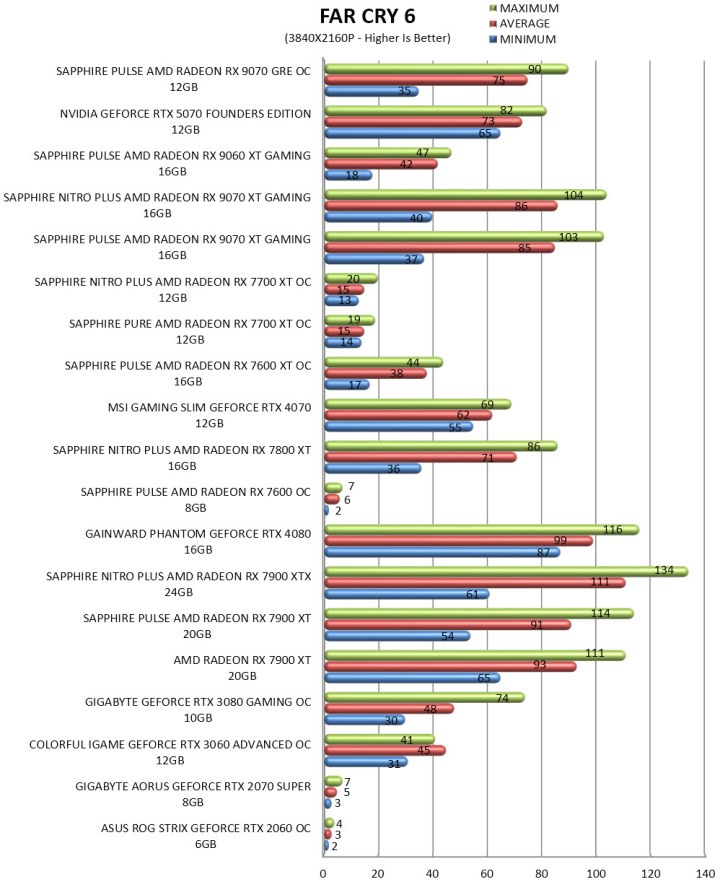
Far Cry 6 is based on the Dunia engine. Graphics are set to Ultra with DXR enabled.
TEST RESULTS – FORZA HORIZON 5
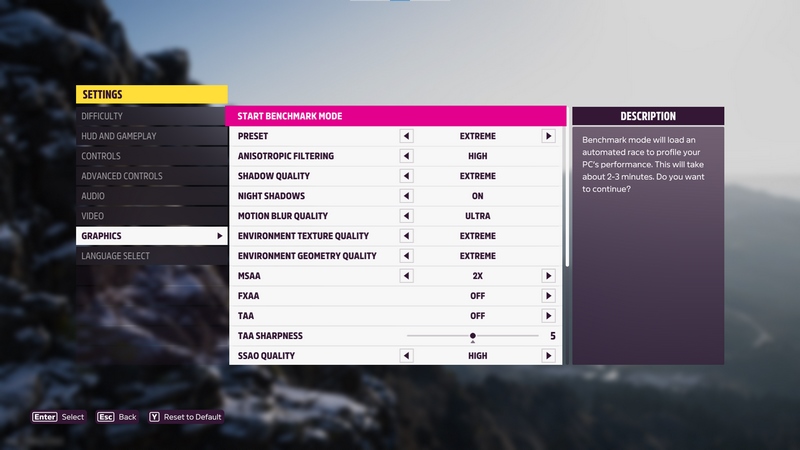
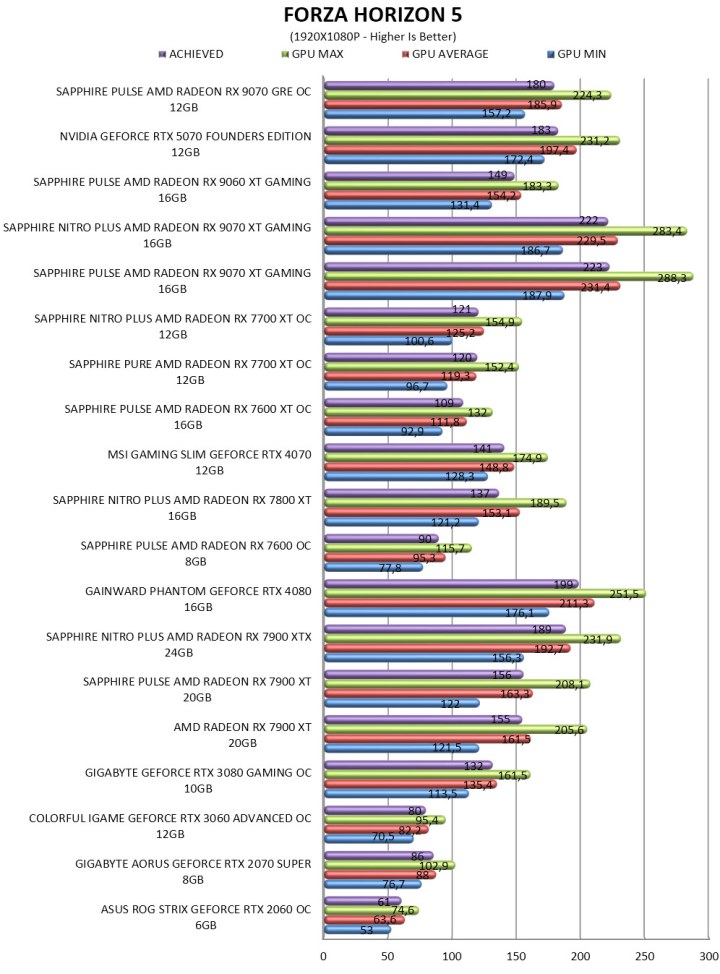
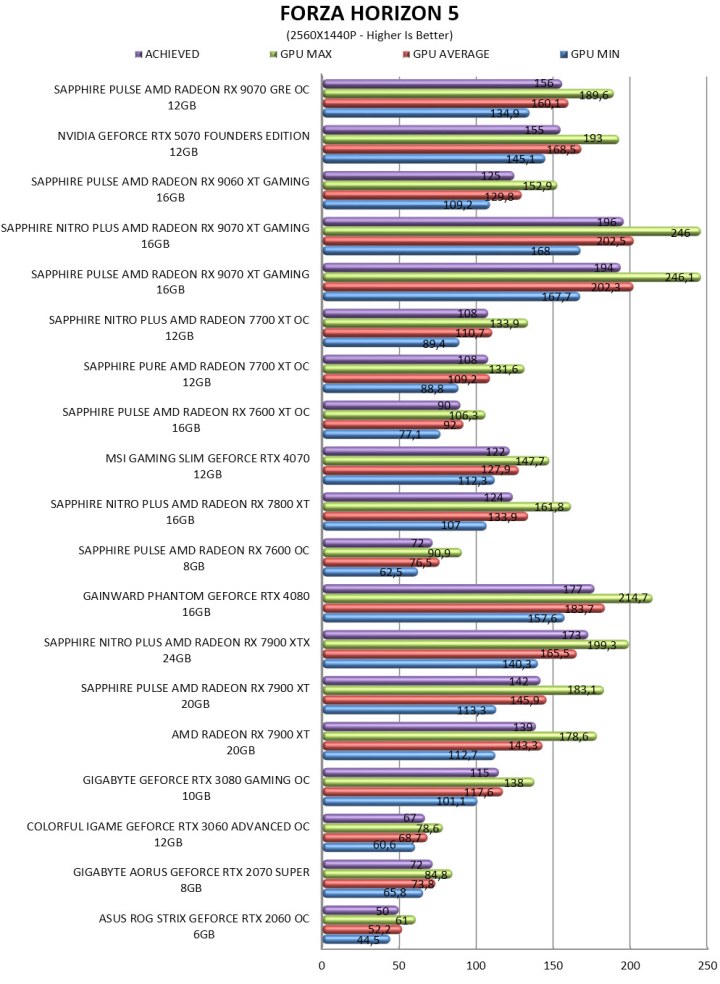
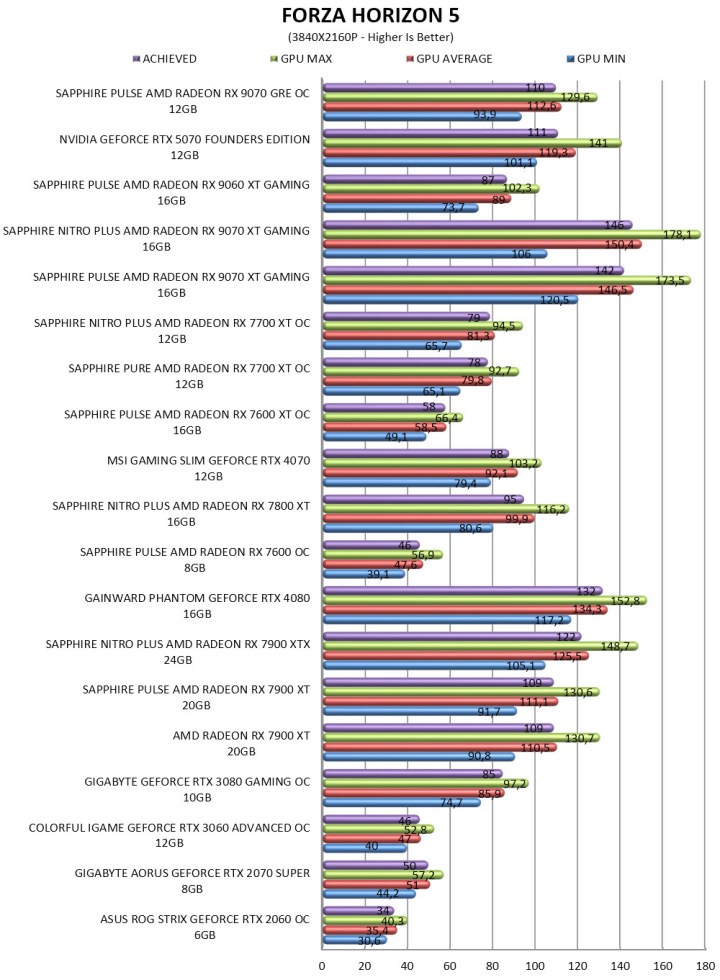
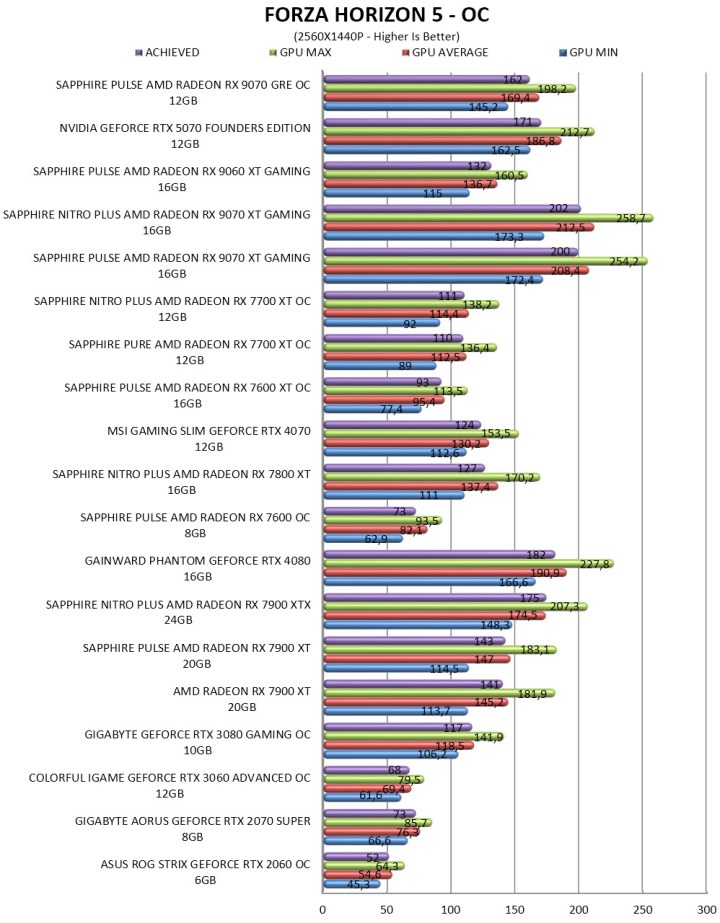
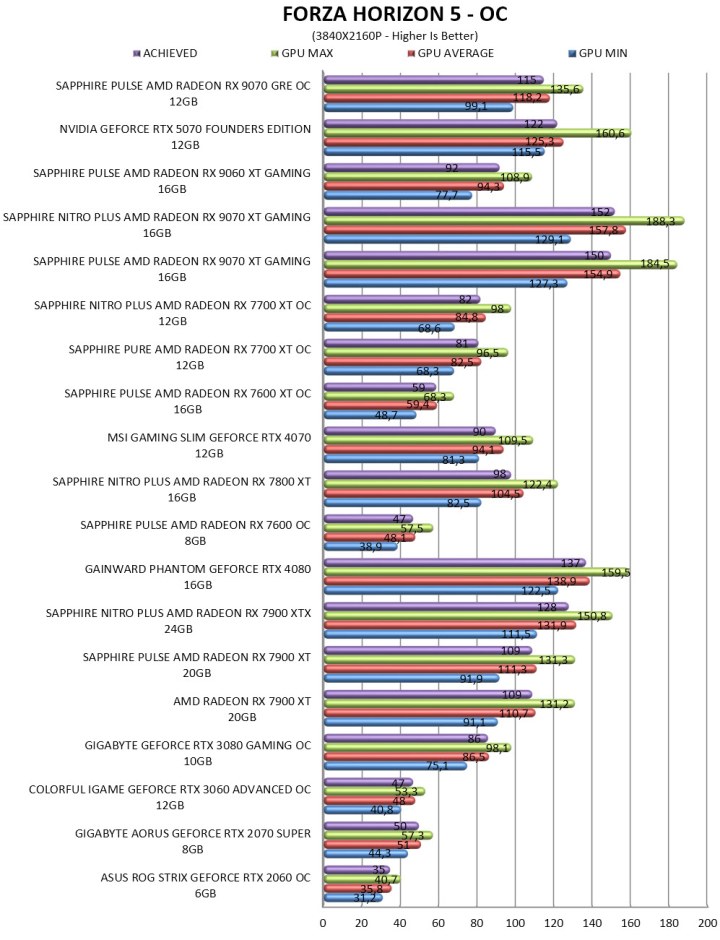
Forza Horizon 5 uses ForzaTech, a proprietary engine built by Turn 10. Graphics are set to Extreme (RT is always enabled at high).
TEST RESULTS - GUARDIANS OF THE GALAXY
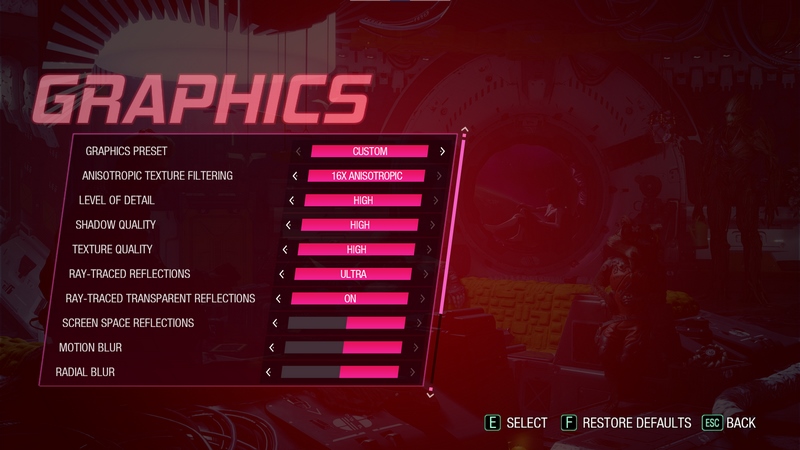
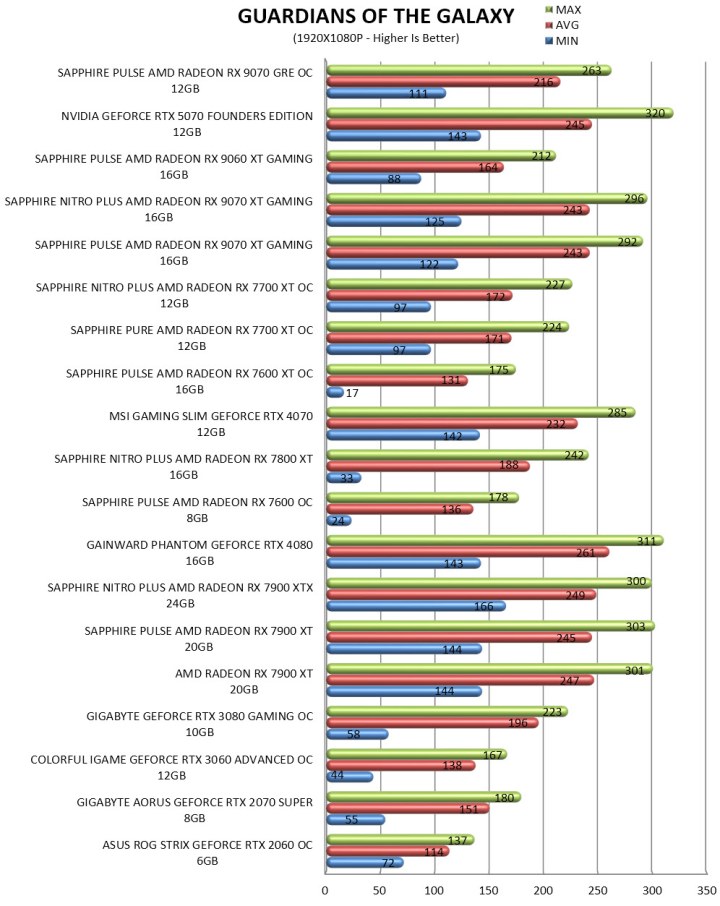
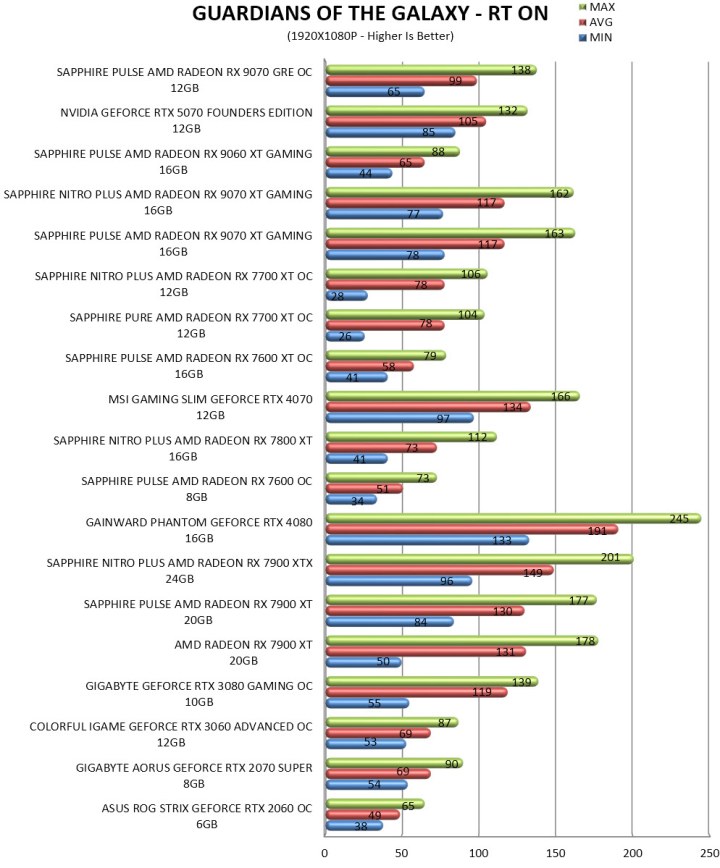
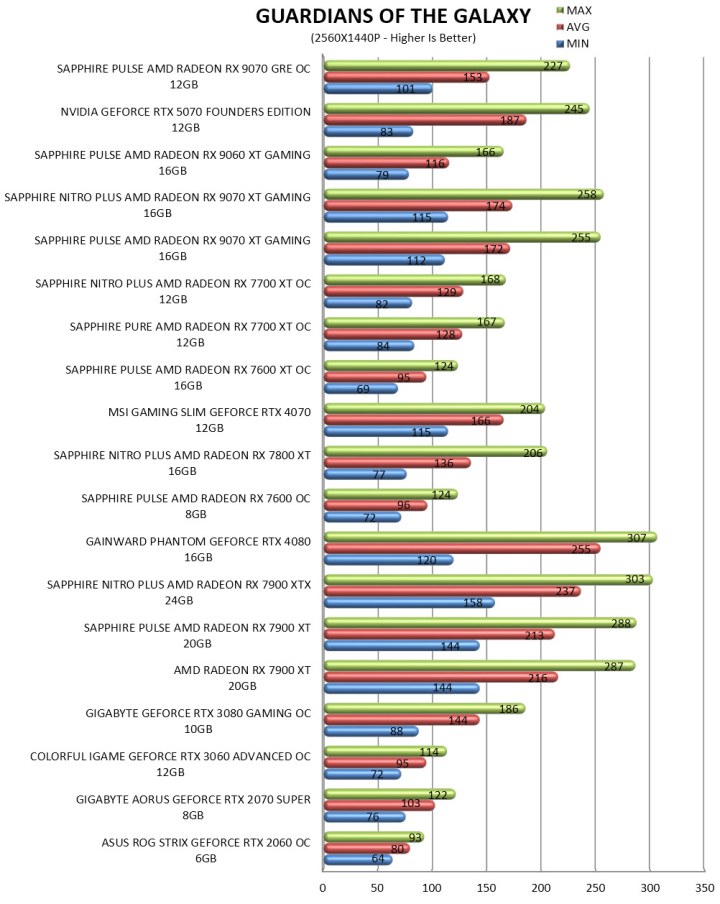
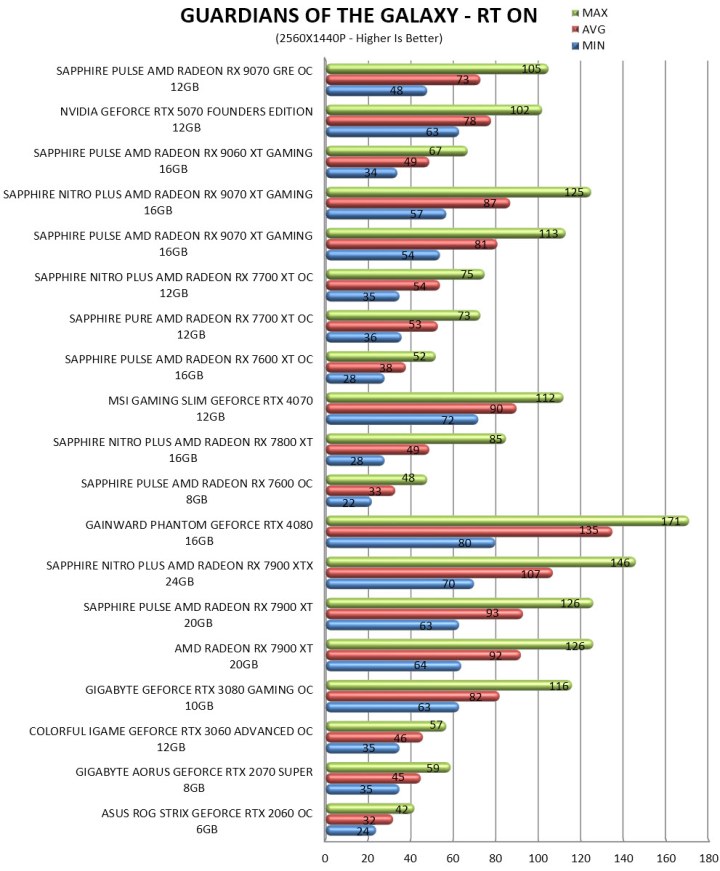
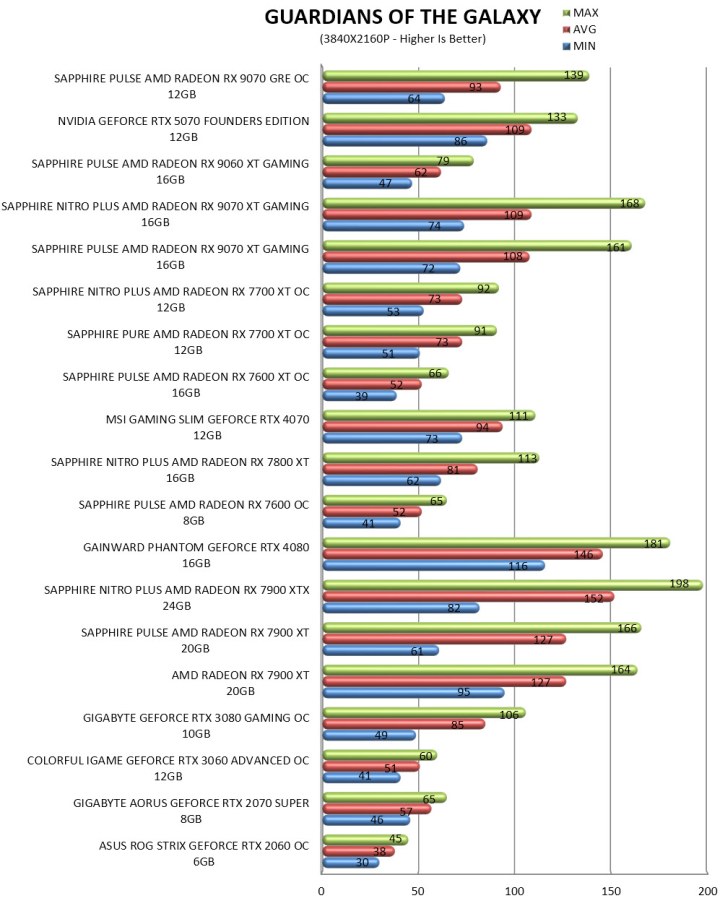
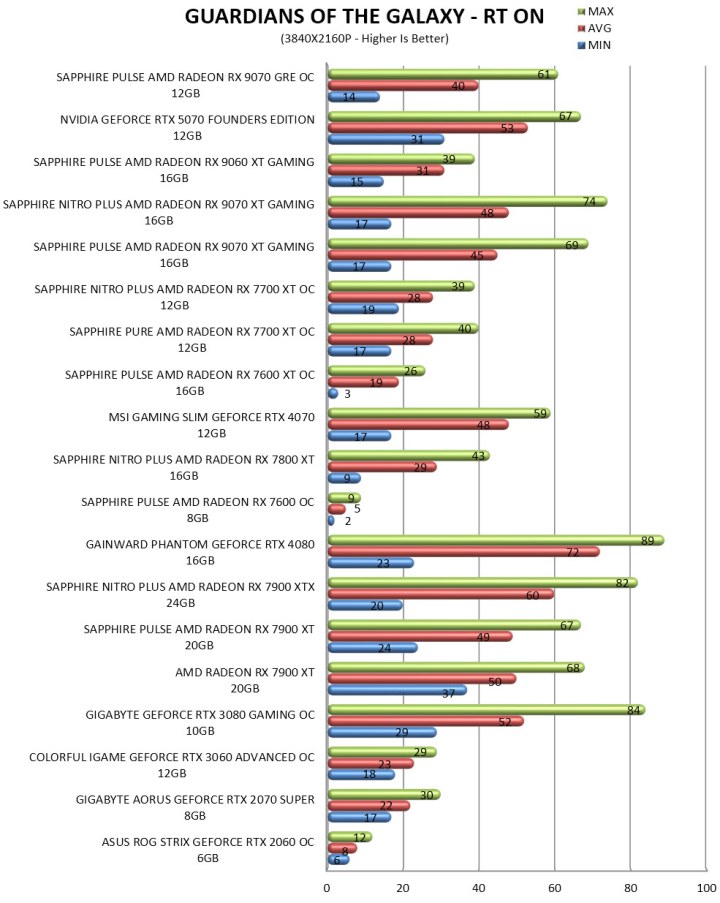
Guardians Of The Galaxy is based on the Dawn Engine by EIDOS. Graphics are set to maximum (RT Ultra/Off).
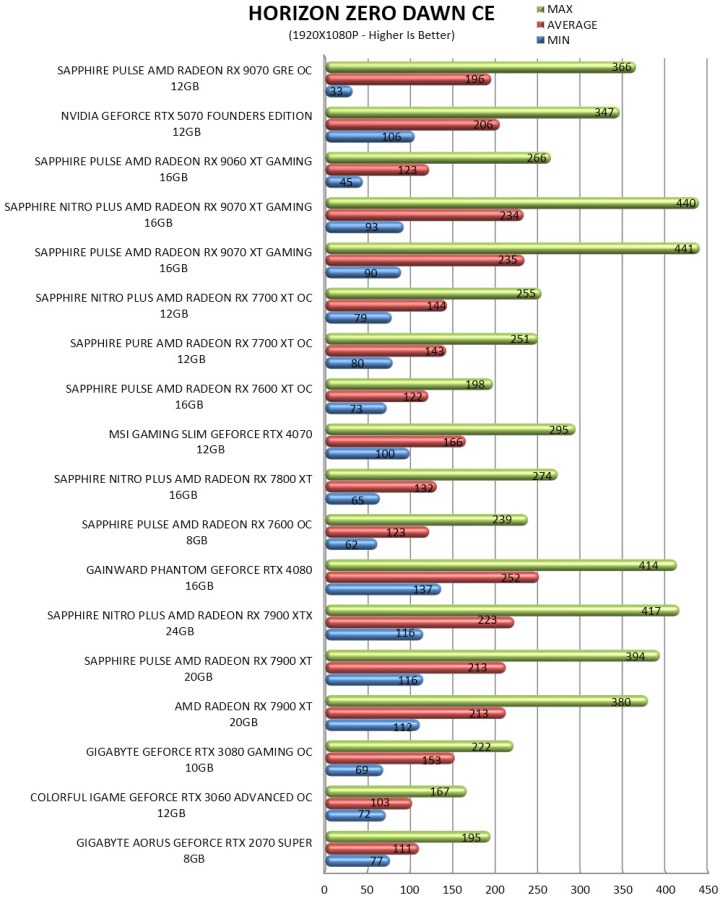
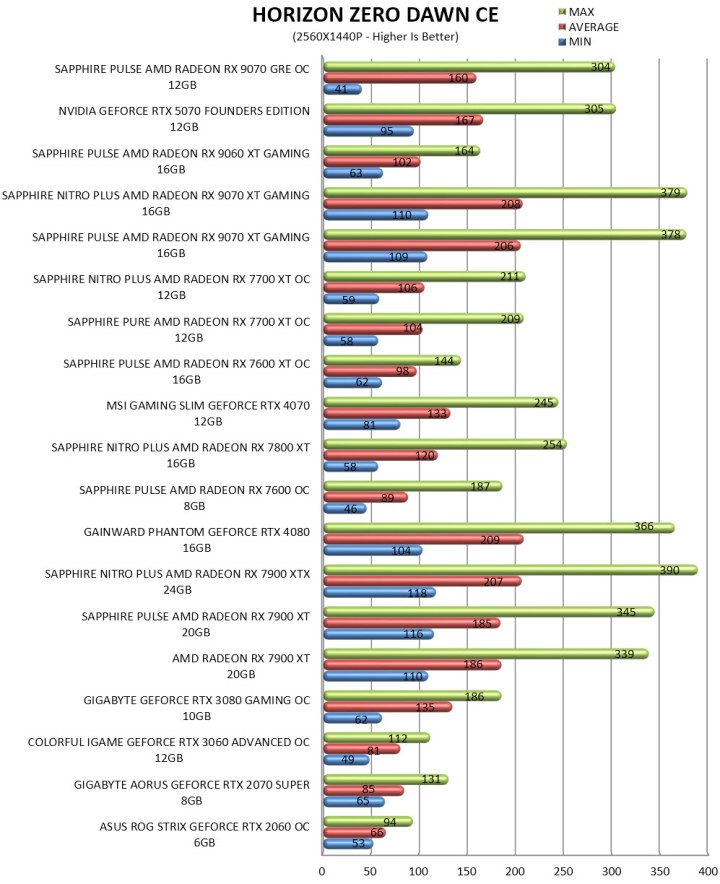
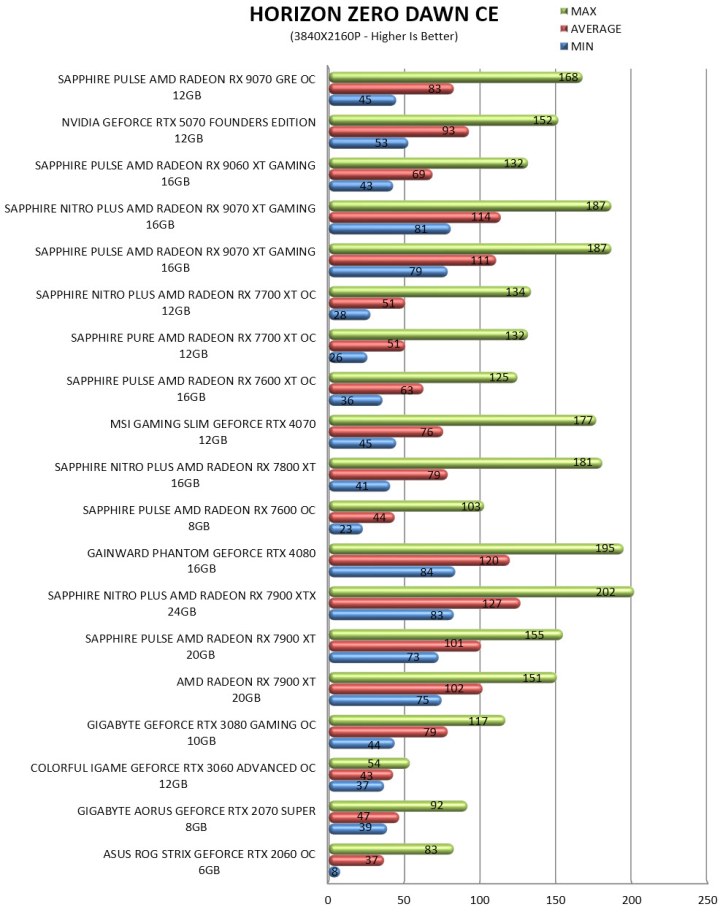
TEST RESULTS - HORIZON ZERO DAWN CE
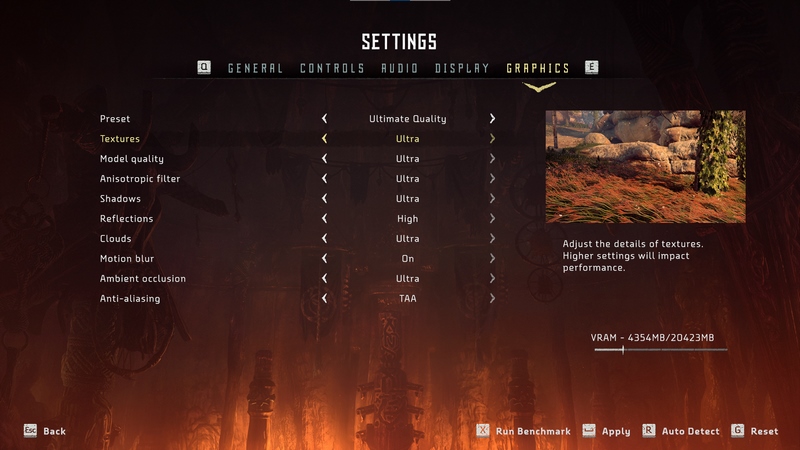
Horizon Zero Dawn CE (Complete Edition) is based on Guerrilla Games' Decima engine. Graphics are set to Ultimate Quality.
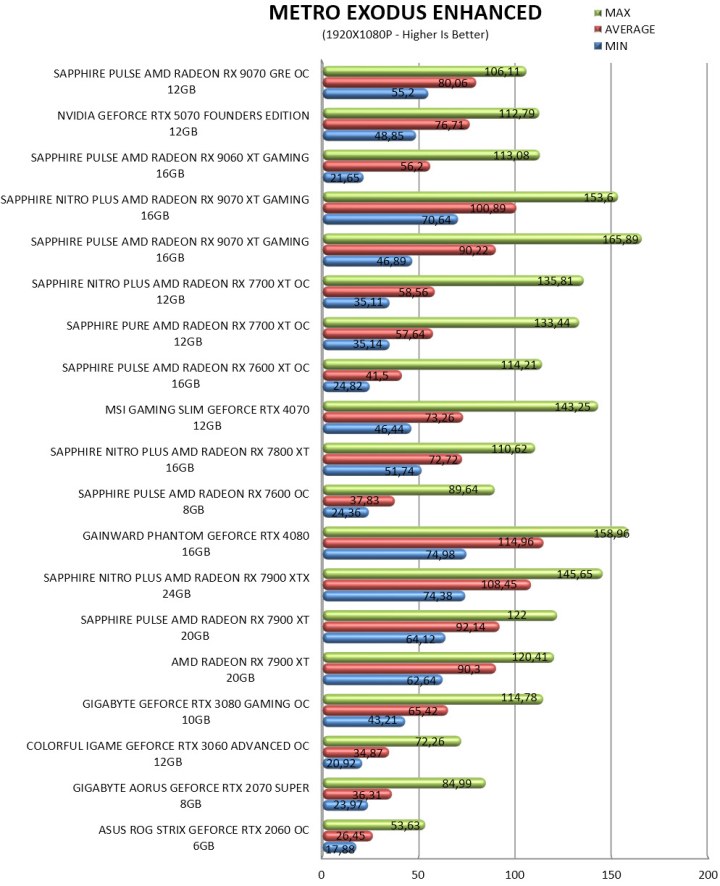
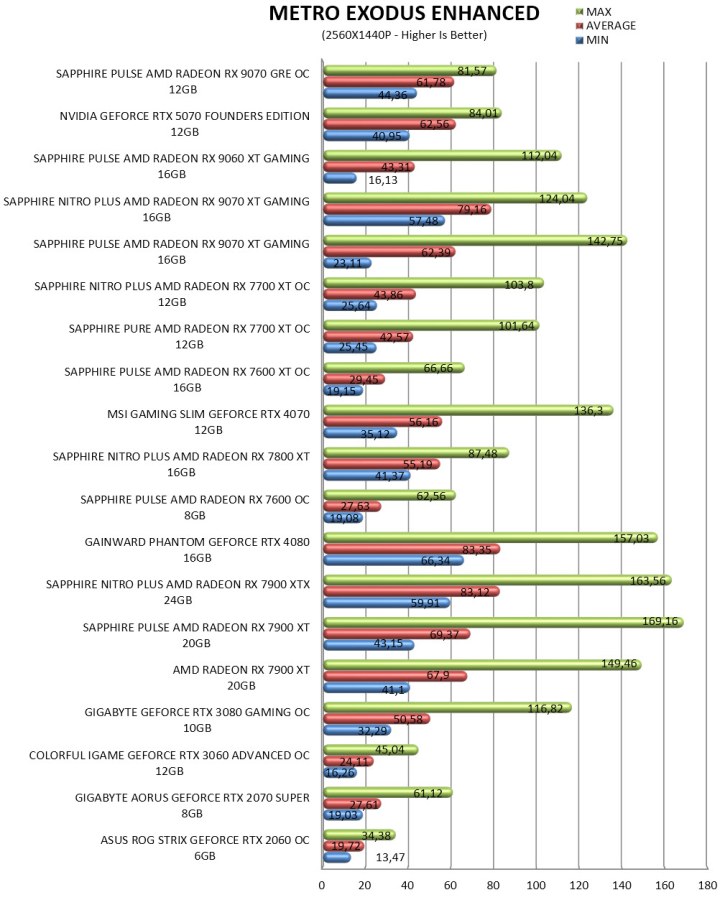
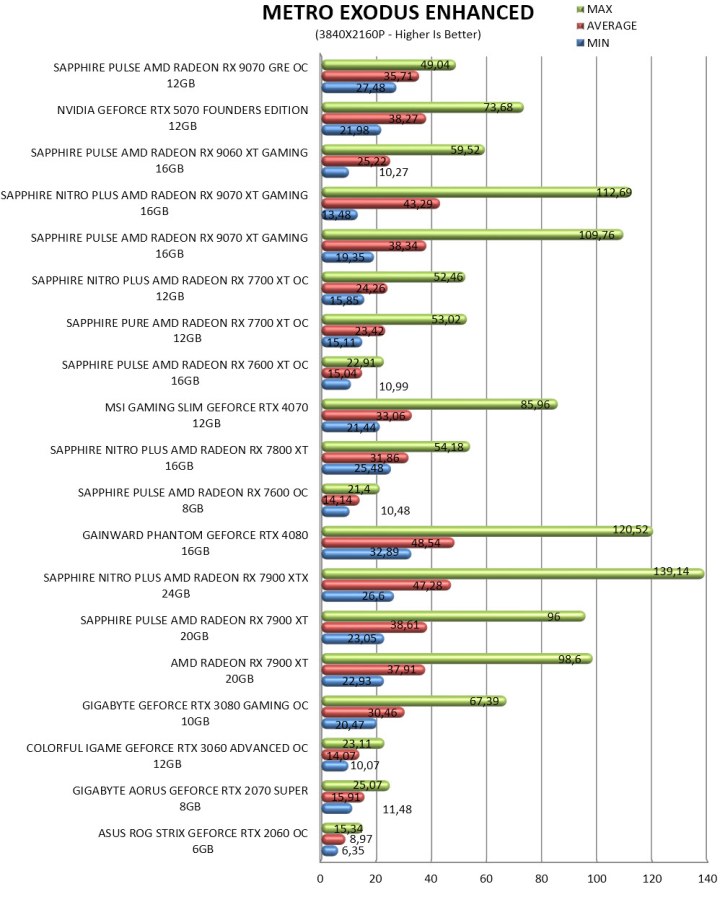
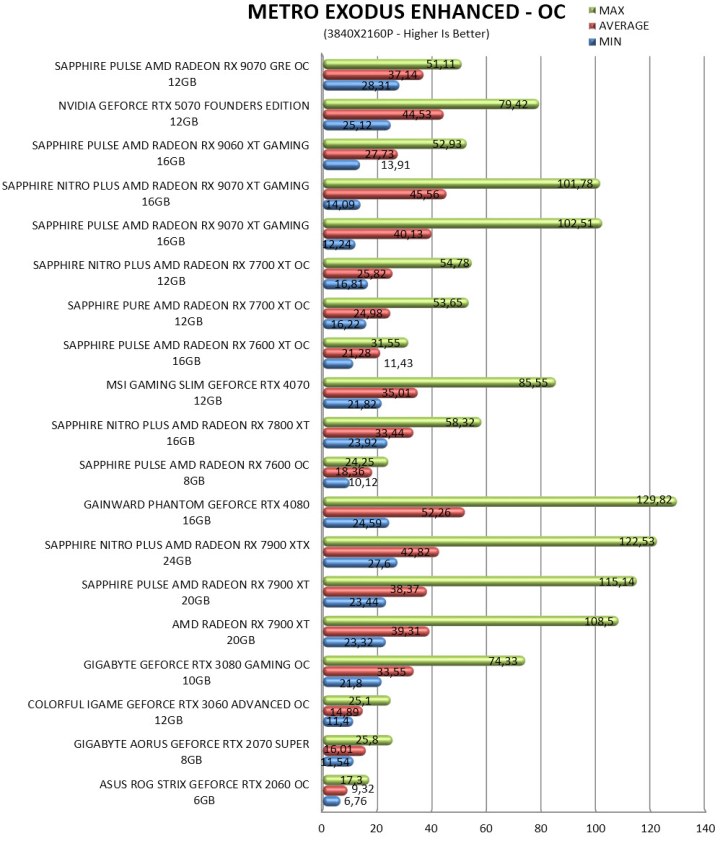
TEST RESULTS - METRO EXODUS ENHANCED EDITION
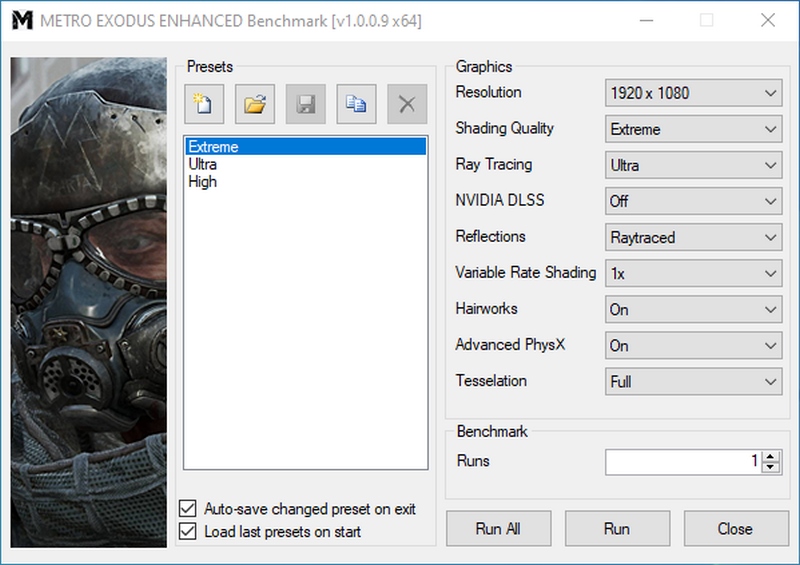
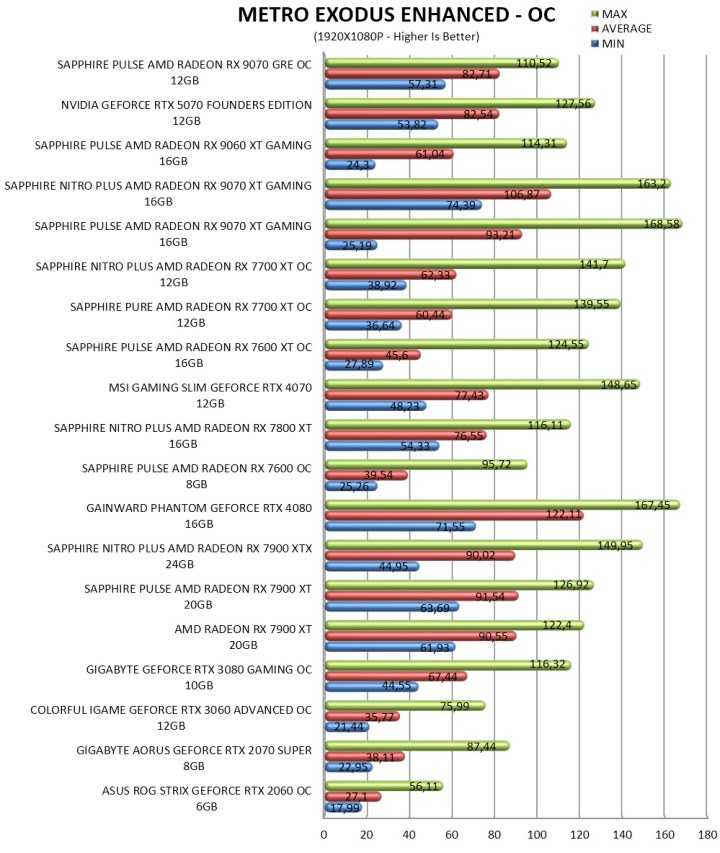
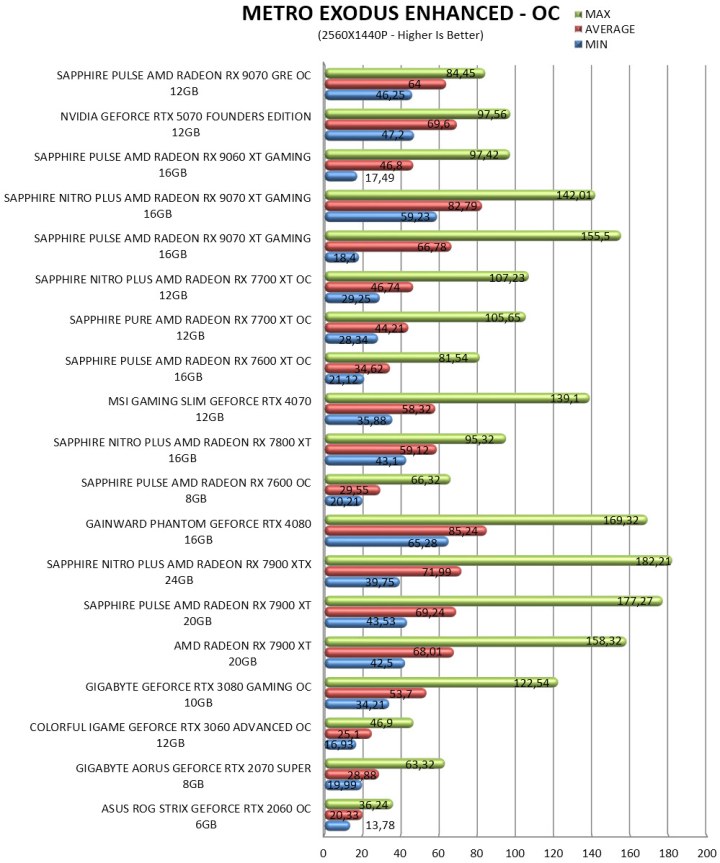
Metro Exodus Enhanced Edition is based on the 4A Engine and contains huge graphical upgrades compared to the normal version, including Ray Traced Emissive Lighting. Graphics are set at Extreme quality.
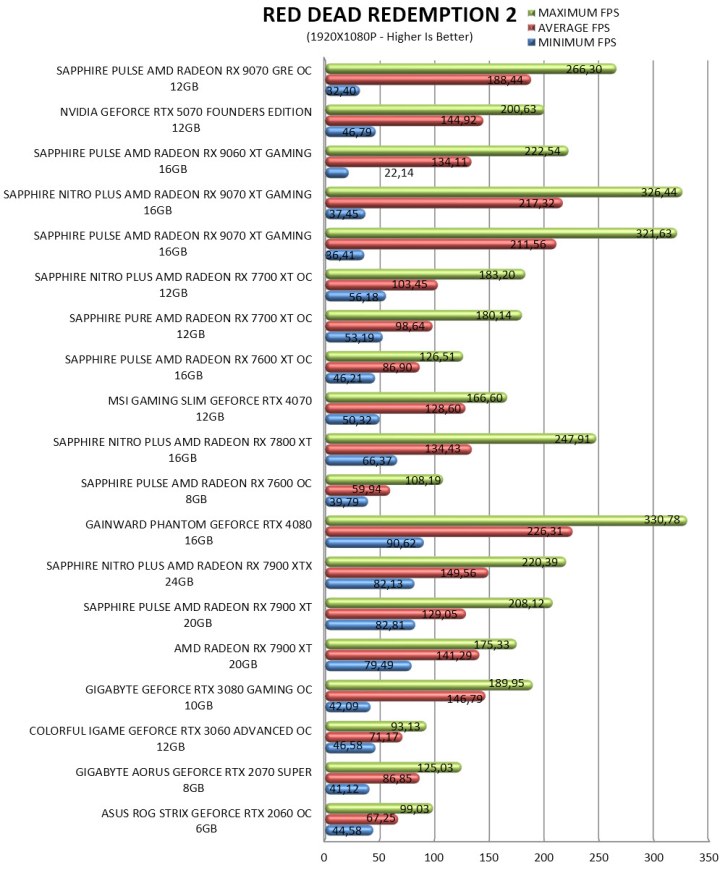
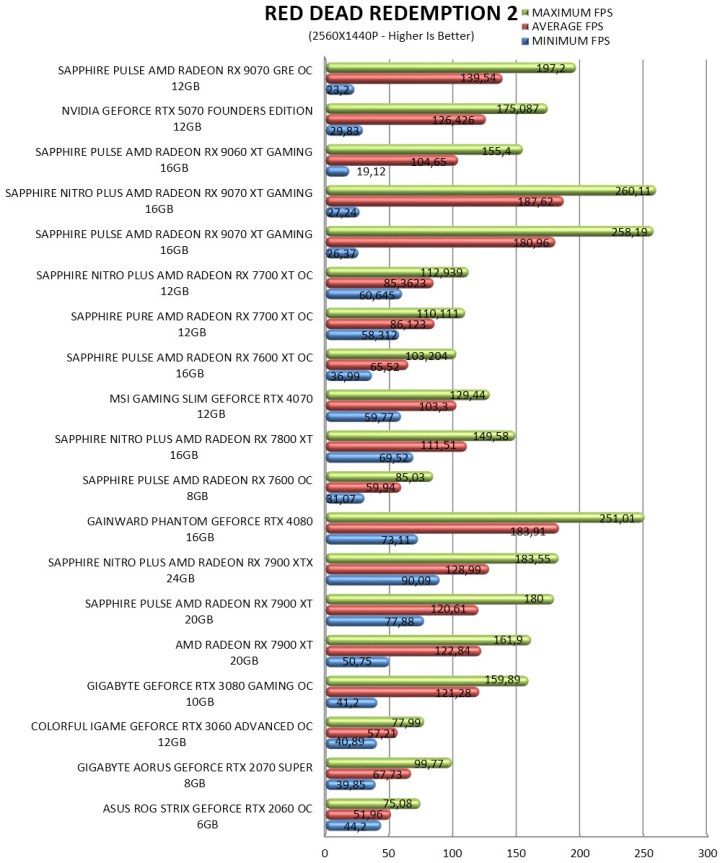
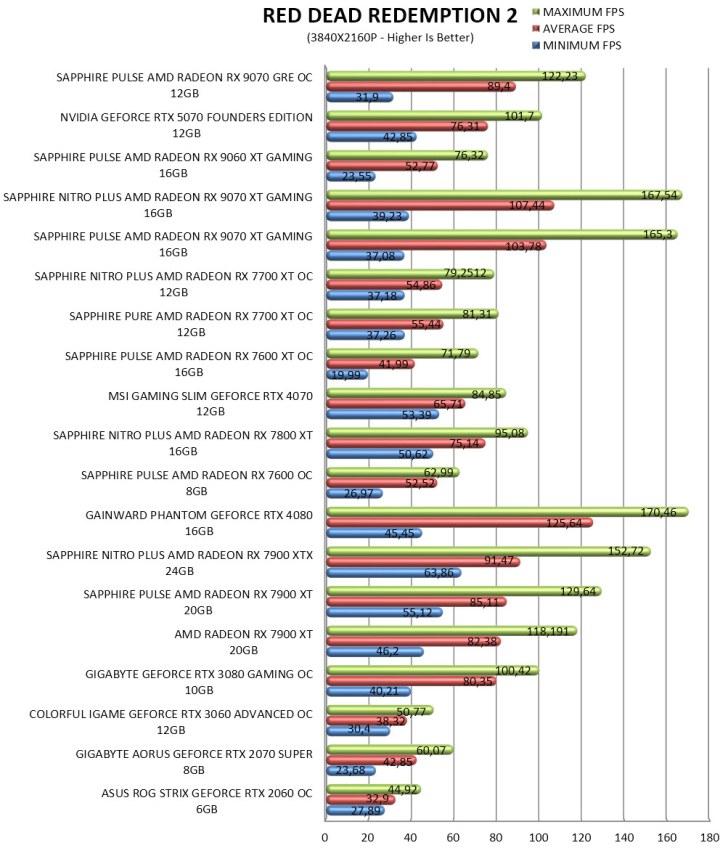
TEST RESULTS – RED DEAD REDEMPTION 2
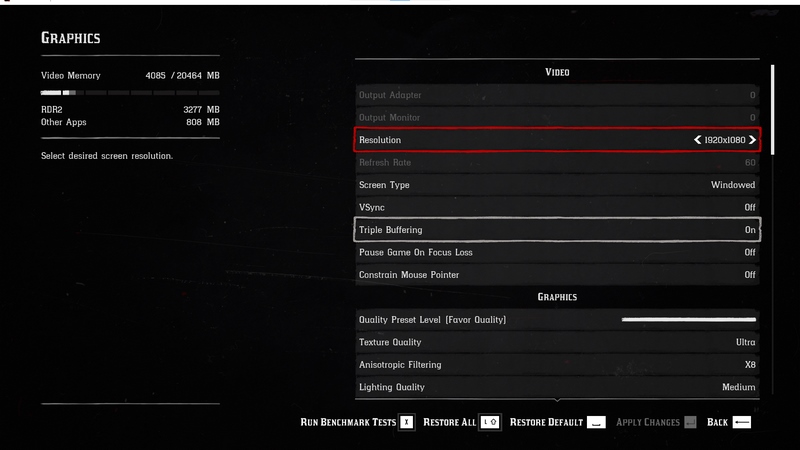
For Red Dead Redemption 2 Rockstar has used their RAGE engine (Rockstar Advanced Game Engine). Graphics preset level slider is set to favor quality.
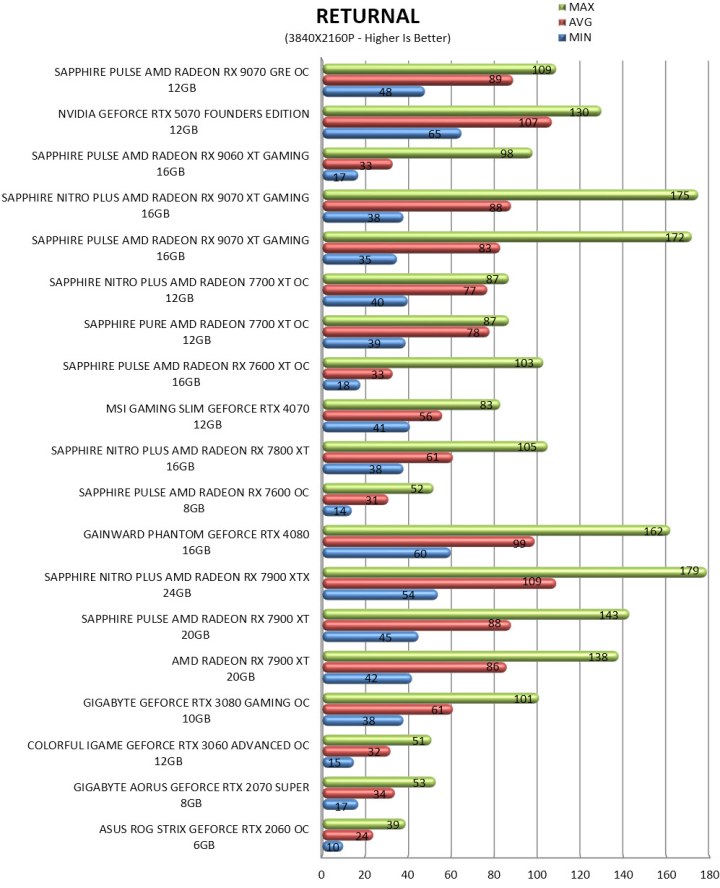
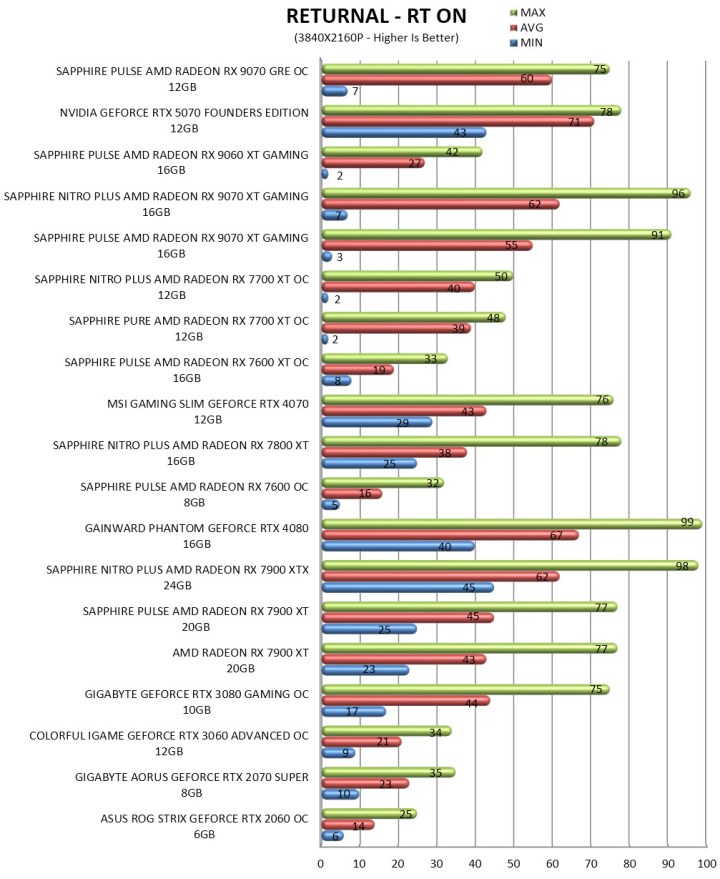
TEST RESULTS – RETURNAL
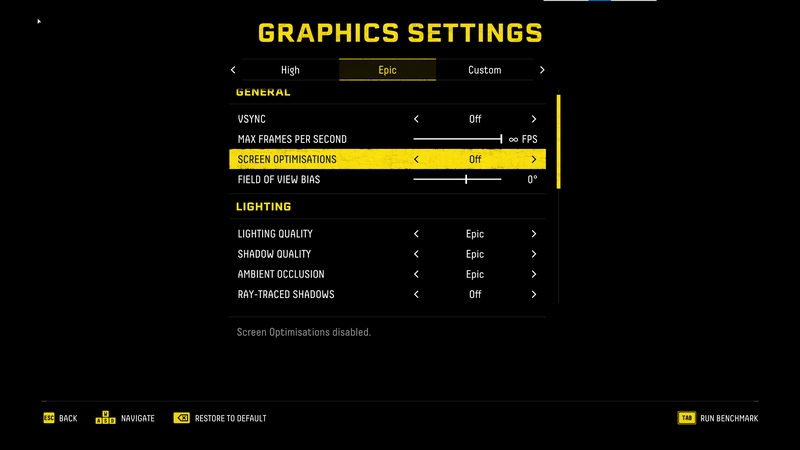
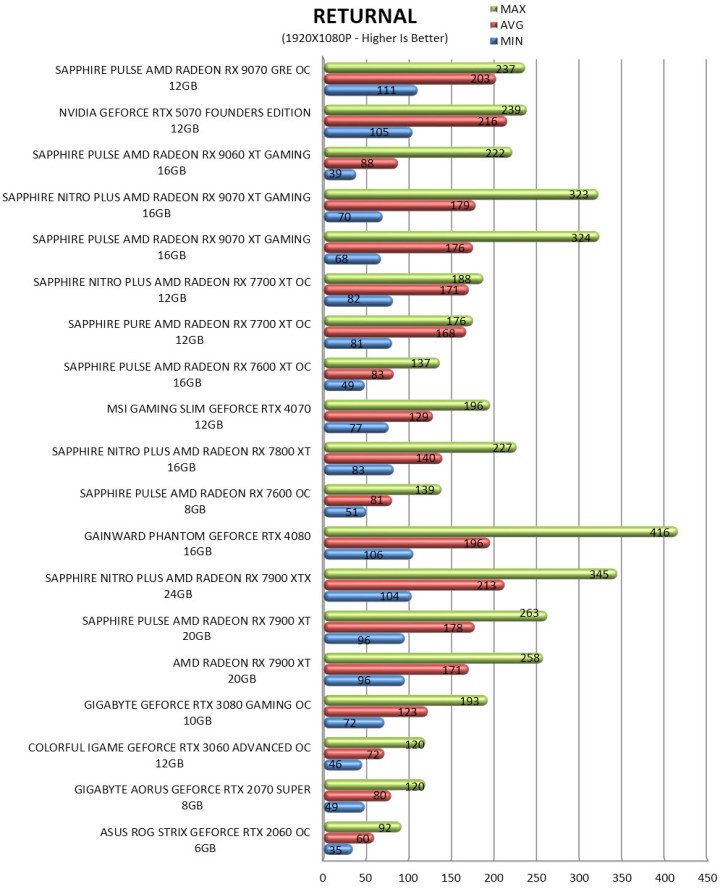
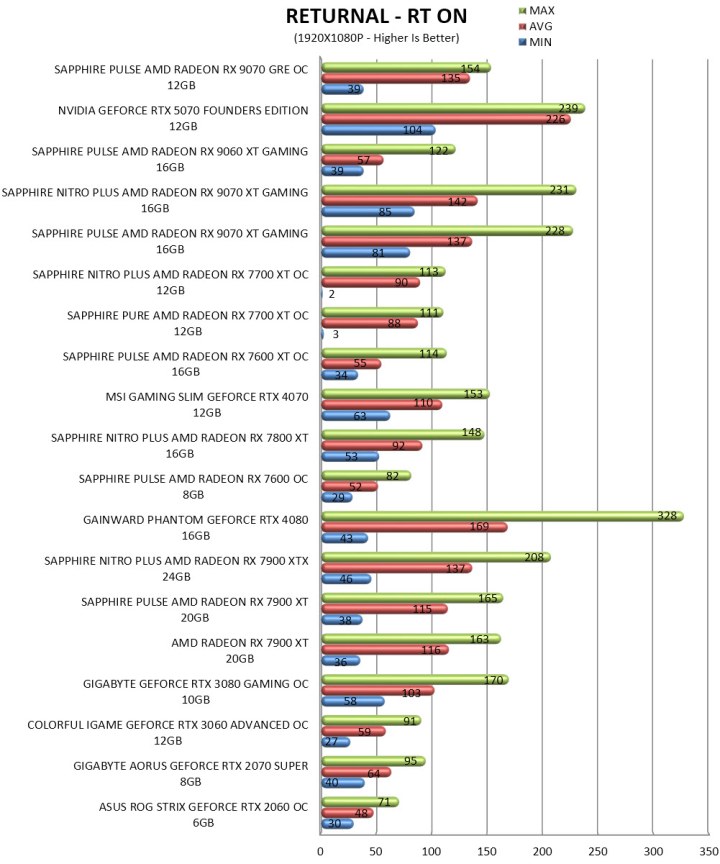
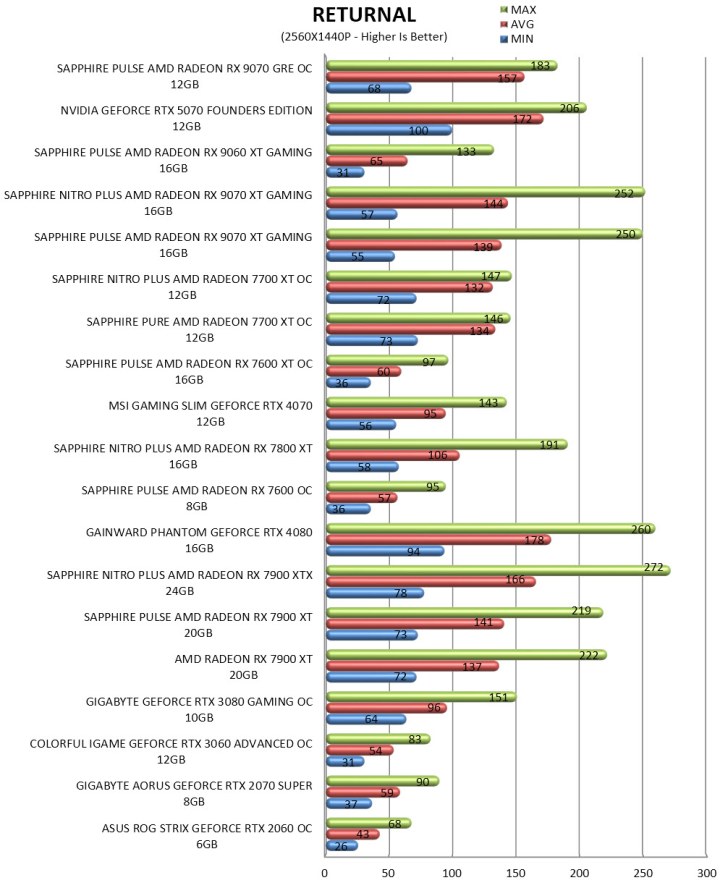
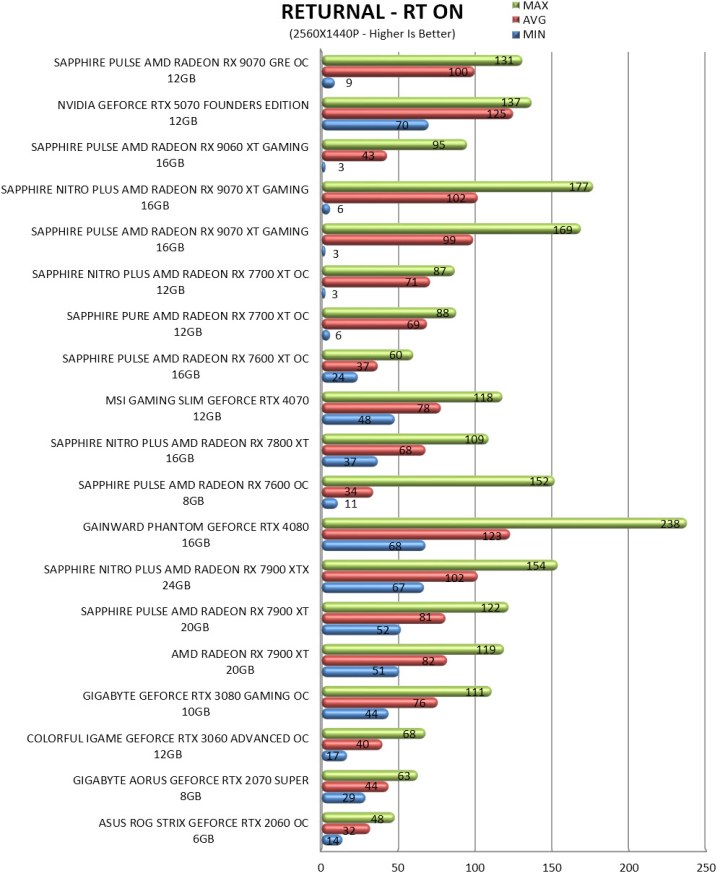
Returnal is also based on Unreal Engine 4. Graphics are set to EPIC (RT EPIC/Off).
TEST RESULTS - OVERCLOCKING
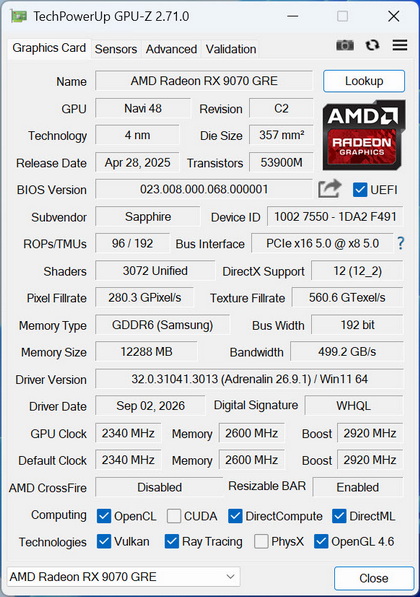
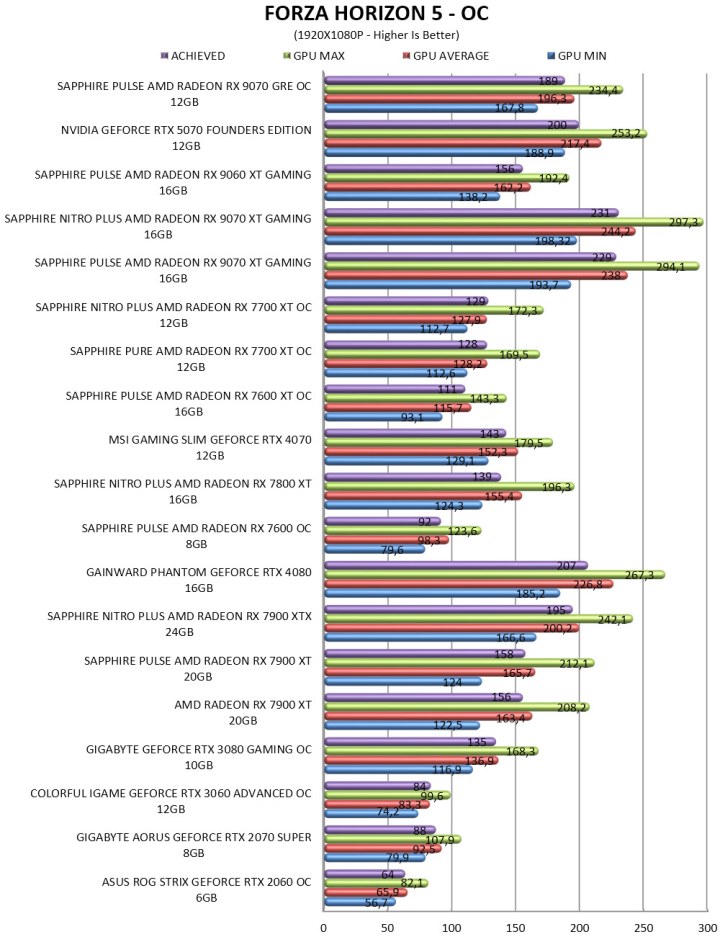
Using 660MHz extra on the core (not shown in GPUZ) and 350MHz on the VRAM resulted in a good boost in performance (one can always go higher but after these numbers gains are very little compared to possible instability).
TEST RESULTS - POWER CONSUMPTION / TEMPERATURES / NOISE LEVELS
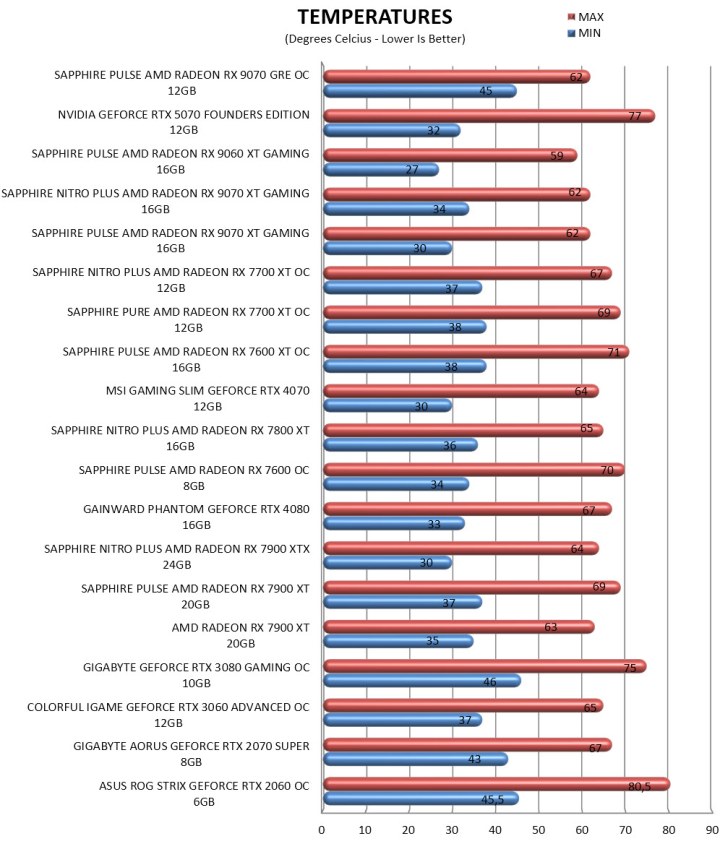
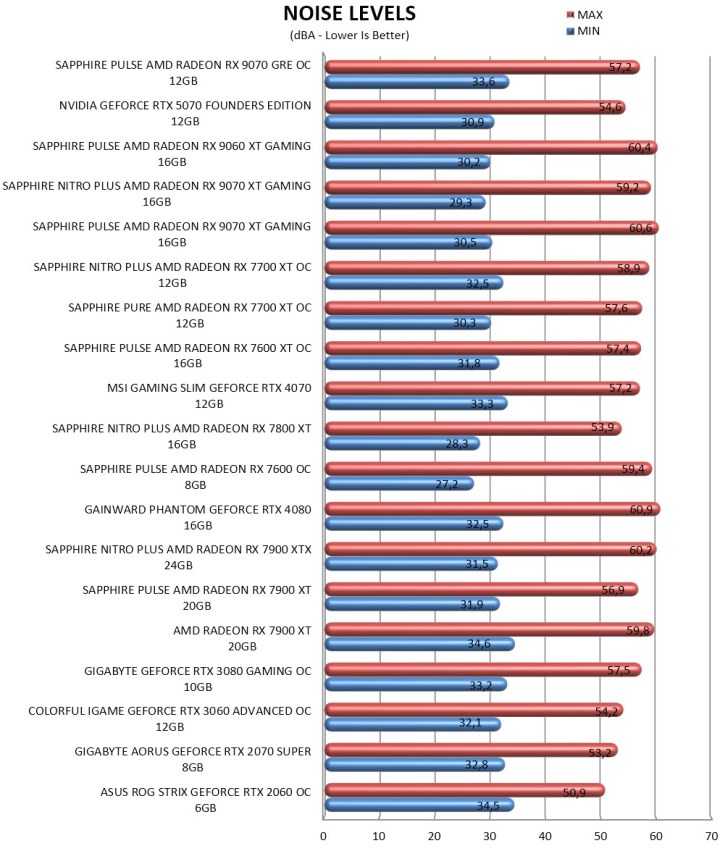
CONCLUSION
The SAPPHIRE PULSE AMD Radeon RX 9070 GRE proves that AMD's decision to expand the RDNA 4 product stack was a sensible one, offering performance levels that comfortably handle modern games at both 1440p and even 4K while maintaining surprisingly low operating temperatures and a respectable power envelope. Sapphire's implementation complements the GPU particularly well, with the Dual-X cooling solution keeping thermals under control and leaving enough headroom for users interested in squeezing out some additional performance through manual overclocking. Equally important is the fact that AMD's software ecosystem has matured considerably since the launch of the Radeon RX 9000 series, with newer drivers noticeably improving stability and ray tracing performance across a growing number of titles. On the other hand, the graphics card market continues to suffer from steadily increasing prices, making value assessments more difficult than in previous generations. Although RDNA 4 has significantly narrowed the gap, ray tracing performance still trails NVIDIA's competing solutions in many demanding workloads, and despite the impressive improvements introduced by FSR 4, AMD still lacks a direct ecosystem equivalent to the maturity, adoption and feature integration currently enjoyed by NVIDIA's DLSS technology. Even so, for gamers prioritizing strong rasterization performance, solid thermals and a well-rounded feature set, the SAPPHIRE PULSE Radeon RX 9070 GRE presents itself as a compelling addition to AMD's current graphics portfolio.
Right now, the SAPPHIRE PULSE AMD Radeon RX 9070 GRE retails for USD843.57 inside the USA (Amazon.com) and for 697.10Euros inside the EU (Amazon.de) and so just like every other graphics card it has seen a significant price increase since launch (unfortunately the current state of the market/industry is not going away soon). Overall, the SAPPHIRE PULSE AMD Radeon RX 9070 GRE delivers as advertised, it’s fast, cool, inaudible in most scenarios and has plenty of overclock headroom so the Golden Award is in order.

PROS
- Build Quality (Materials / Backplate)
- Good Performance (RT Included)
- Overclocking Headroom
- Noise Levels & Temperatures
- Supported Technologies
- TRIXX Software
CONS
- Current Price (For Some)