


INTRODUCTION
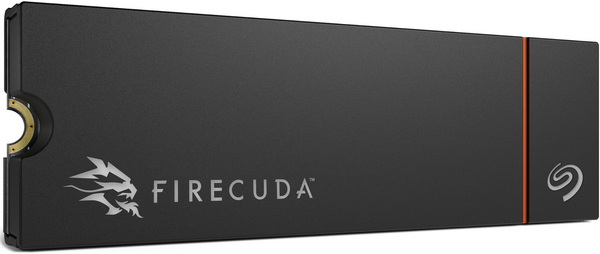
SSDs transformed system performance by removing mechanical limits and delivering instant responsiveness. PCIe Gen3 drives were the first big jump, offering reliable NVMe speeds that still hold up for everyday use. Then PCIe Gen4 SSDs arrived and doubled the available bandwidth, giving users noticeably faster game loading, smoother content‑creation workflows, and stronger sustained performance. They quickly became the practical performance tier-mature controllers, manageable thermals, and speeds that feel genuinely fast in real‑world tasks. PCIe Gen5 SSDs may push headline numbers even higher, but the trade‑offs are hard to ignore, hotter operation, mandatory heatsinks, inconsistent gains in everyday workloads, and pricing that doesn’t always match the real‑world benefit. For most users, PCIe Gen4 remains the smarter balance, fast enough to feel instant, stable enough for long sessions, and affordable enough to fit into mainstream builds without compromise. Sitting right in that sweet spot is Seagate’s FireCuda 530R with Heatsink 2TB, a PCIe Gen4 M.2 NVMe model built for dependable throughput and strong endurance.
Seagate is a global leader in mass-capacity data storage, having delivered over 4.5 billion terabytes of capacity over four decades. From edge to core to cloud, Seagate builds trust in data by delivering scalable, sustainable, and secure storage solutions. Learn more at www.seagate.com.
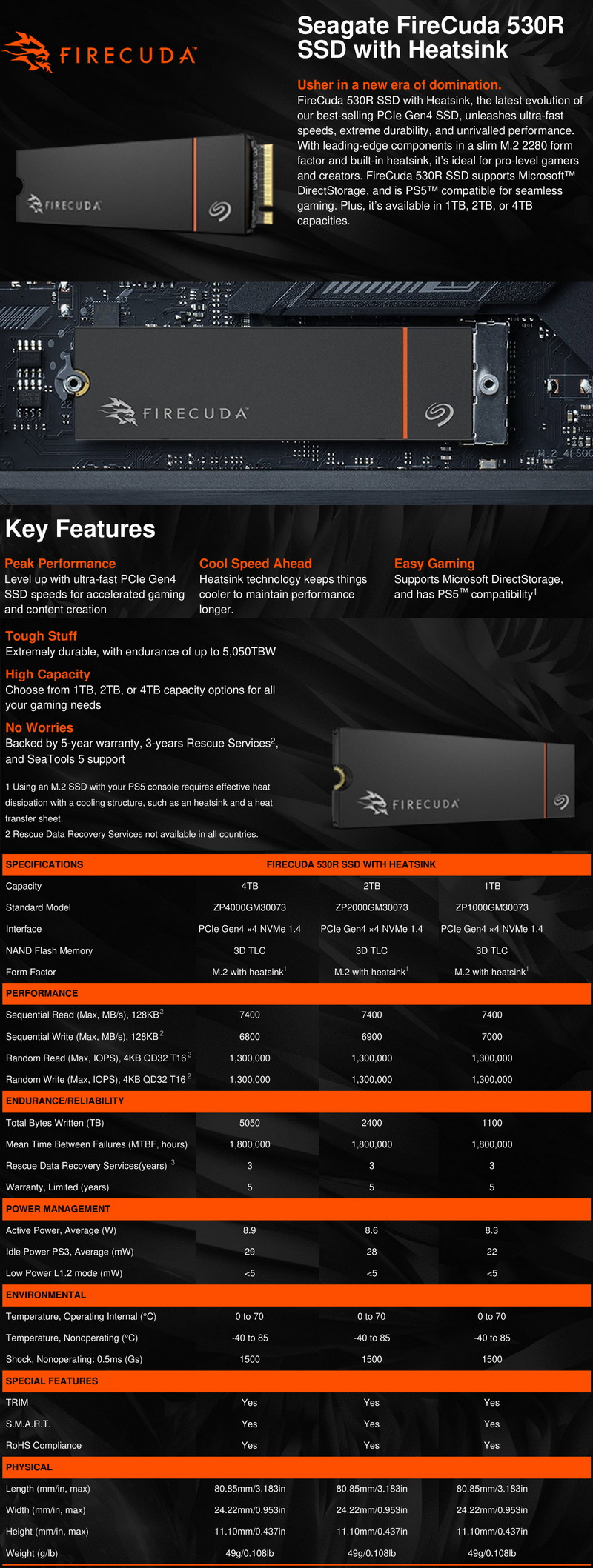
The FireCuda 530R line of PCIe 4.0 Gen4 SSDs includes models both with and without an aluminum heatsink (PS5 compatible) and in 3 different capacities (1/2/4TB). Under the hood of the FireCuda 530R 2TB variant, we find the 8-channel tri-core (32-bit ARM Cortex R5 CPUs) PS5018-E18 NVMe v1.4 compatible NAND flash controller by PHISON paired with 162-layer 3D TLC NAND flash by Kioxia (BiCS6) and 2GB of DDR4L SDRAM by SK hynix. The PS5018-E18 NAND flash controller by PHISON features their 4th Gen LDPC engine (low-density parity check) along with end-to-end data path protection, wear levelling, thermal throttling (70 degrees Celsius limit), TRIM, bad block management, dynamic range SLC cache and SmartECC (RAID ECC). Finally, as for endurance Seagate reports a TBW of 1100/2400/5050 for the 1/2/4TB models respectively and covers the entire FireCuda 530R line with a 5-year limited warranty.
SPECIFICATIONS AND FEATURES
PACKAGING AND CONTENTS
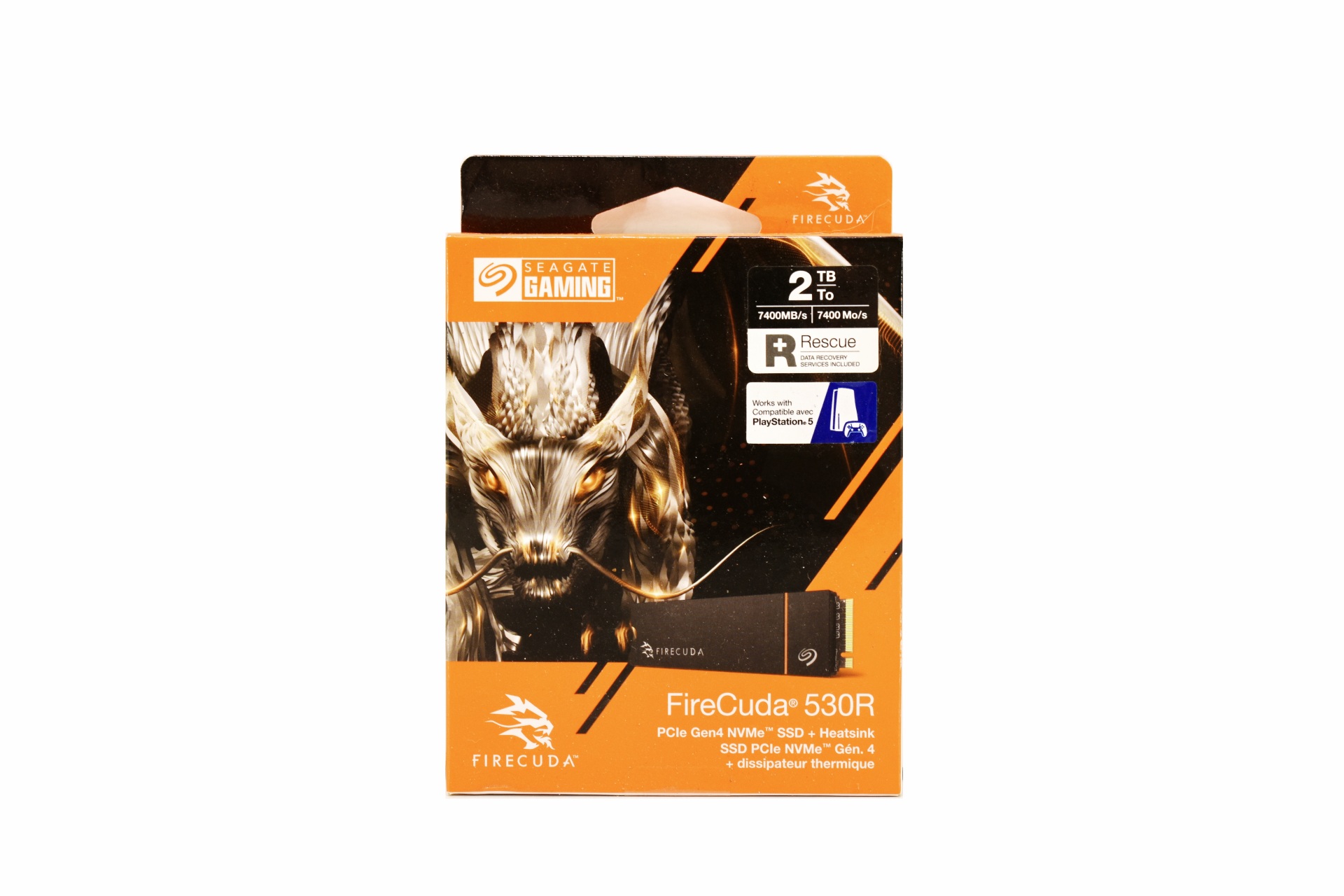
The FireCuda 530R is placed inside a box that has a product picture at the front next to the drawing of an animal, company logo, capacity, performance numbers, PS5 compatibility and the included data recovery service.
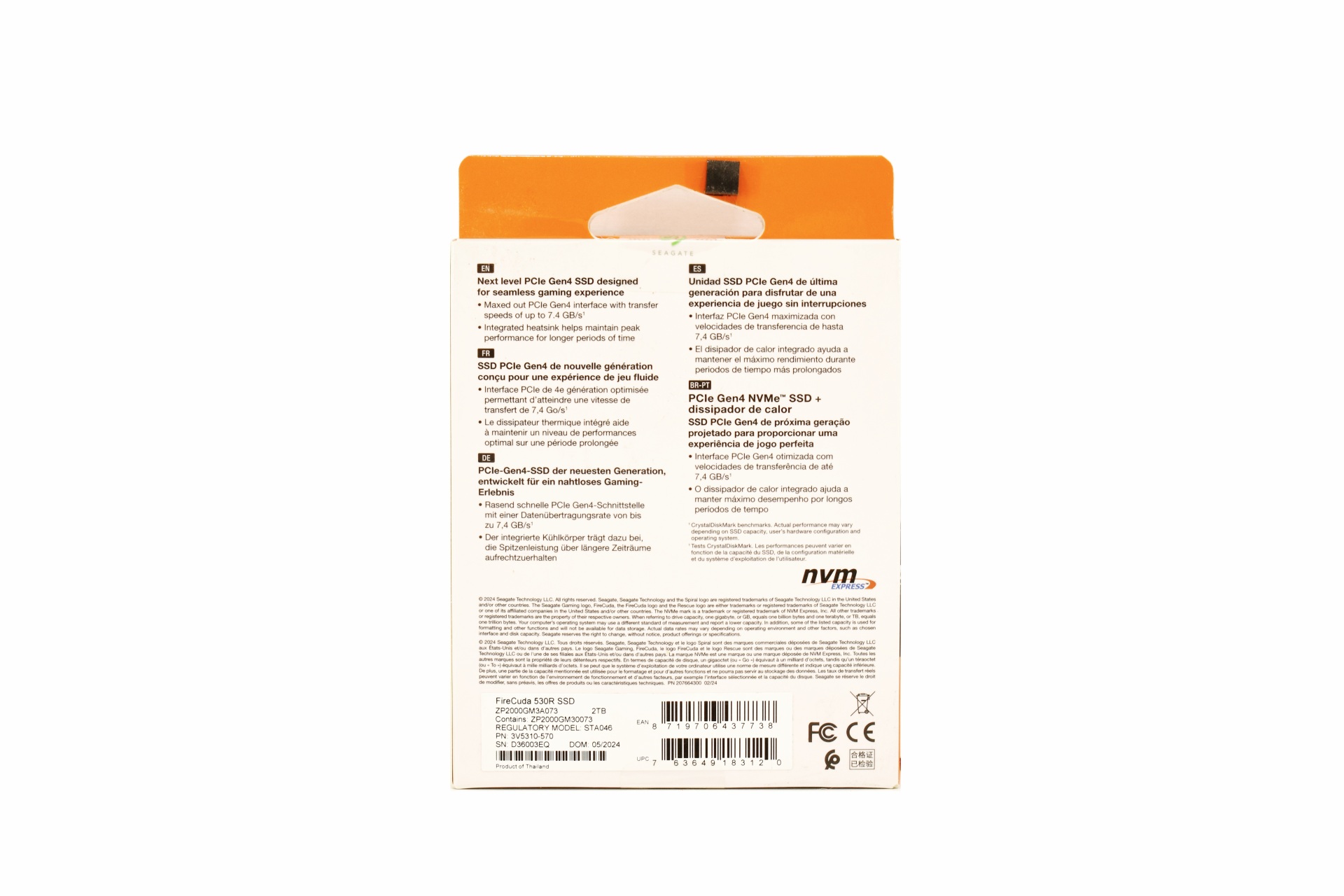
A few words about the product are printed at the rear in 5 languages and just over information about Seagate.
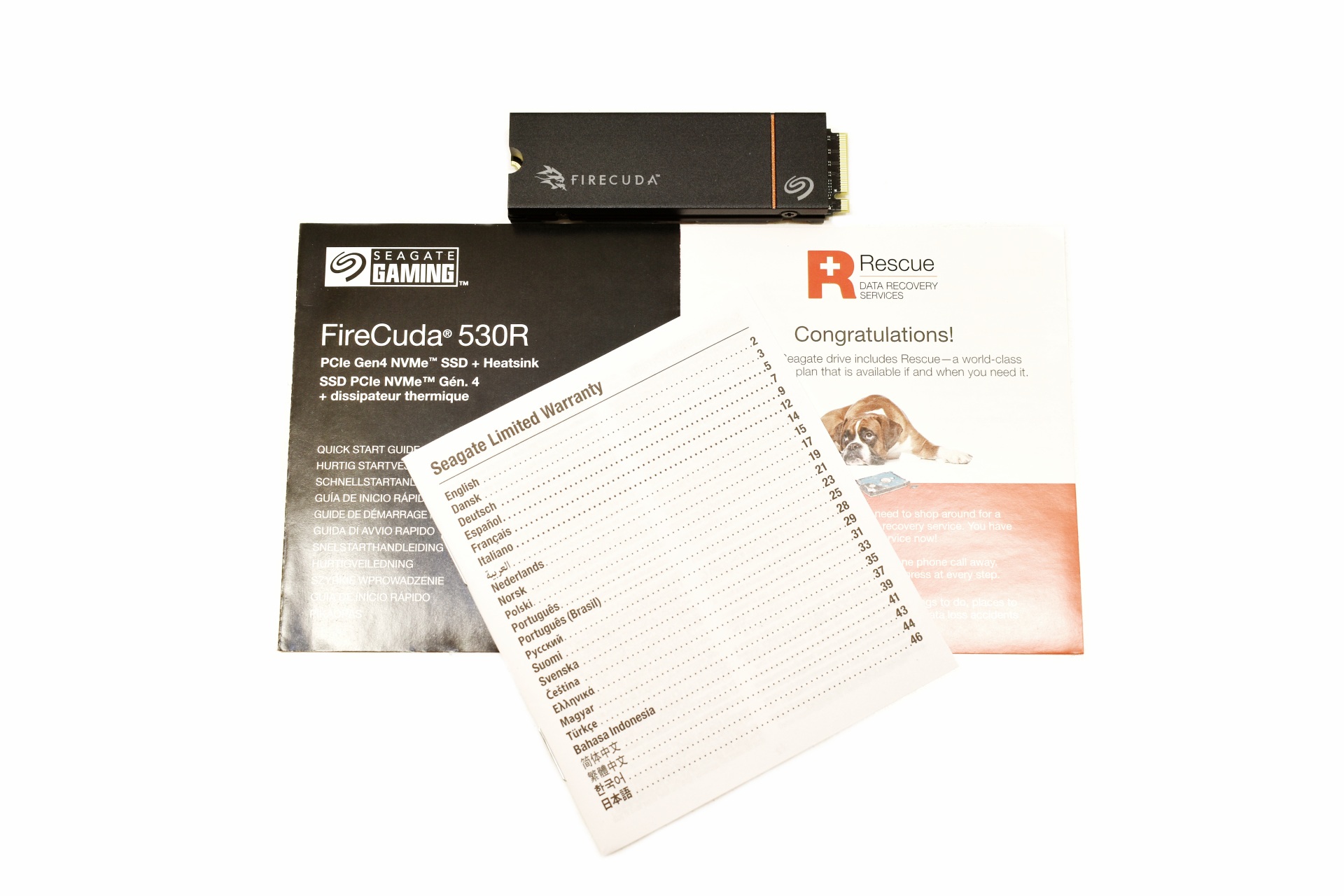
Inside the box Seagate has placed the FireCuda 530R SSD, Rescue Data Recovery Services paper, limited warranty paper and a quick start guide.
THE FIRECUDA 530R WITH HEATSINK 2TB
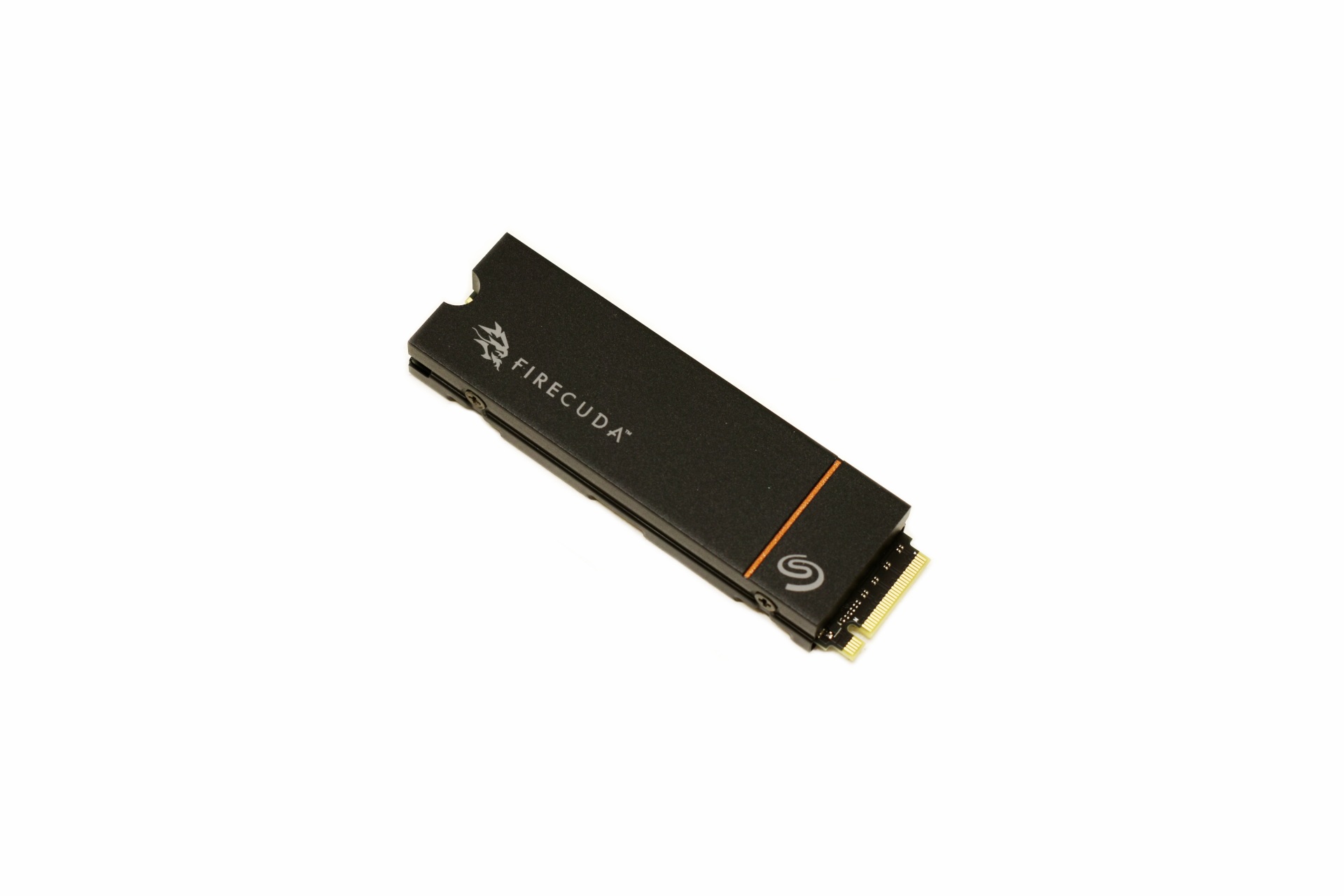
The FireCuda 530R Heatsink edition measures 80.85mm in length, 24.22mm in width and 11.10mm in thickness.
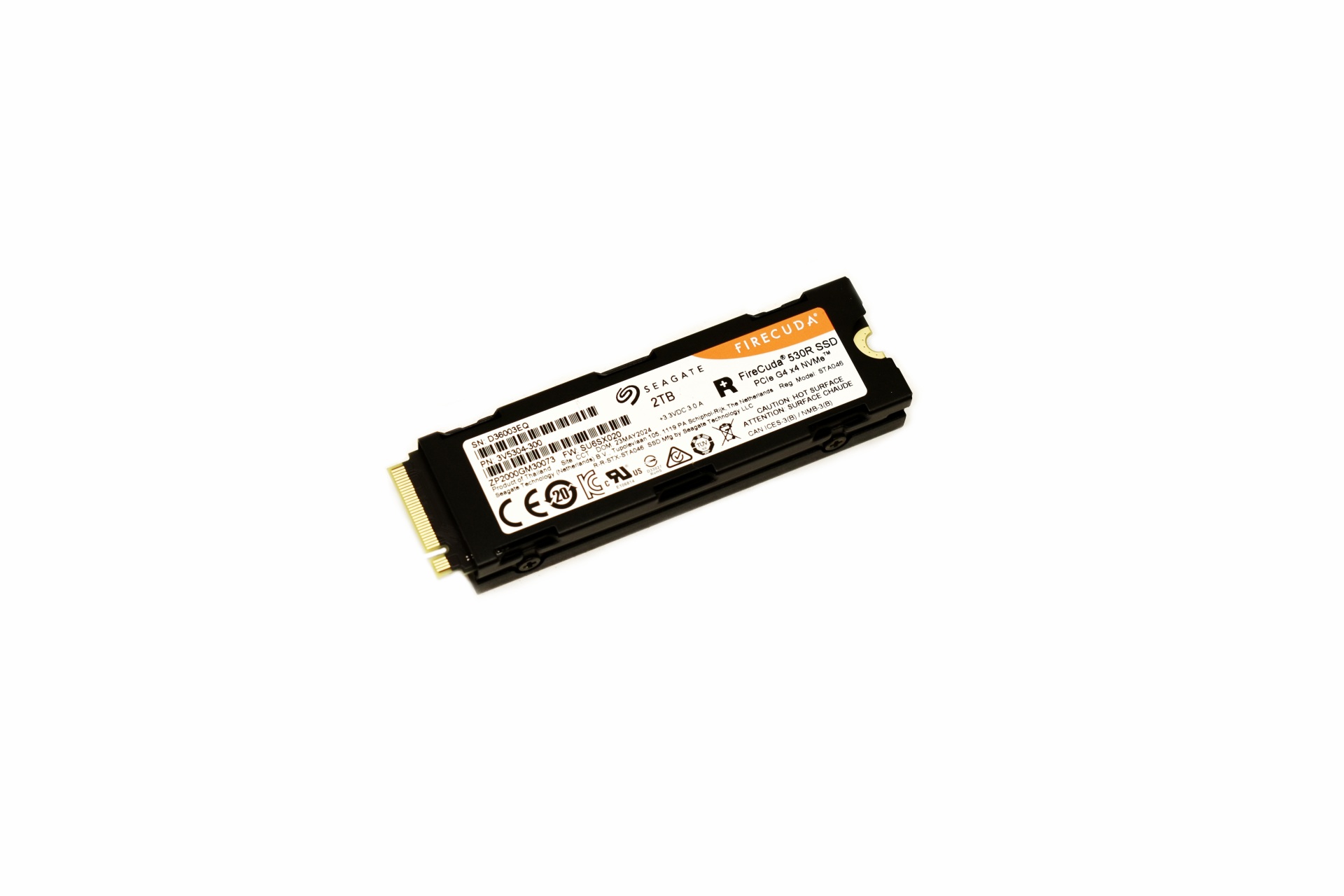
A sticker with the serial number and barcodes along with other details is placed at the base of the heatsink.
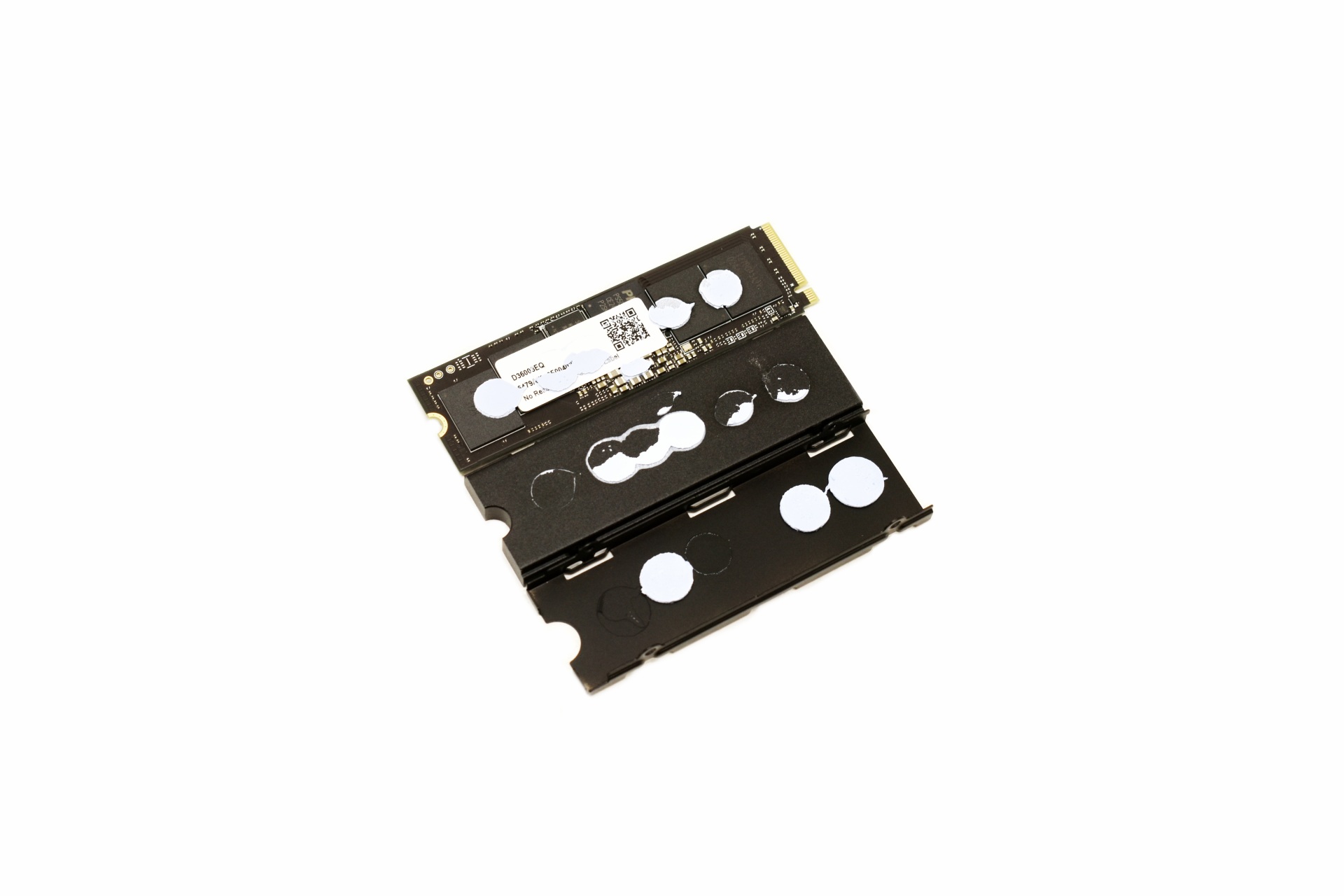
The heatsink is held in place with 4 screws so it's easy to remove.
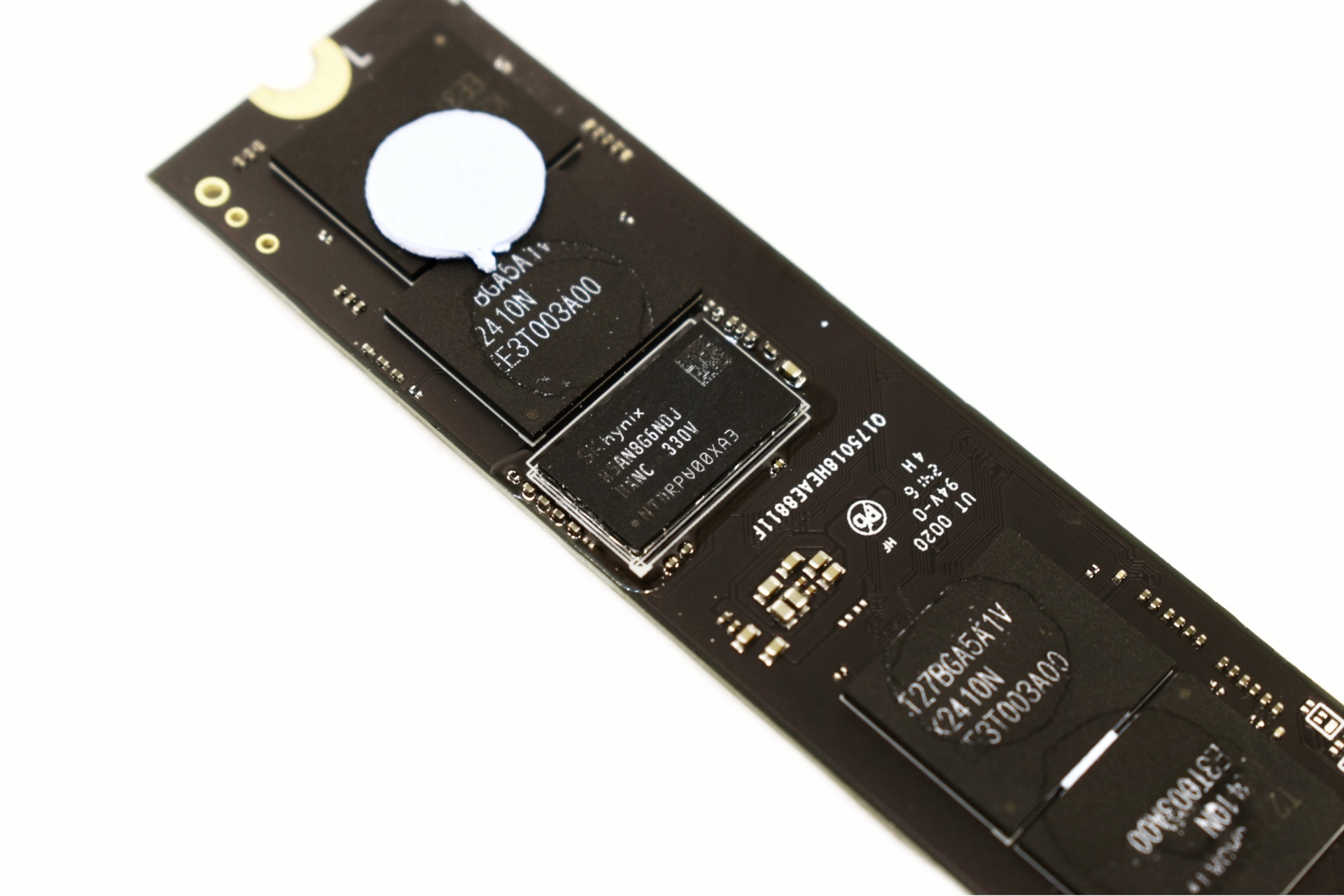
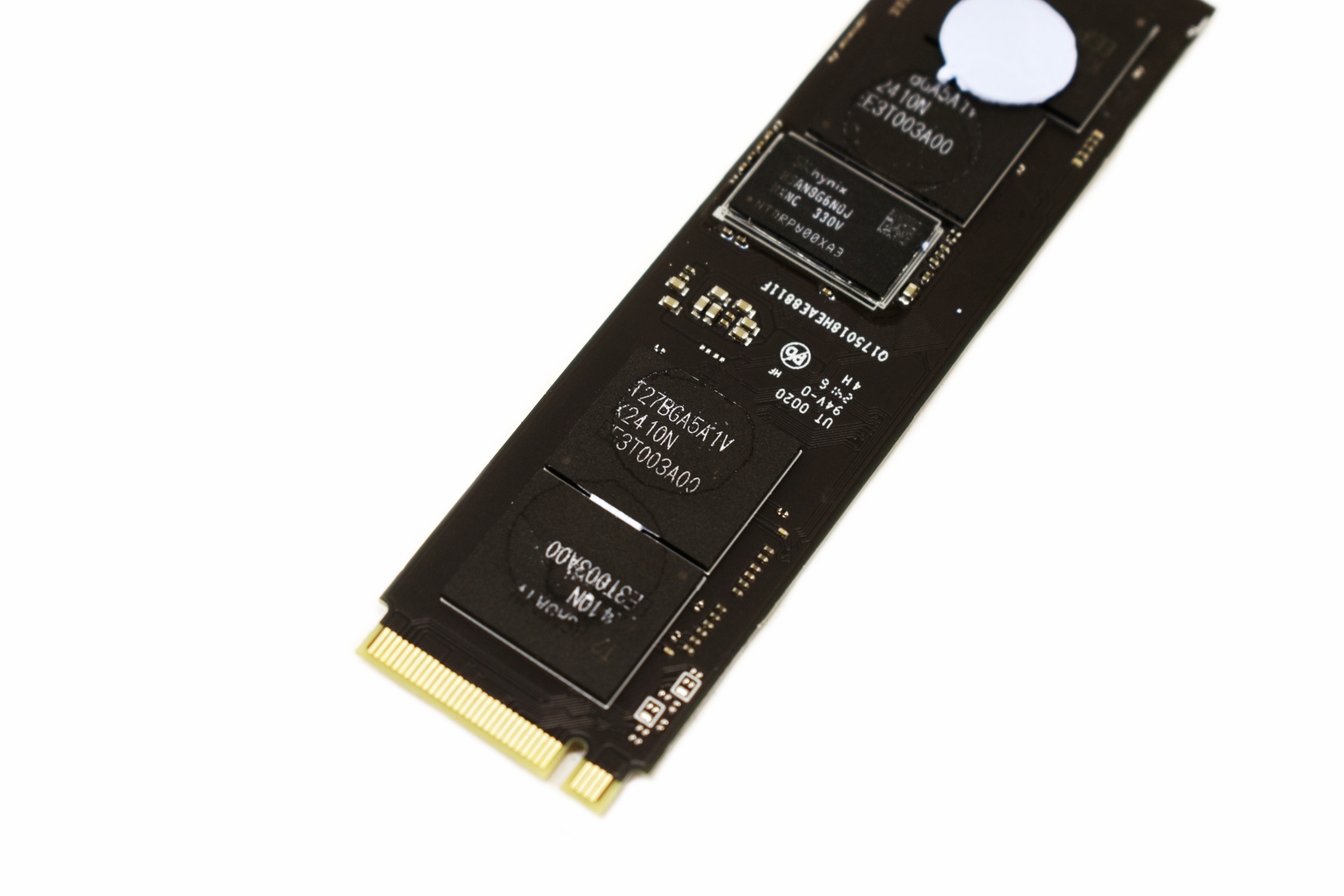 On the top side we find a 1GB DRAM module by SK Hynix and four Kioxia 162-layer 3D TLC NAND flash modules.
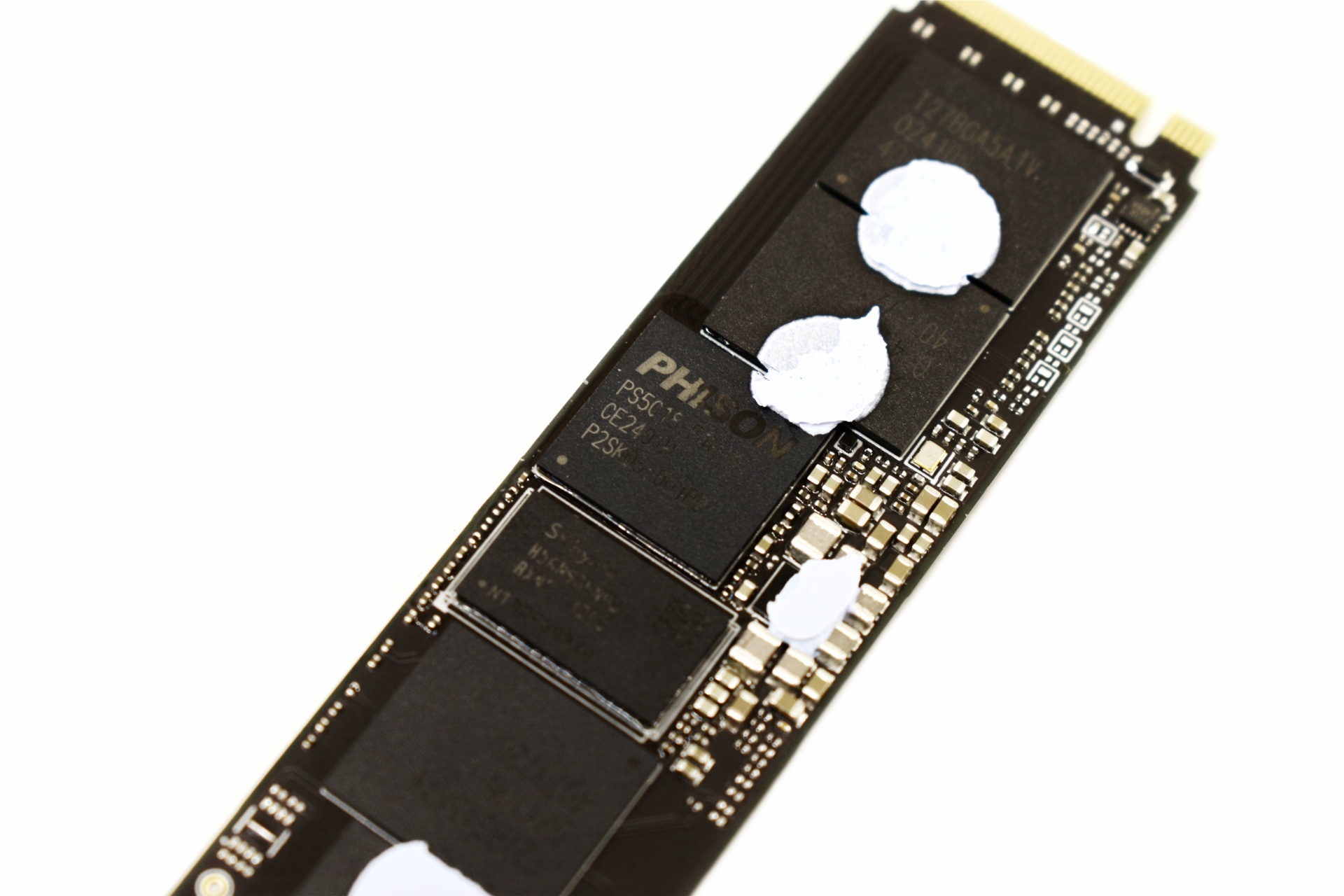
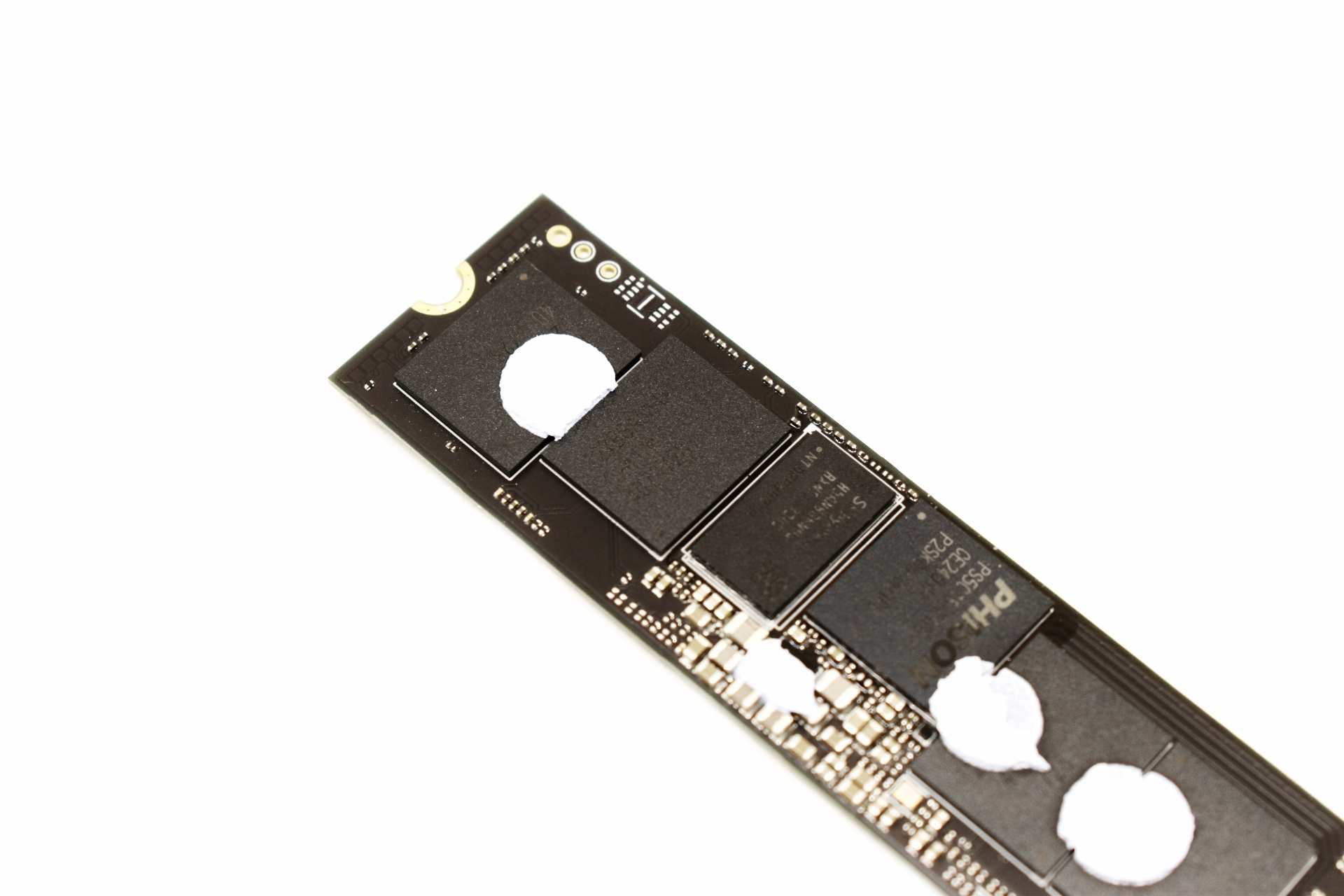
Moving to the other side we find the PS5018-E18 NAND flash controller by Phison, 1GB DRAM module by SK hynix and 4 Kioxia 162-layer 3D TLC NAND flash modules.
SEATOOLS SOFTWARE
Seagate doesn't have a dedicated software for their SSDs, instead you can use their "unified" SeaTools suite.
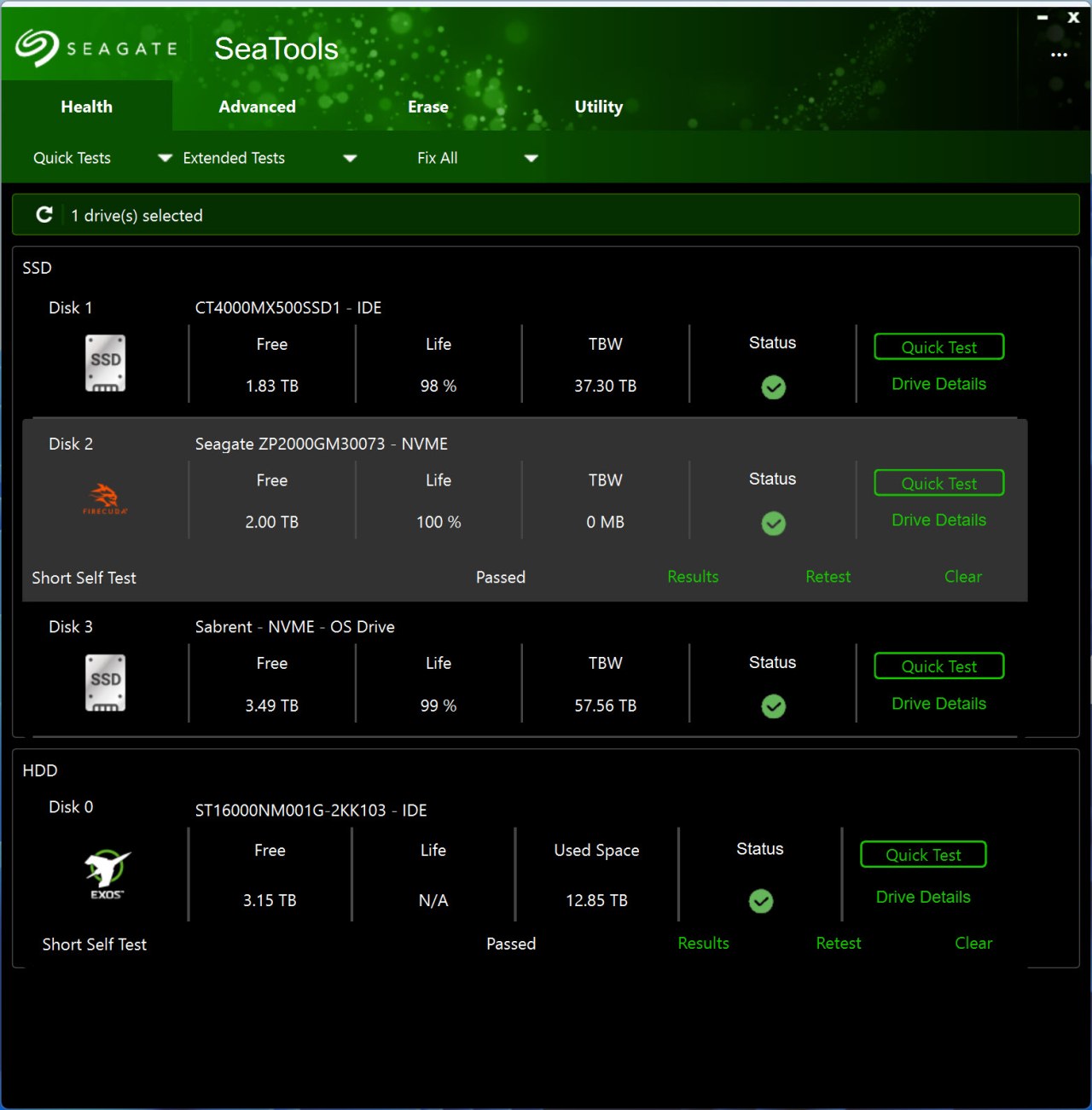
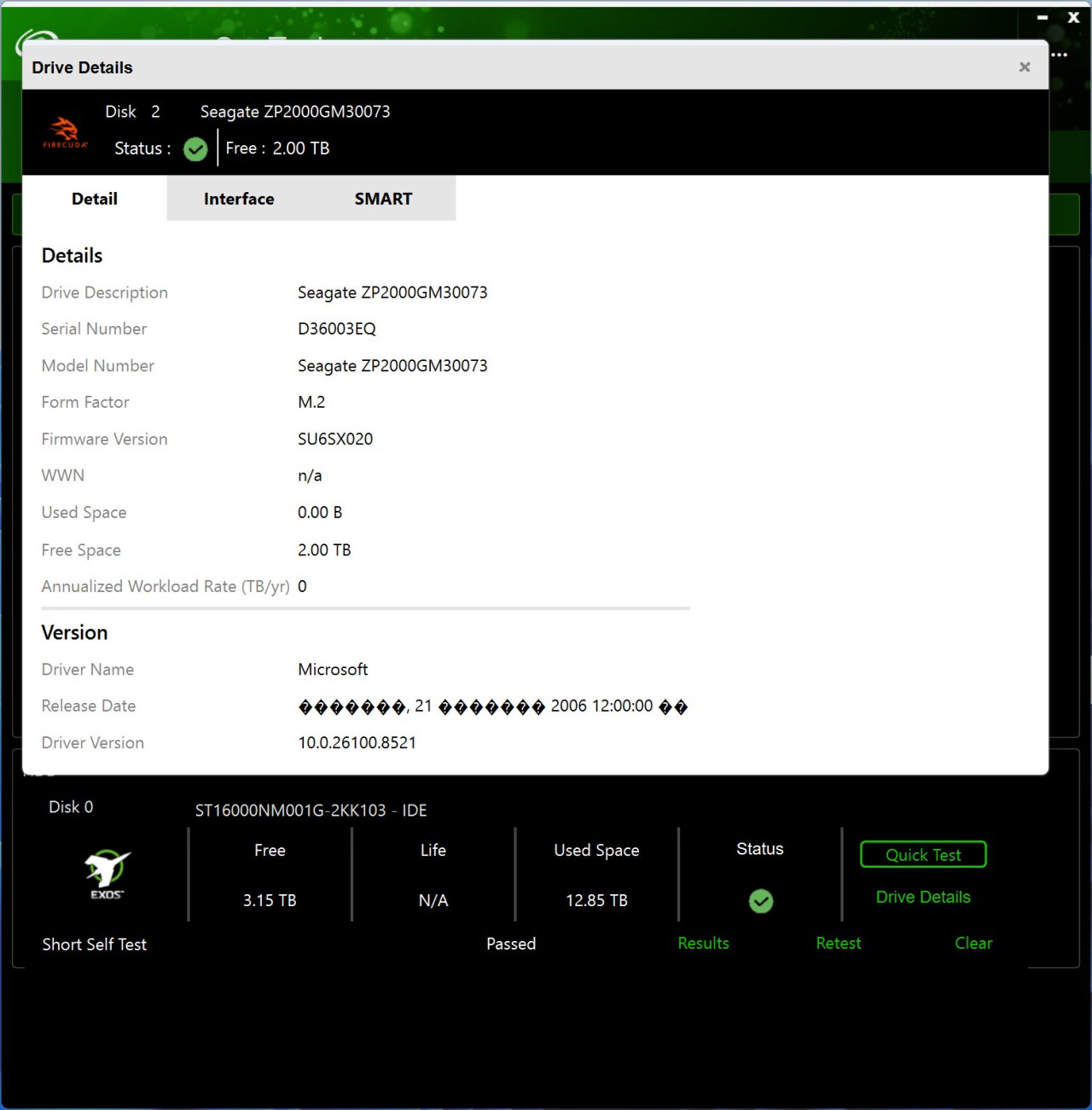
The health tab detects all available drives and allows you to run quick/extended tests and fixes (make sure to only use Seatools with Seagate drives - using it with other models may result in data loss) and check their SMART pages.
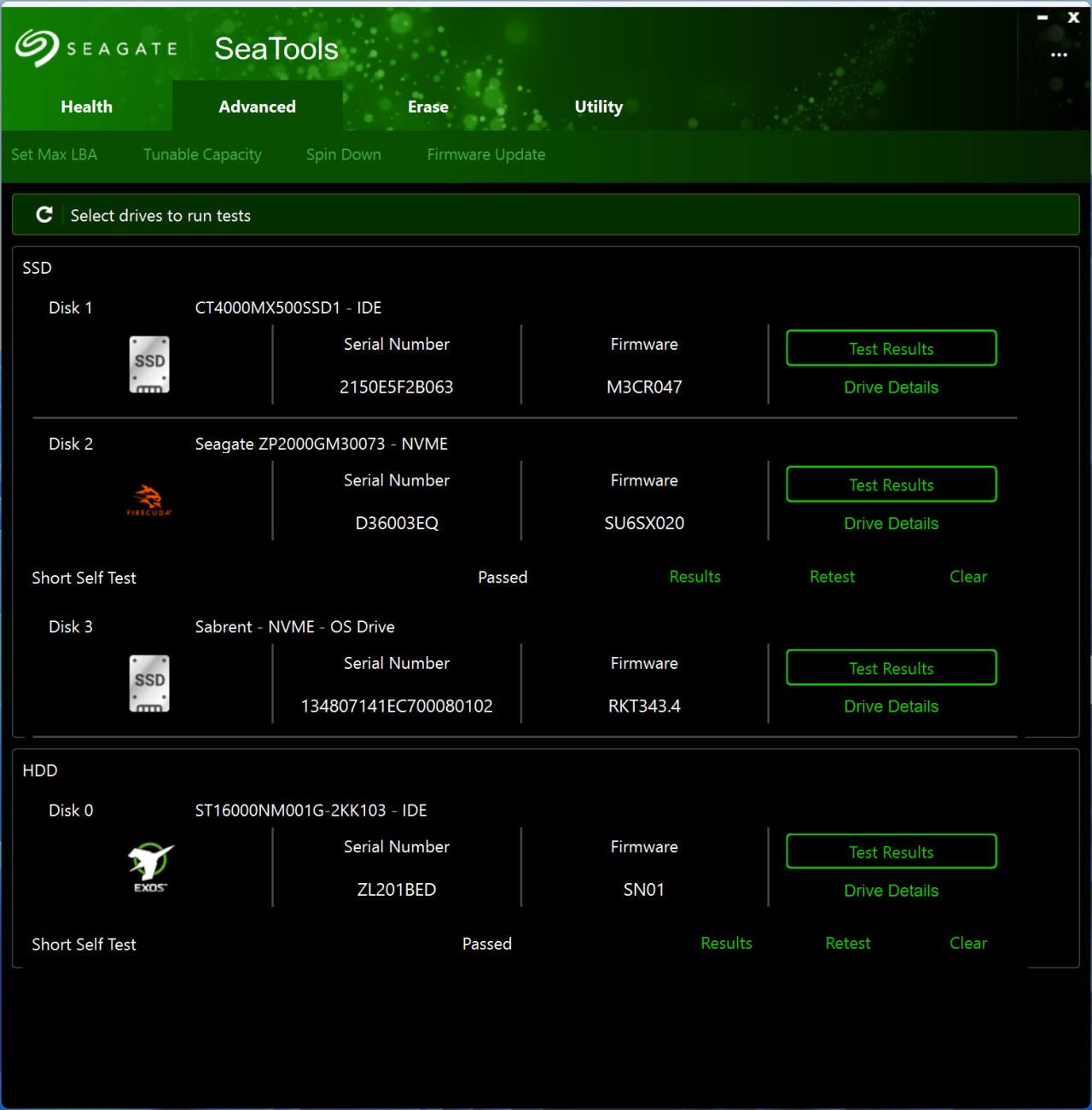
From the Advanced tab you can perform certain drive tweaks (mostly for mechanical models) and firmware updates (manual ones).
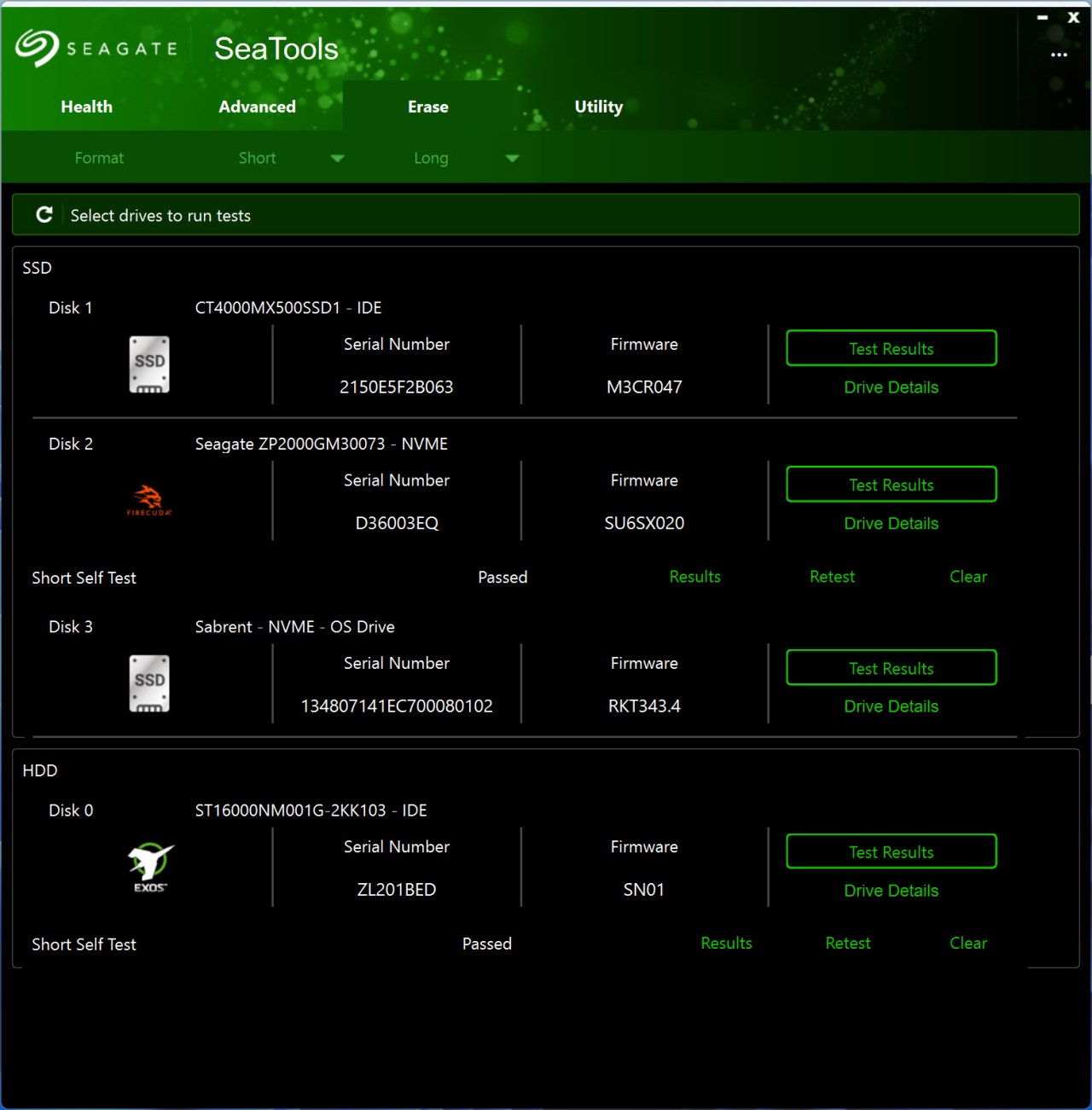
You can also securely erase your drives from the erase tab.
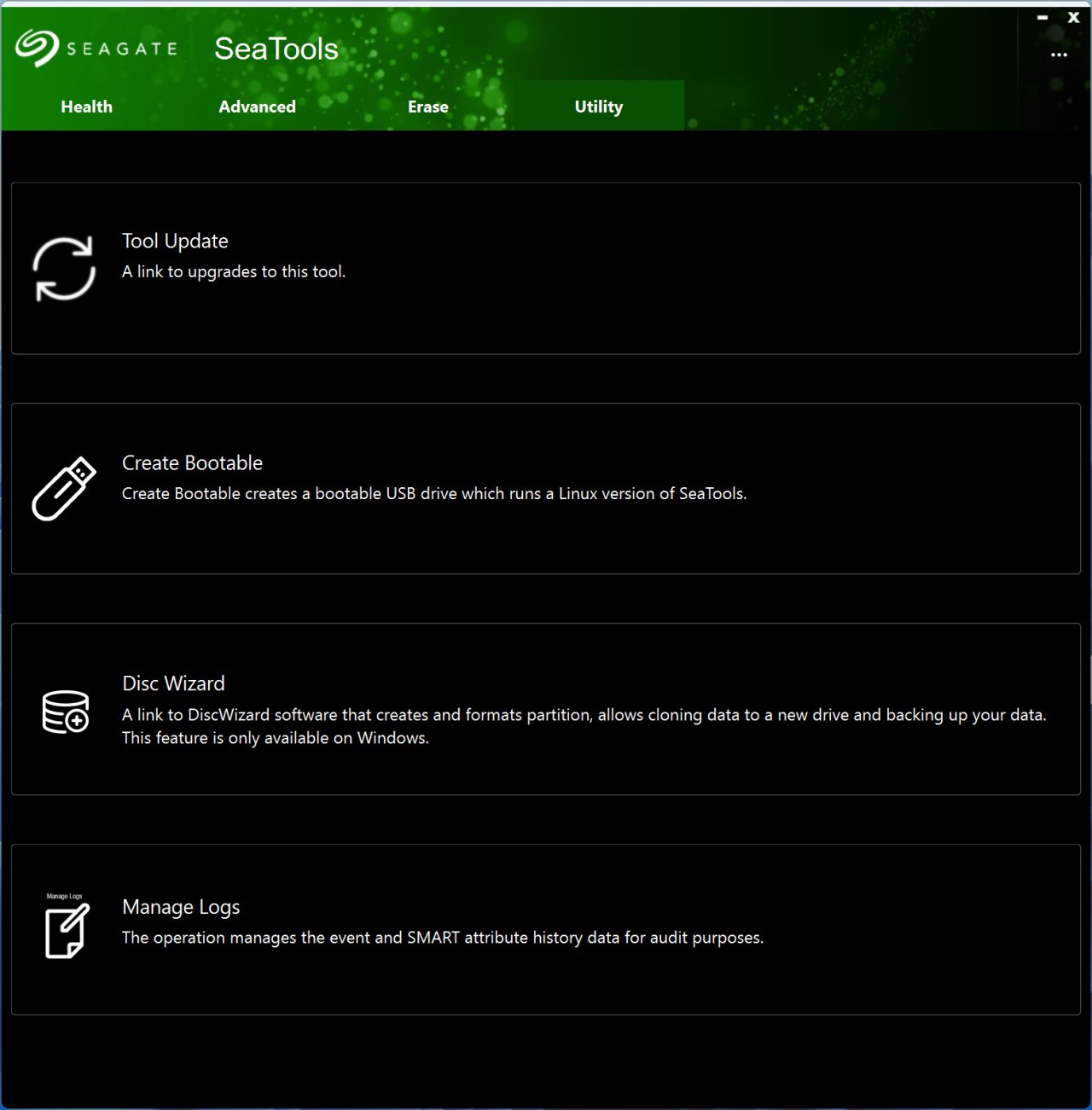
Inside the utility tab Seagate has placed a link from where you can check for updates for their SeaTools software, bootable Seatools feature, link to their Disc Wizard software and logs management.
TEST BED

TESTING METHODOLOGY
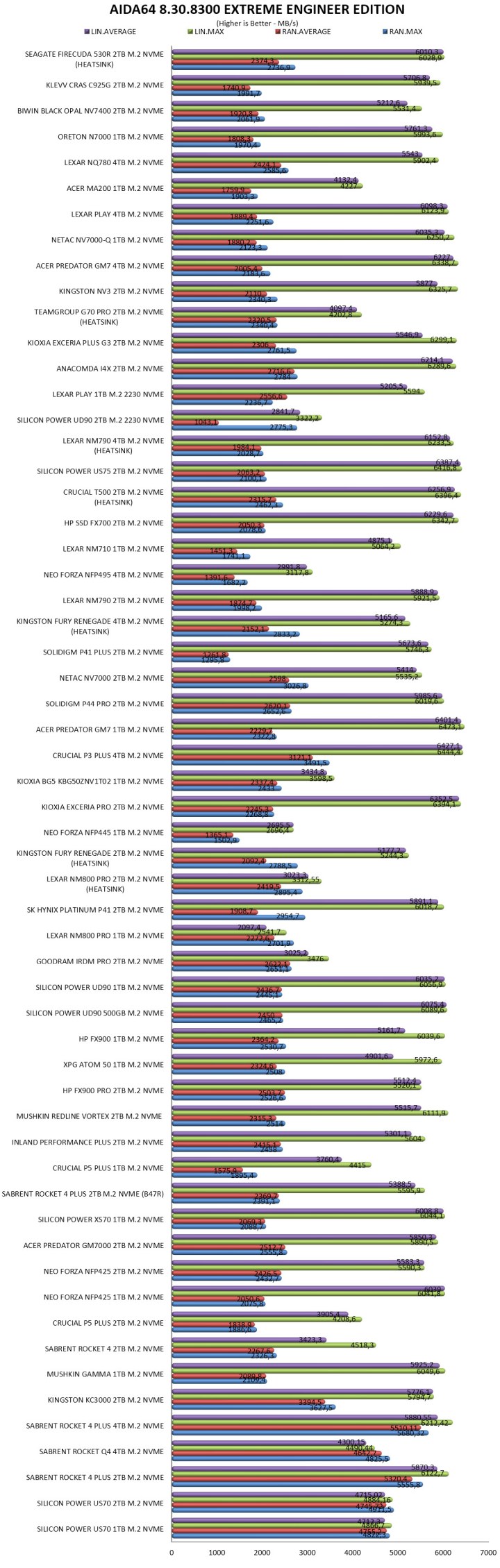
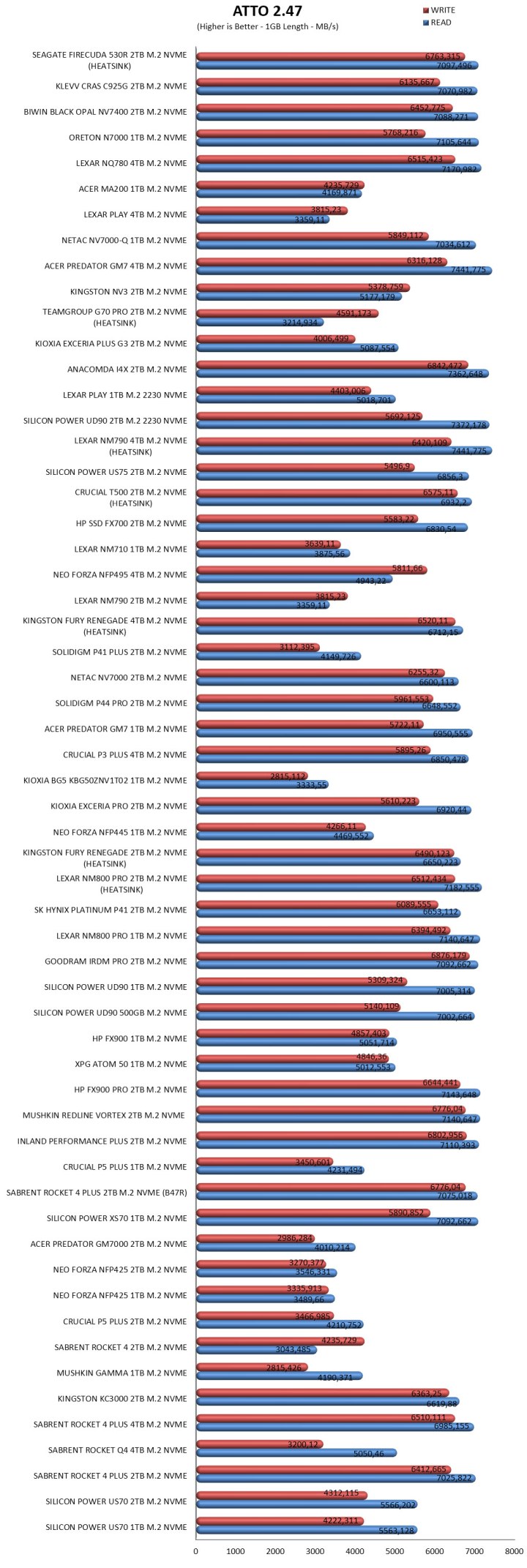
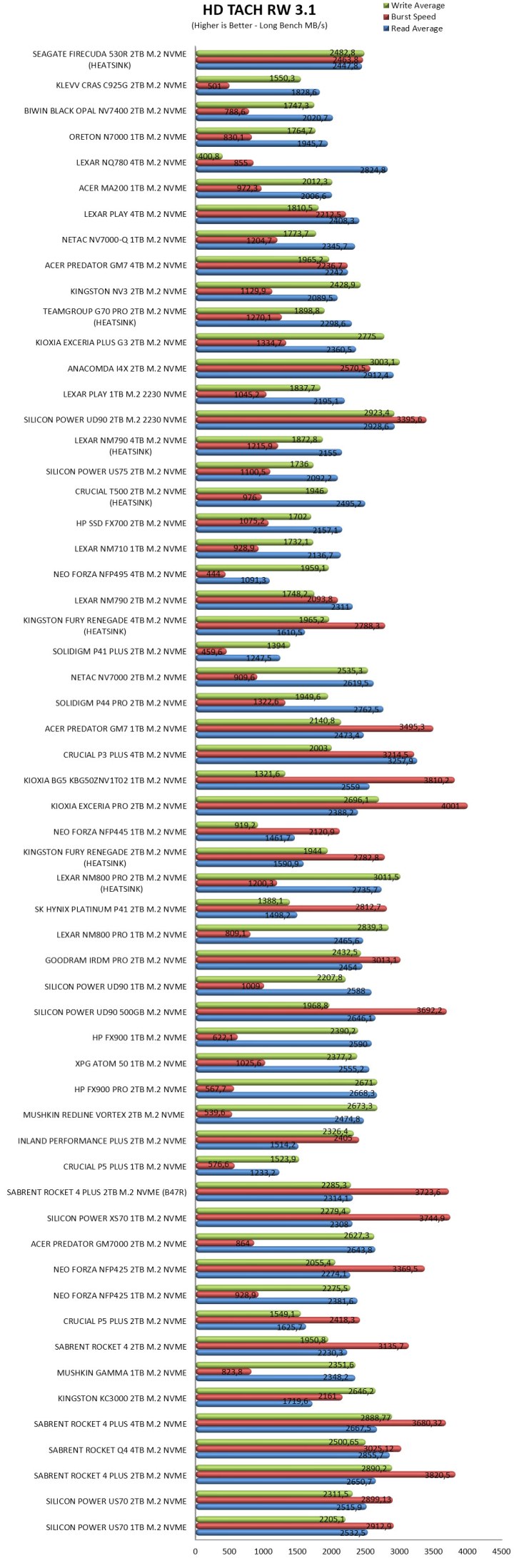
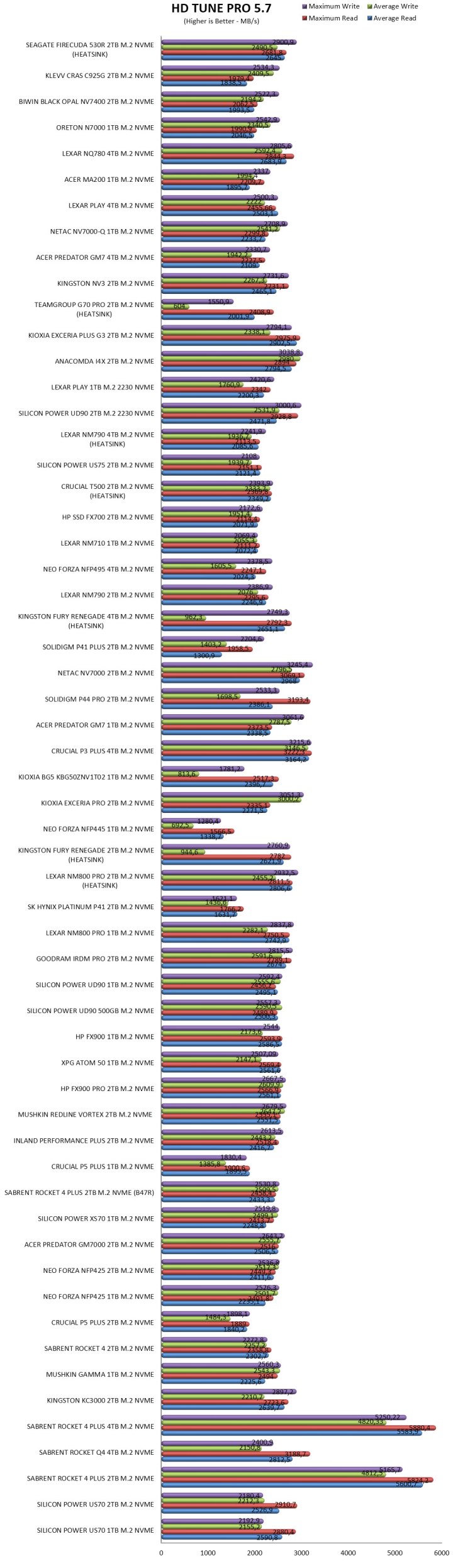
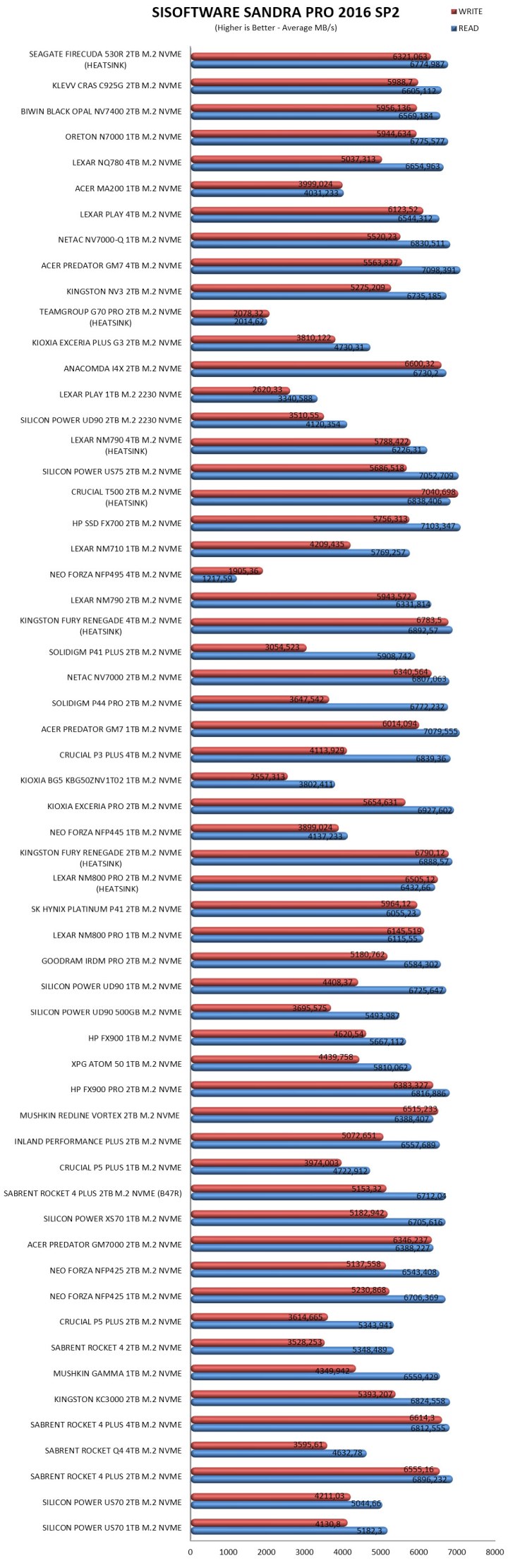
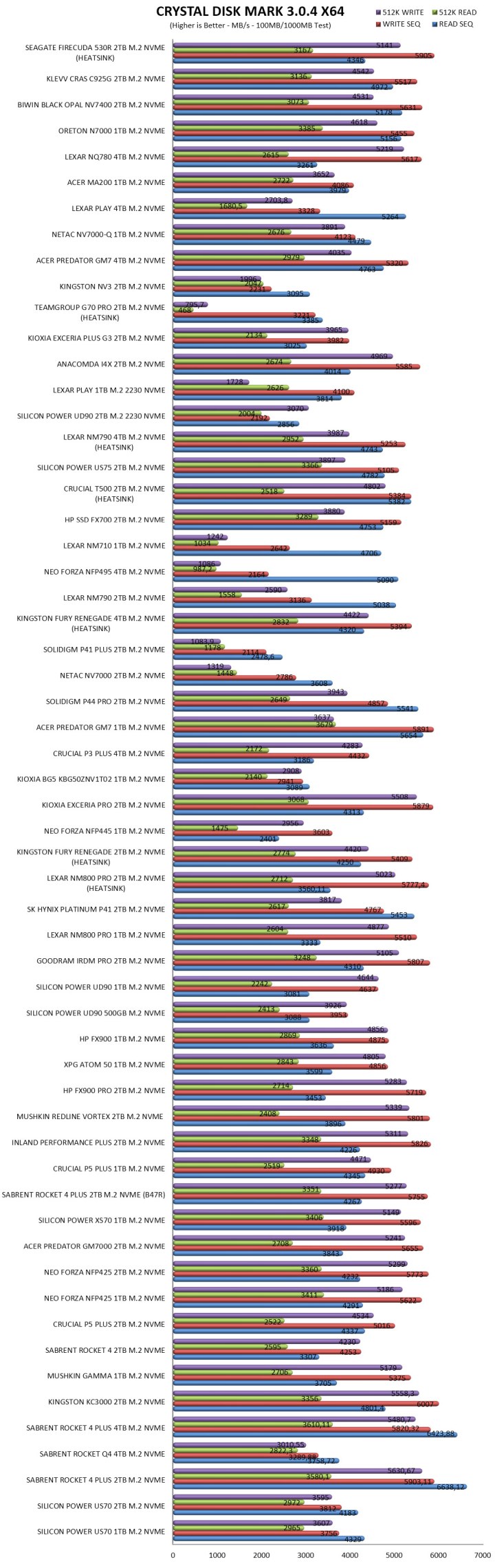
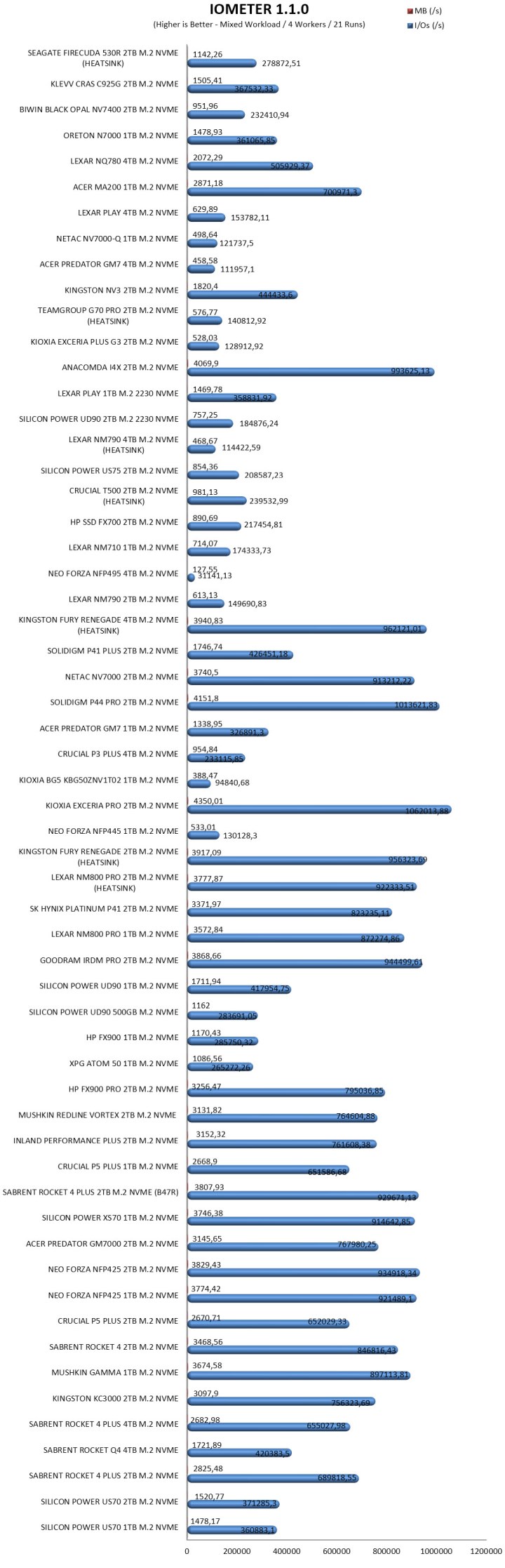
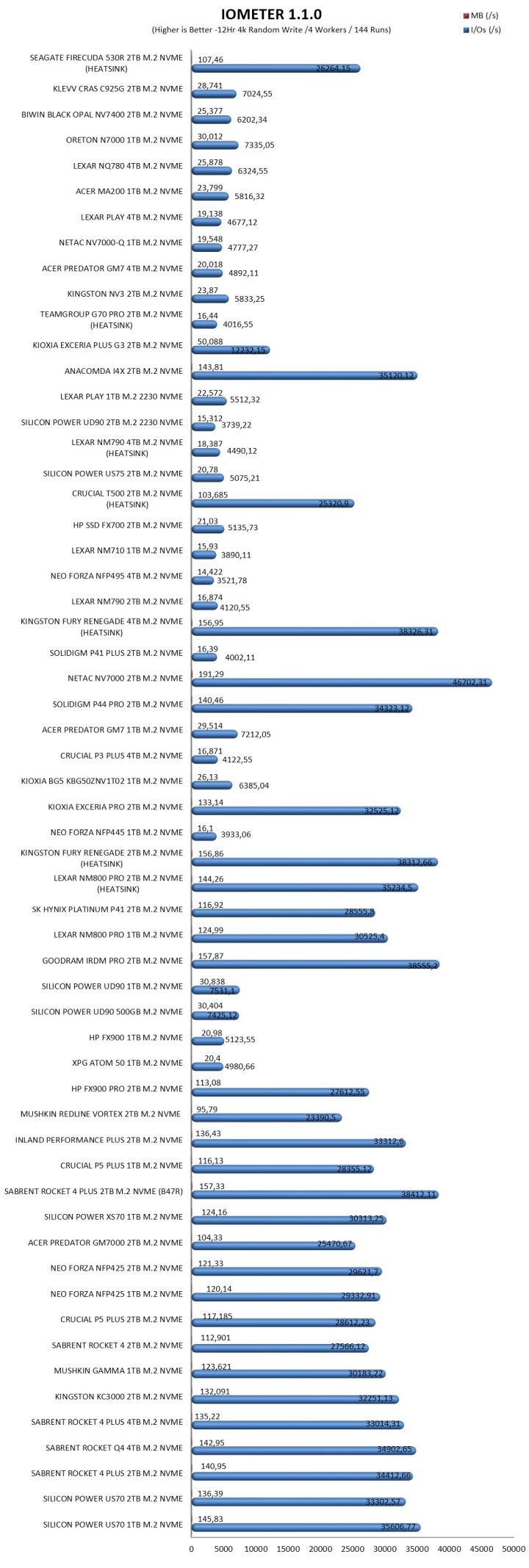
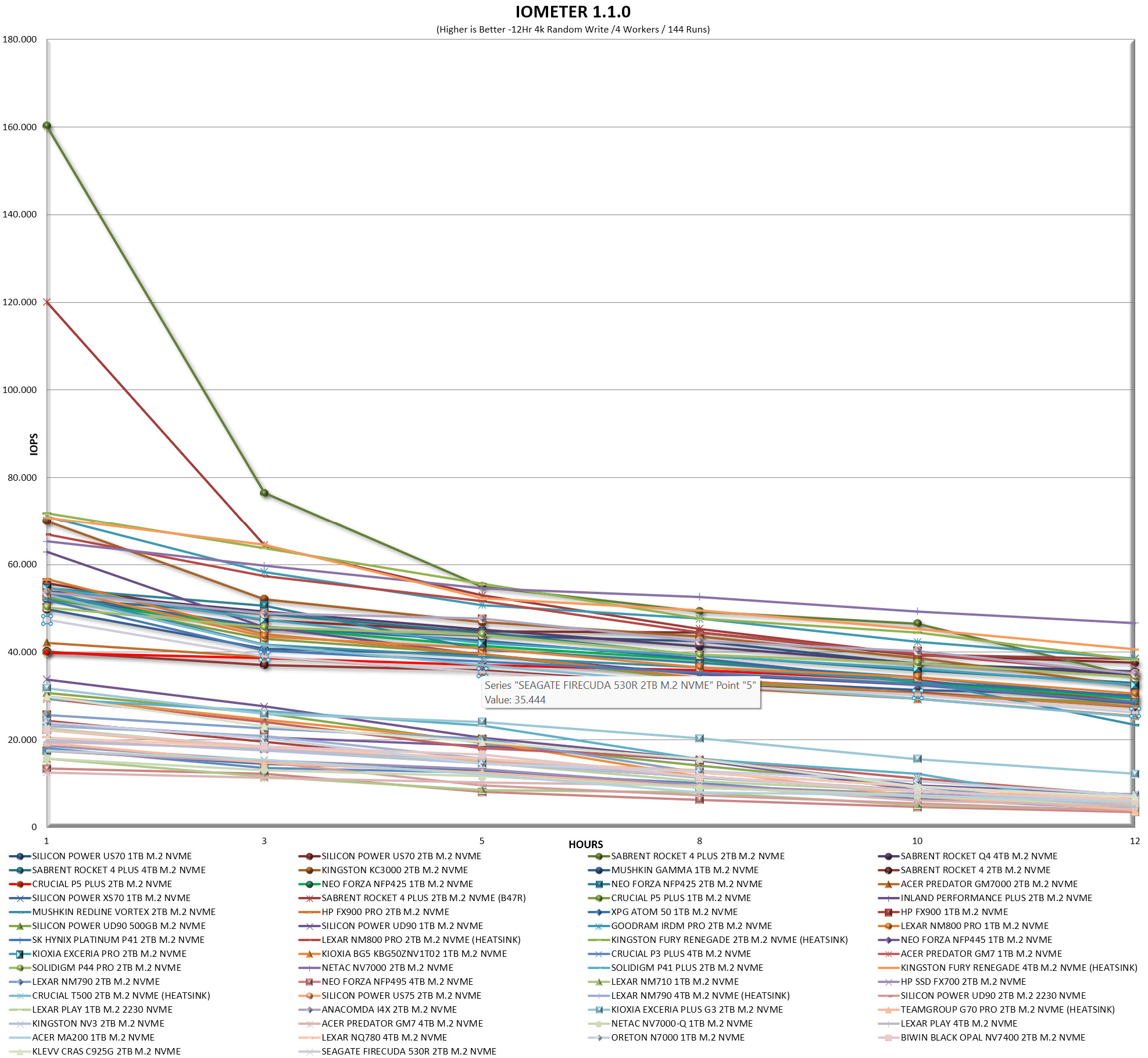
Not long after I first started testing SSDs back in 2008, I concluded that it's almost impossible for any single benchmark suite to accurately measure their performance and that's why in certain benchmark suites we see amazing read/write performance numbers with some drives while in other things are quite different. The reason behind this is that some benchmarking suites are configured to read and write random chunks of data while others read and write constant (sequential) ones. So that's why i always use a very wide selection of benchmarking suites including AIDA64, HD Tach RW, HD Tune Pro, Crystal Disk Mark, Sisoftware Sandra Pro, AS SSD, IOmeter and ATTO. To get the most accurate results each test gets repeated a total of 6 times with the average performance numbers recorded into the charts. Also, as of February 25th, 2015, our results will also include the Storage Networking Industry Association’s (SNIA) IOMeter tests. These tests include a 12 Hour write test used to “simulate” performance degradation over time and a mixed workload test which basically shows what you can expect when using an SSD continuously for roughly two hours. Unfortunately, due to the time required for these tests they get repeated a total of 3 times and not 6 as the above.
Many people have made inquiries about our charts in the past so once again please do keep in mind that the Charts have the average performance numbers of each drive recorded and not the peak (highest) ones. Also, although every single one of these programs can help potential buyers choose the right drive for their needs you should also remember that from any kind of benchmark up to real world usage the gap is not small (and usually most differences will go unnoticed by most people). All tests were performed in a fresh Windows 10 Pro x64 installation complete with every update up to the date of this review.
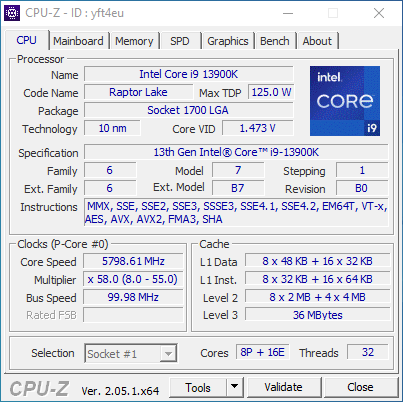
* As of January 2025, Gen4 SSDs will be tested on the 13900K/Z790 system while Gen5 SSDs will be tested on the 285K/Z890 system.
TEST RESULTS - AIDA64 / ATTO
TEST RESULTS - HD TACH RW / HD TUNE PRO
TEST RESULTS - SISOFTWARE SANDRA PRO / CRYSTAL DISK MARK
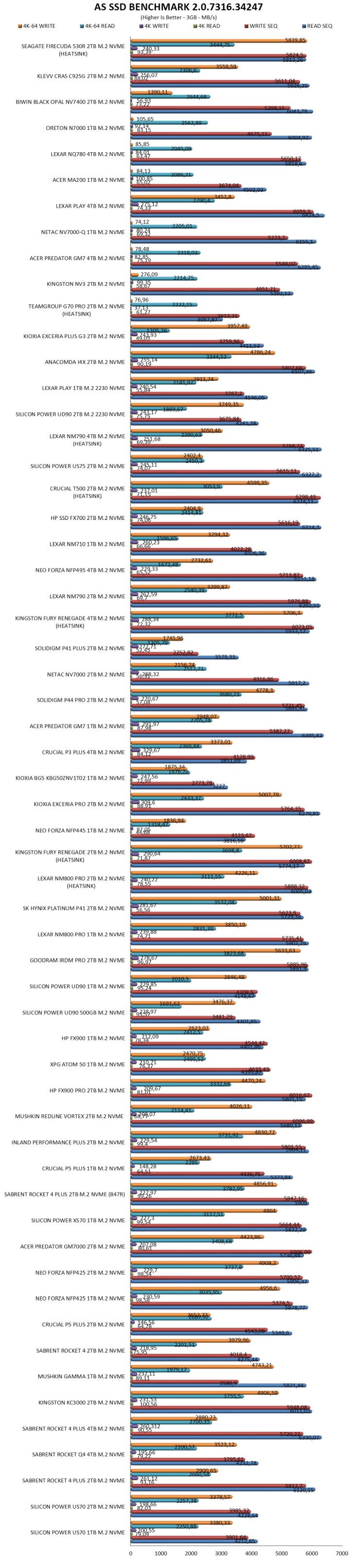
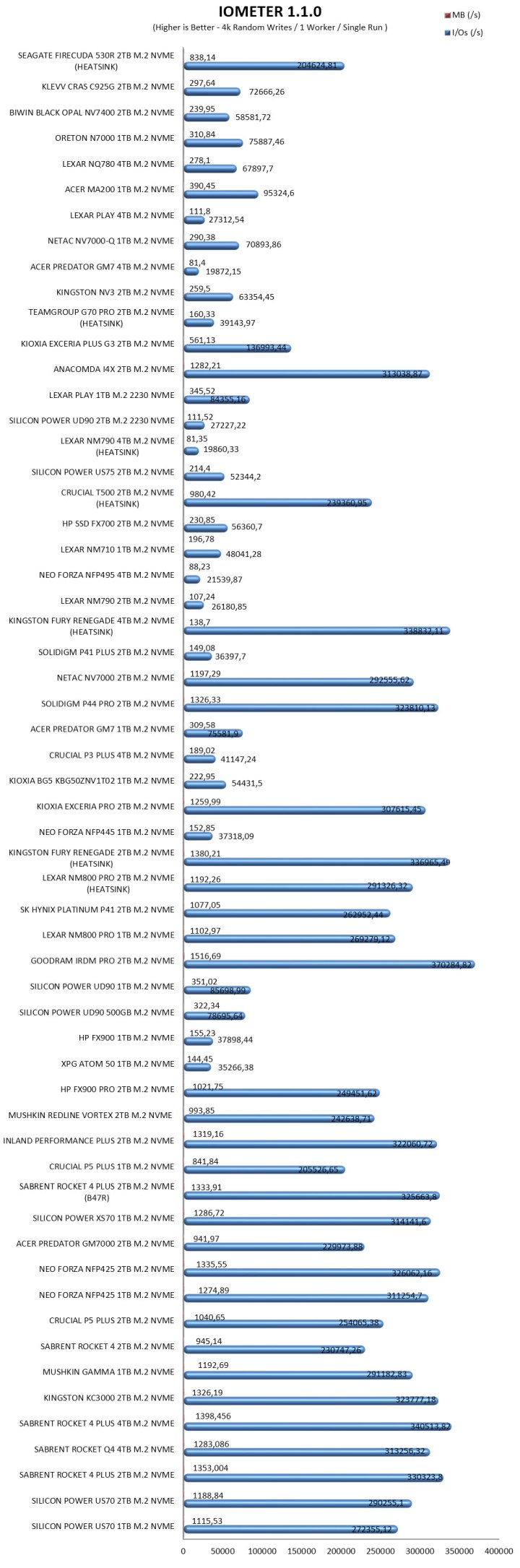
TEST RESULTS - AS SSD / IOMETER
TEST RESULTS - IOMETER SNIA
CONCLUSION
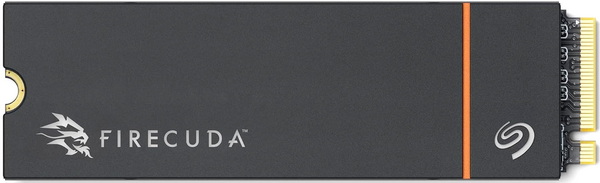
The Seagate FireCuda 530R delivers exactly what a top‑tier Gen4 SSD should, excellent real‑world speed, stable thermals, and long‑term reliability. At its core is the Phison PS5018‑E18 controller, one of the most proven Gen4 controllers on the market (that unfortunate incident with the Windows update is no longer a concern), known for sustaining high sequential performance without the thermal throttling issues seen in earlier Gen4 designs. Needless to say, both the 2GB SK hynix DRAM and Kioxia’s 162‑layer 3D TLC NAND (BiCS6) help with the drive’s low-latency, consistent performance, strong TBW ratings and long‑term stability. The included low‑profile heatsink keeps temperatures comfortably in check, making the FireCuda 530R a clean, drop‑in upgrade for PS5 users who want fast storage without worrying about thermal overhead. Endurance remains a highlight, with the 2TB model rated for 2400TBW and backed by a 5‑year warranty plus Rescue Data Recovery Services. The drawbacks are practical, there’s no 8TB option for users who need extreme capacity, and while SeaTools works reliably for monitoring but doesn’t offer the deeper tuning, firmware controls, or advanced settings found in competing brand utilities. Even so, the FireCuda 530R by Seagate stands as one of the strongest Gen4 offerings available, combining high‑end components with dependable thermals and endurance.
At around USD499.99 inside the USA (Amazon.com) and for 218.62Euros inside the EU (Amazon.de) the 2TB capacity of the FireCuda 530R with heatsink by Seagate is priced well, at least on this side of the Atlantic. Leaving cost out of the equation the FireCuda 530R with heatsink Gen4 SSD by Seagate delivers on everything from speed and endurance to low temperatures, PS5 compatibility and even probably the best all-around warranty and for that it deserves the Golden Award.
PROS
- Excellent Gen4 Performance
- Heatsink Version (PS5 Compatible)
- Endurance (2400TBW)
- 5 Year Limited Warranty & Rescue Data Recovery Services
- Price (EU)
CONS
- Price (USA)
- Only Up To 4TB