



INTRODUCTION
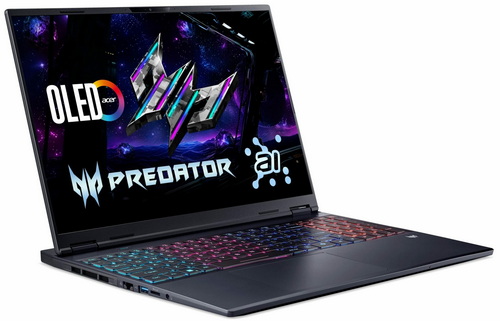
The laptop landscape has matured into clear categories, ultra-portable ones optimized for mobility, creator machines tuned for color accuracy and rendering, and gaming ones engineered for raw throughput. The latter have become showcases for cutting‑edge silicon, advanced cooling solutions, and high‑refresh displays that rival desktop setups. As AI assisted workloads begin to influence hardware design, gaming laptops are evolving again, this time toward smarter performance management and more efficient resource allocation. Acer’s Predator Helios Neo 16S AI enters this environment with a configuration built around next‑gen components and AI‑driven tuning.
Founded in 1976, Acer is one of the world's top technology companies with a presence in more than 160 countries. The company continues to evolve by embracing innovation across its offerings, which include computers and displays, while branching out to new businesses. Acer is also committed to sustainable growth, exploring new opportunities that align with its environmental and social responsibilities. The Acer Group employs nearly 12,000 employees that contribute to the research, design, marketing, sales and support of products, solutions, and services that break barriers between people and technology. Visit www.acer.com for more information.
Acer’s Predator Helios Neo 16S AI lineup spans Intel’s Core Ultra Series 2-3 processors, starting with Ultra 7 models and scaling up to the flagship Ultra 9 386H, paired with NVIDIA GPUs ranging from the GeForce RTX 4060 all the way to the GeForce RTX 5070 Ti and RTX 5080. It’s a broad stack that covers everything from mid‑range gaming to near‑flagship performance. The configuration under review sits just below the top tier and is equipped with the Intel Core Ultra 9 275HX, NVIDIA GeForce RTX 5070 8GB, 32GB of DDR5‑6400, 2TB PCIe Gen4 NVMe SSD, 4-zone RGB backlit keyboard, HDMI v2.1 output, 76Wh Lithium-Ion battery, MicroSD card reader, 5G RJ45 Ethernet port and Killer Wi-Fi 6E 1675i with Bluetooth v5.4. The configuration is rounded out by a 16‑inch 2560x1600p OLED display delivering HDR 500 class contrast, deep blacks, and pixel‑level lighting control, paired with a 240Hz refresh rate, 0.2ms class response times and NVIDIA G-SYNC thus giving fast‑paced games exceptional motion clarity. The 16:10 aspect ratio provides more vertical workspace, and the WQXGA resolution keeps text sharp and visuals crisp without pushing the GPU into unnecessary overhead. It’s a balanced, upper‑tier spec laptop model that showcases the platform’s strengths without stepping into the extreme configurations.
SPECIFICATIONS AND FEATURES

PACKAGING AND CONTENTS

Acer uses a box from recyclable materials which at its front has the Predator logo.

The product specifications, serial number and barcode are all printed on a sticker located on the left side.

At the rear we find several certifications, lithium battery warning label and the Predator logo.

The laptop is wrapped inside a synthetic cover and placed between two thick pieces of cardboard (probably also from recycled materials).

Contained inside the box are the Predator Helios Neo 16S AI laptop with its power adapter and cord, two warranty information papers, regulatory information paper, contact information paper, Planet9 card and the setup guide.
THE HELIOS NEO 16S AI

Just like most modern gaming laptops the Helios Neo 16S AI is a compact model that weighs just 2.3Kg.

In terms of design, it may not be quite as exciting as the Lenovo Legion Pro 7 model but it looks nice.

Worth pointing out is that the exact same model is also available with a 16" IPS screen instead of this OLED one.

There's also a webcam (1920x1080@60fps) complete with an integrated IR camera and its own microphone on top of the screen.

The touchpad is large enough so no problems here (although I prefer using a mouse).

Two activity LEDs, two USB-A 3.2 ports and three fan exhausts are located on the right side of the chassis.

A 3.5mm headphone port, microSD card reader, RJ45 5GbE port and three more fan exhausts are on the left side.

Moving at the rear we find 6 more fan exhausts, DC in, HDMI v2.1 out, and two USB-C ports.

The power supply supports up to 230W and so peak electrical consumption should be considerably lower.
TEST BED
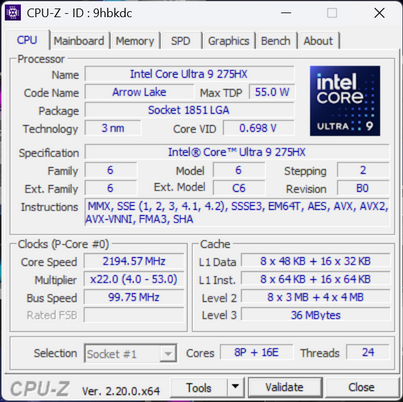
TESTING METHODOLOGY
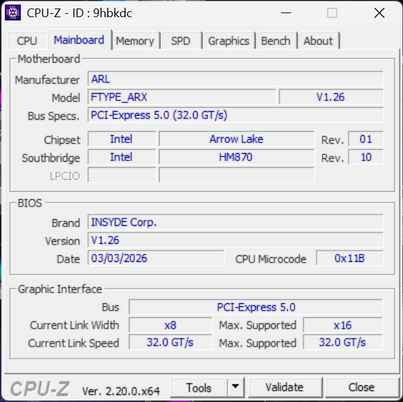
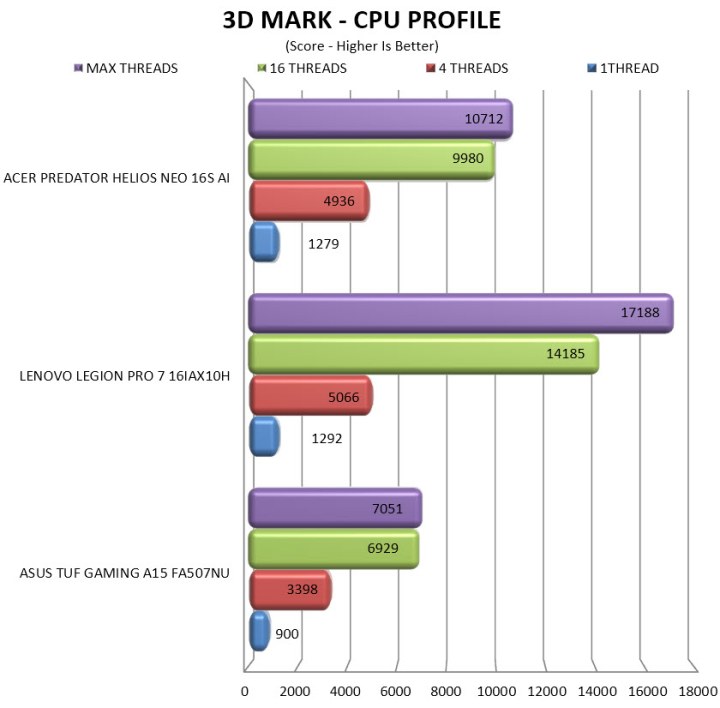
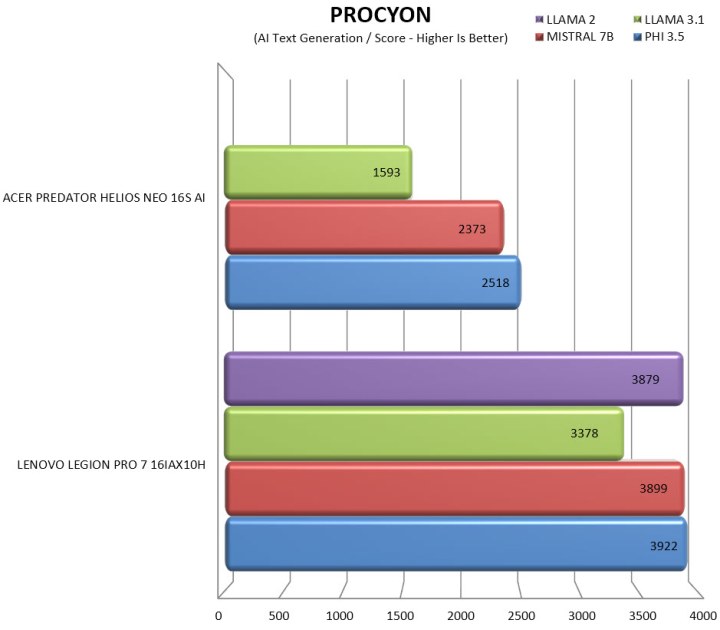
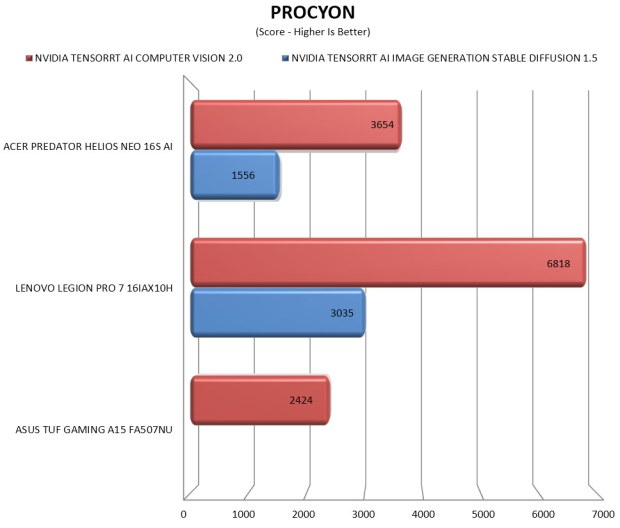
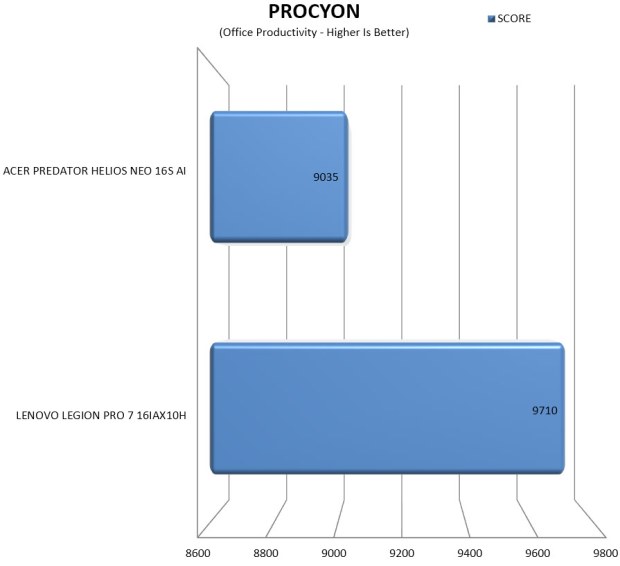
To ensure consistency and reproducibility across all laptop evaluations, each will undergo a structured, multi‑stage testing process. Performance is assessed using a diverse suite of industry‑standard benchmarks including 3DMark (Speed Way, Steel Nomad, CPU Profile), UL Procyon (AI Computer Vision 2.0, AI Image Generation, AI Text Generation, Office Productivity – laptops with VRAM under 8GB are unable to complete all tests -, Battery Life – maximum screen brightness, high performance power plan), Cinebench 2026, PassMark Performance Test 11, Geekbench AI (non-NPU laptops can’t complete all tests), Geekbench 6, and Cyberpunk 2077: Phantom Liberty (1080p & native resolution - if applicable - ultra graphics, with and without RT enabled).
All display testing begins with a full calibration process using the Datacolor Spyder Pro. This ensures that subsequent measurements like gamut coverage, brightness levels, and overall panel accuracy are taken from a standardized baseline. Acoustic output under load is captured using the ExTech HD600 sound meter, external thermal behavior both in idle and sustained load is documented with thermal imaging systems from FossiBot and as for power consumption it's monitored through an AVM FRITZ!DECT 210 smart plug paired with an APC BR1600SI UPS, enabling precise idle and load measurements.
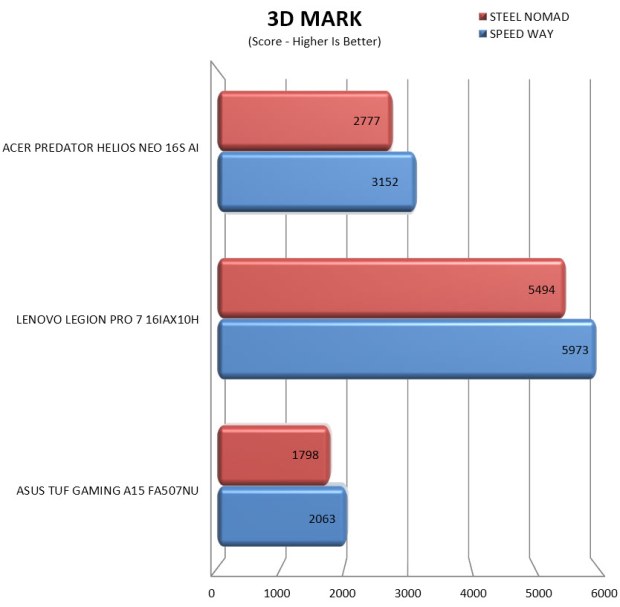
TEST RESULTS - 3D MARK / PROCYON
TEST RESULTS - GEEKBENCH 6 / GEEKBENCH AI
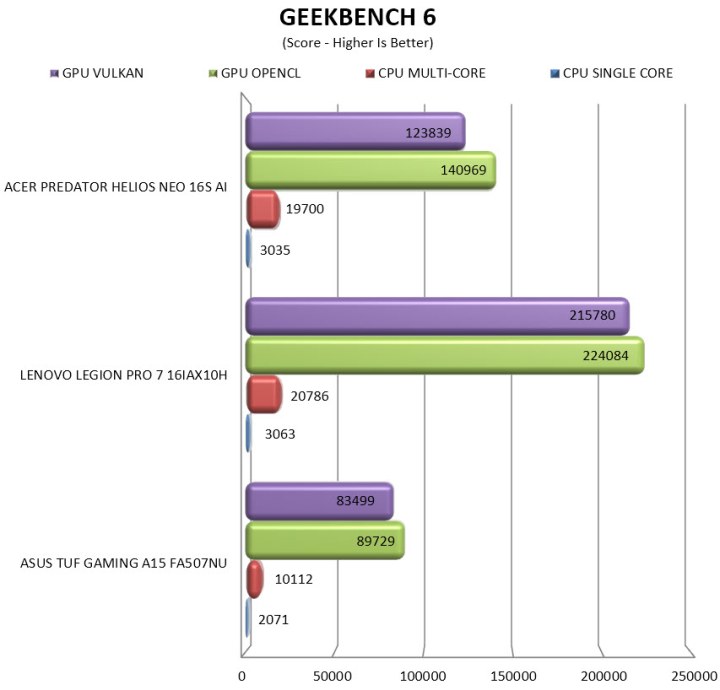
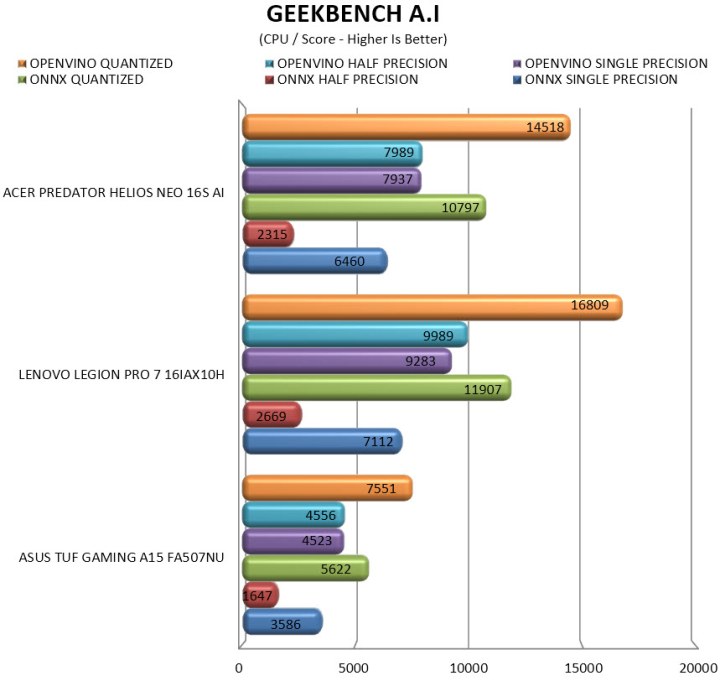
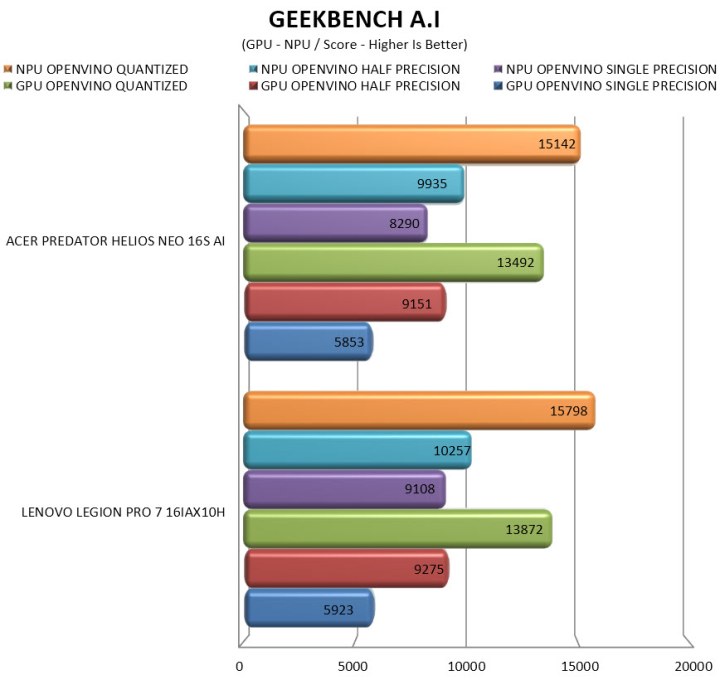
TEST RESULTS - CINEBENCH 2026 / PERFORMANCE TEST
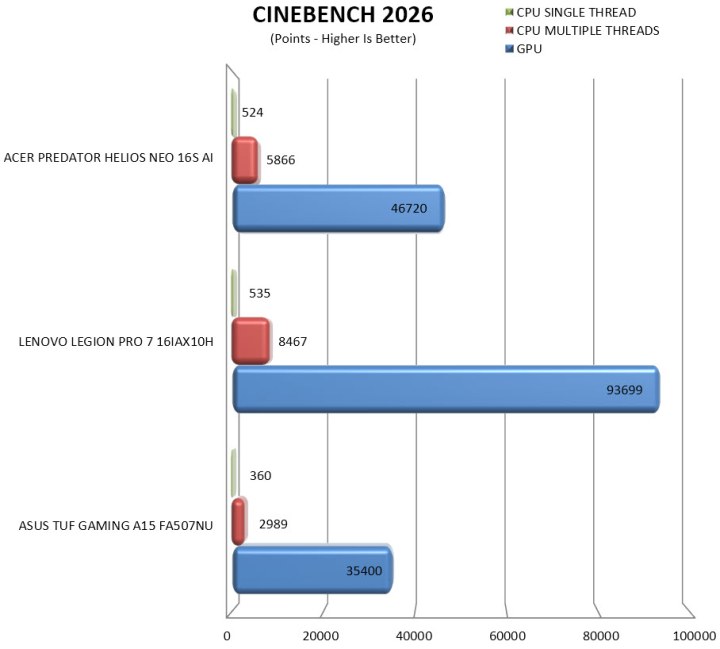
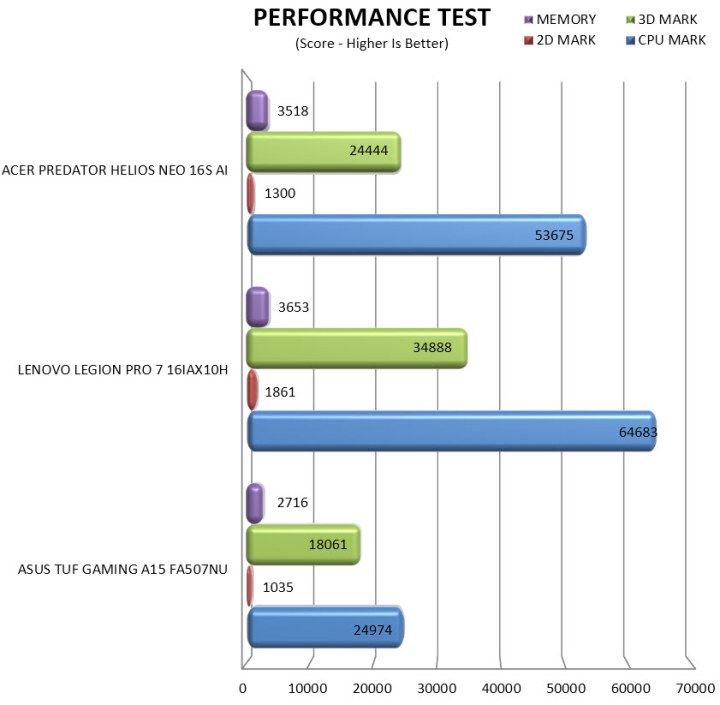
TEST RESULTS - CYBERPUNK 2077: PHANTOM LIBERTY

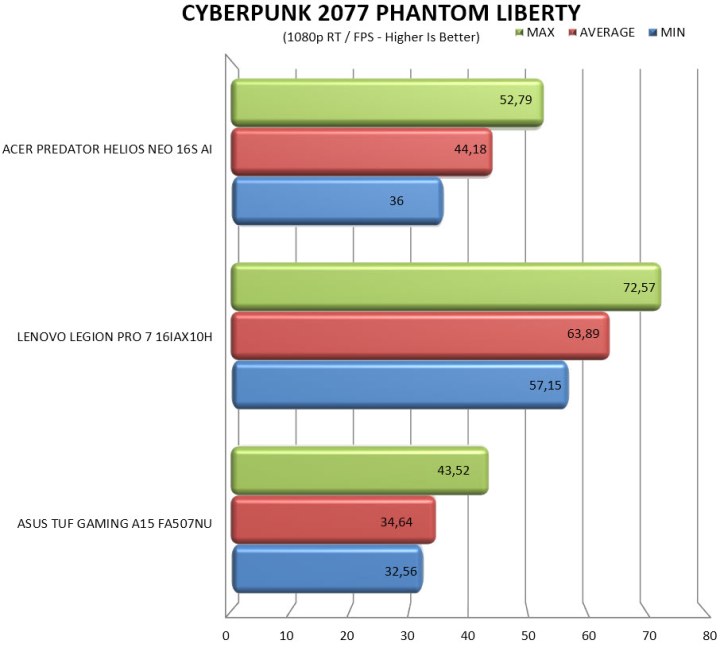
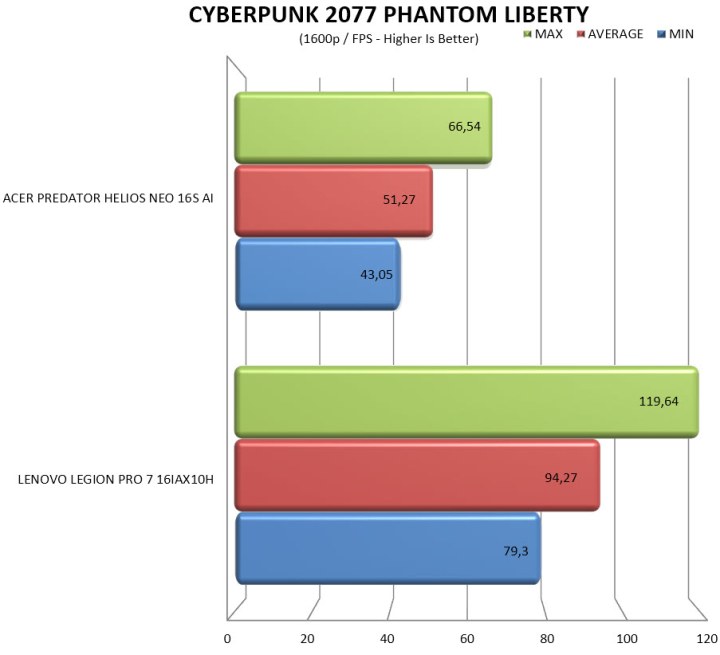

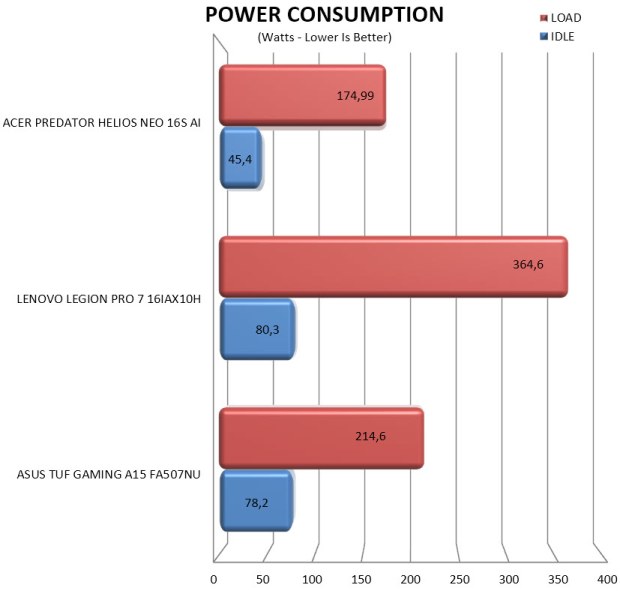
TEST RESULTS - POWER CONSUMPTION / BATTERY LIFE / NOISE LEVELS
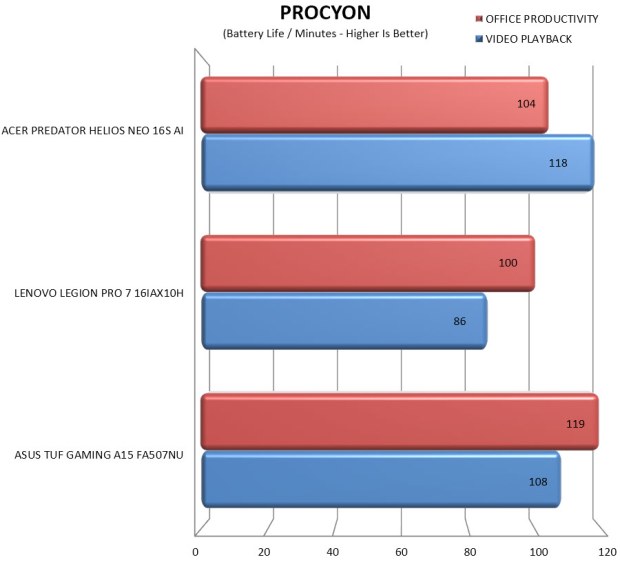
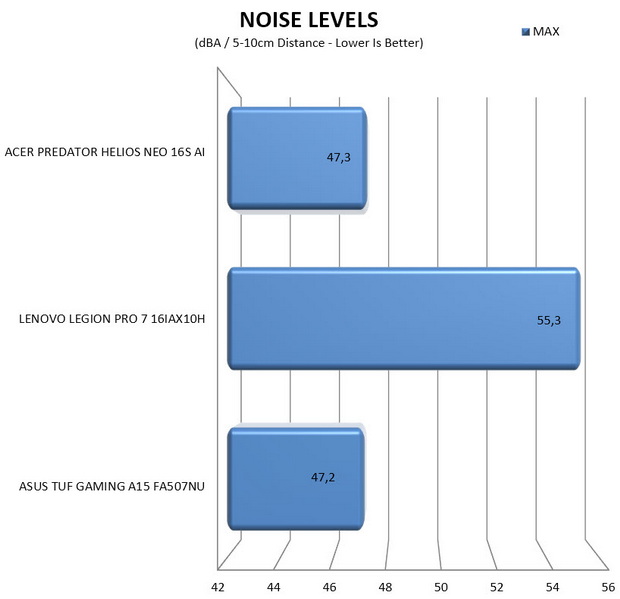
TEST RESULTS - THERMALS
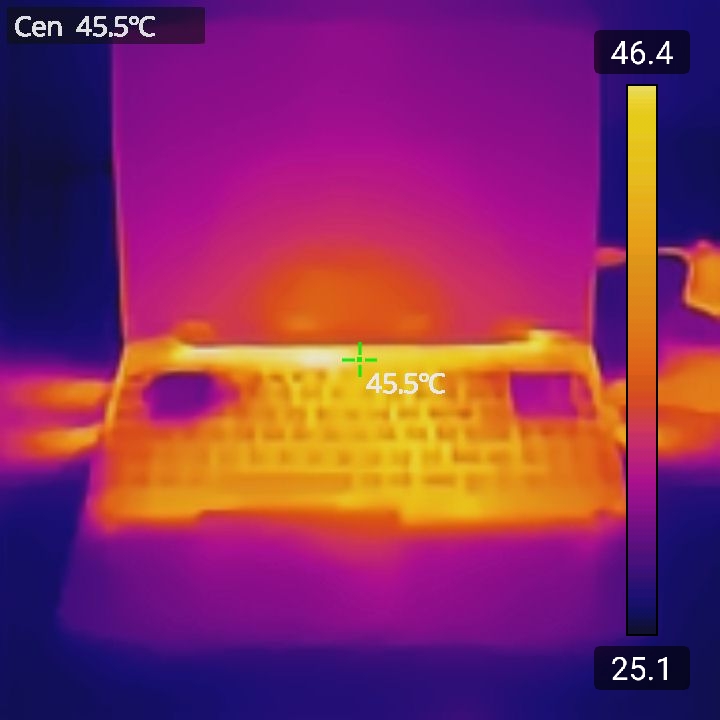
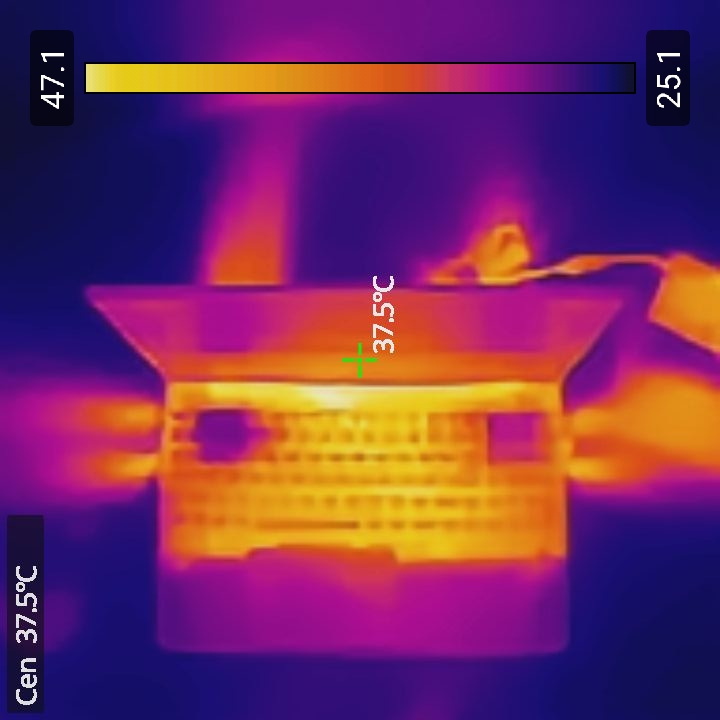
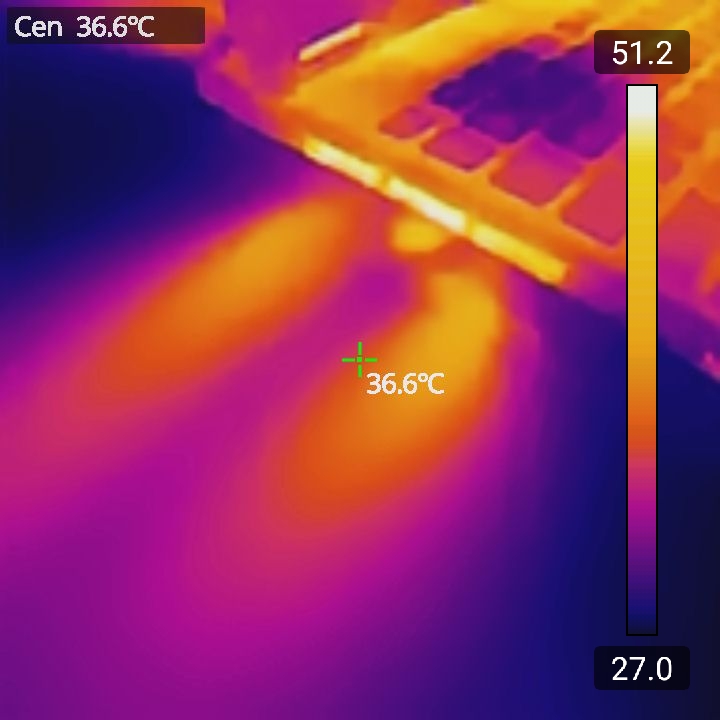
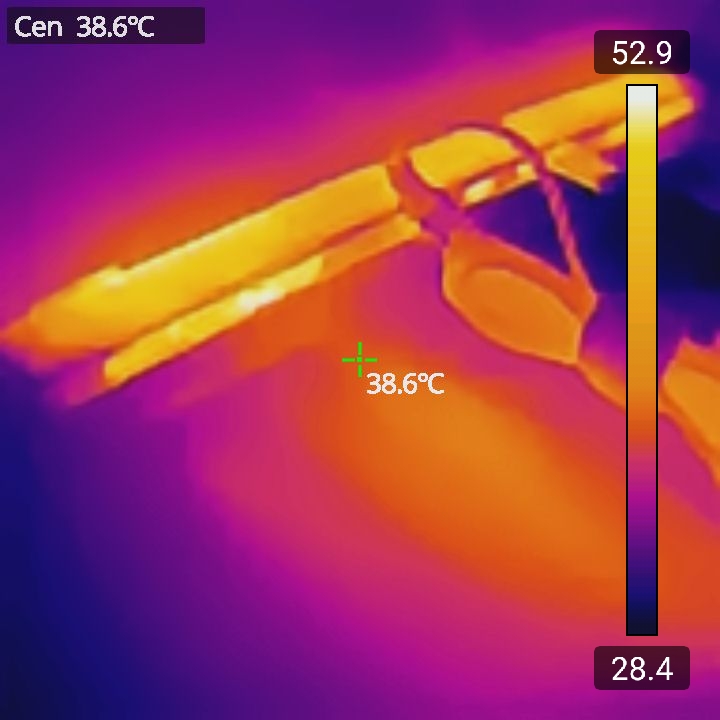
Unlike past gaming laptops by Acer the Helios Neo 16S AI features a significant upgrade when it comes to its cooling system. Thanks to thermal imaging we can see that the Helios Neo 16S AI has a total of 3 blower fans that work well, 1 on each side and 1 at the rear (so it comes with a quite capable cooling system).
CONCLUSION
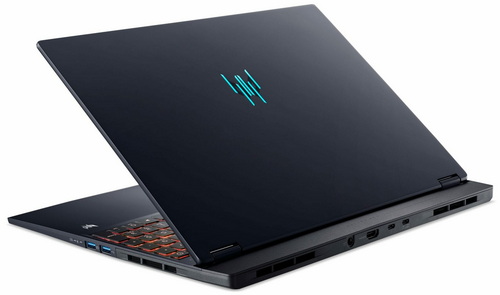
Looking at the Predator Helios Neo 16S AI as a whole, it’s clear that Acer has built a laptop with a strong foundation. The chassis size feels appropriate for the hardware inside, the 16-inch 240Hz OLED display adds real visual depth, and the cooling system keeps the Ultra 9 + RTX 5070 combination performing reliably under load (with minimal power consumption). It’s a machine that handles gaming, productivity, and multitasking with confidence. But there are caveats worth noting. The rear‑mounted connectors aren’t ideal for everyday convenience while ray‑traced gaming pushes the GPU harder than expected, unless DLSS is involved. The display testing situation also deserves mention. While calibration was possible by manually selecting the panel type, the SpyderUtility’s display analysis module failed to detect that this was an OLED panel, meaning I couldn't properly test it. This isn’t the first time this has happened, the same exact issue occurred with the Lenovo Legion Pro 7 I reviewed previously, but unlike that case where a BIOS update resolved the detection problem here, even after updating to the latest BIOS, the OLED panel still wasn’t recognized. Add to that Acer’s confusing decision to mix IPS and OLED under the same model name, and buyers will need to pay close attention to the exact SKU. Even with these quirks however, this configuration stands out as a capable, well‑balanced machine with a genuinely impressive display.
Currently the Acer Predator Helios Neo 16S AI model I reviewed today (Intel Core Ultra 9 275HX, 2TB M.2 Gen4 SSD, 32GB DDR5 RAM, GeForce RTX 5070, 16” OLED) retails for around 2100Euros inside the EU (was unable to locate the exact same model specs in the USA) and so it’s priced more or less properly for one such gaming model. At the end of the day this Predator Helios Neo 16S AI gaming laptop may not be the top model by Acer (far from it) but it does deliver very good overall performance along with one of the best OLED screens I’ve seen used on a laptop so the Golden Award is obviously in order.

PROS
- Build Quality
- Very Good Performance
- 240Hz OLED Display
- Cooling Efficiency
- Size / Weight
- Connectivity (TB4/2xUSBC/3xUSBA/HDMI v2.1/5G LAN/WiFi6E/Bluetooth v5.4)
- 1080p Webcam
- Overall Power Consumption
- RGB Lighting
PROS
- Model Available With IPS & OLED Screen
- Raytrace Gaming Performance (1600p)
- USA Availability