

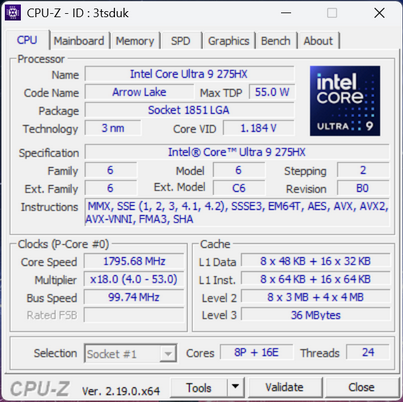
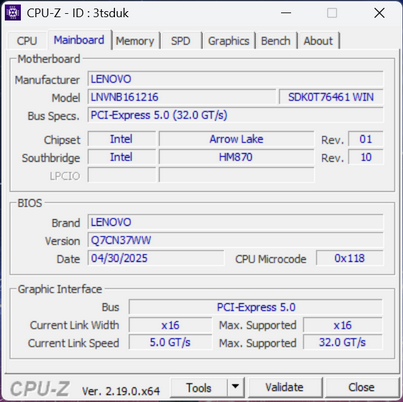
TEST BED
TESTING METHODOLOGY
To ensure consistency and reproducibility across all laptop evaluations, each will undergo a structured, multi‑stage testing process. Performance is assessed using a diverse suite of industry‑standard benchmarks including 3DMark (Speed Way, Steel Nomad, CPU Profile), UL Procyon (AI Computer Vision 2.0, AI Image Generation, AI Text Generation, Office Productivity – laptops with VRAM under 8GB are unable to complete all tests -, Battery Life – maximum screen brightness, high performance power plan), Cinebench 2026, PassMark Performance Test 11, Geekbench AI (non-NPU laptops can’t complete all tests), Geekbench 6, and Cyberpunk 2077: Phantom Liberty (1080p & native resolution - if applicable - ultra graphics, with and without RT enabled).
All display testing begins with a full calibration process using the Datacolor Spyder Pro. This ensures that subsequent measurements like gamut coverage, brightness levels, and overall panel accuracy are taken from a standardized baseline. Acoustic output under load is captured using the ExTech HD600 sound meter, external thermal behavior both in idle and sustained load is documented with thermal imaging systems from FossiBot and as for power consumption it's monitored through an AVM FRITZ!DECT 210 smart plug paired with an APC BR1600SI UPS, enabling precise idle and load measurements.